Common Purchasing Errors in Farmers Market Produce
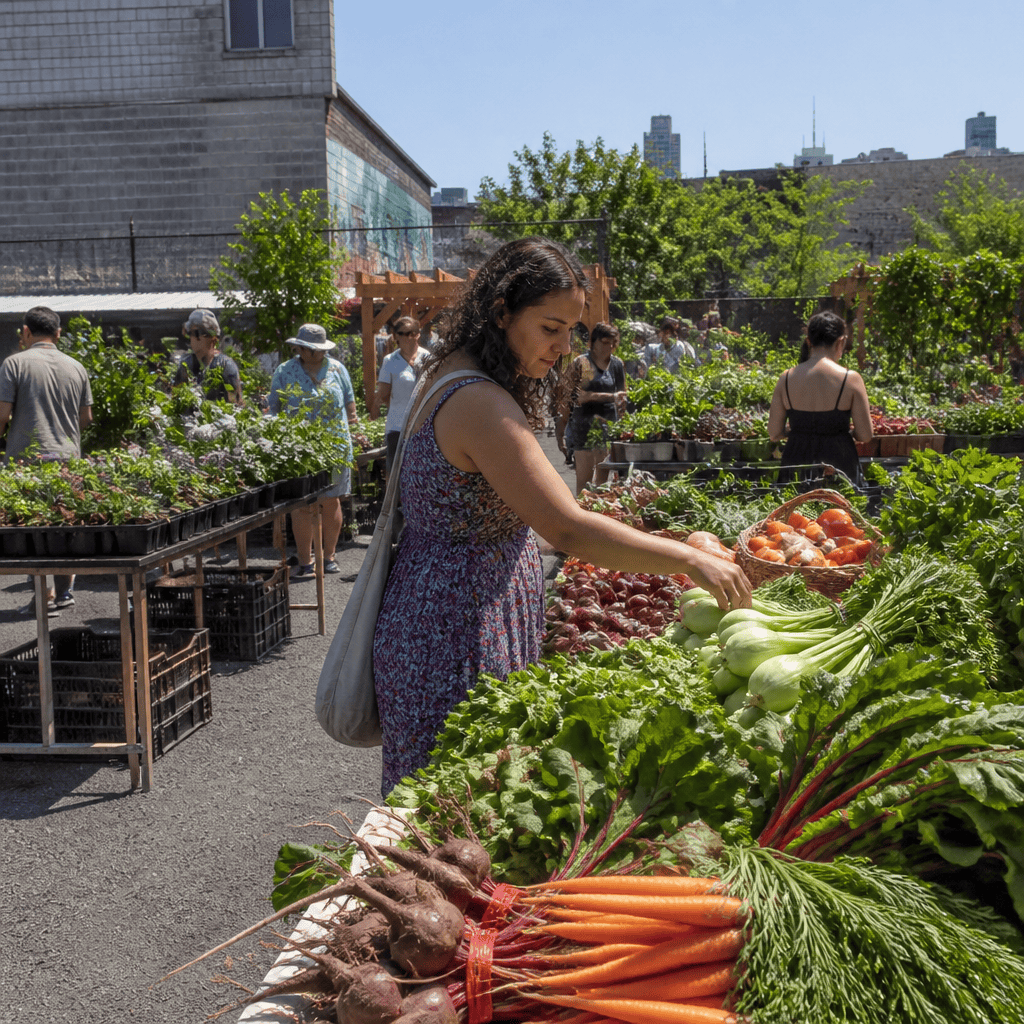
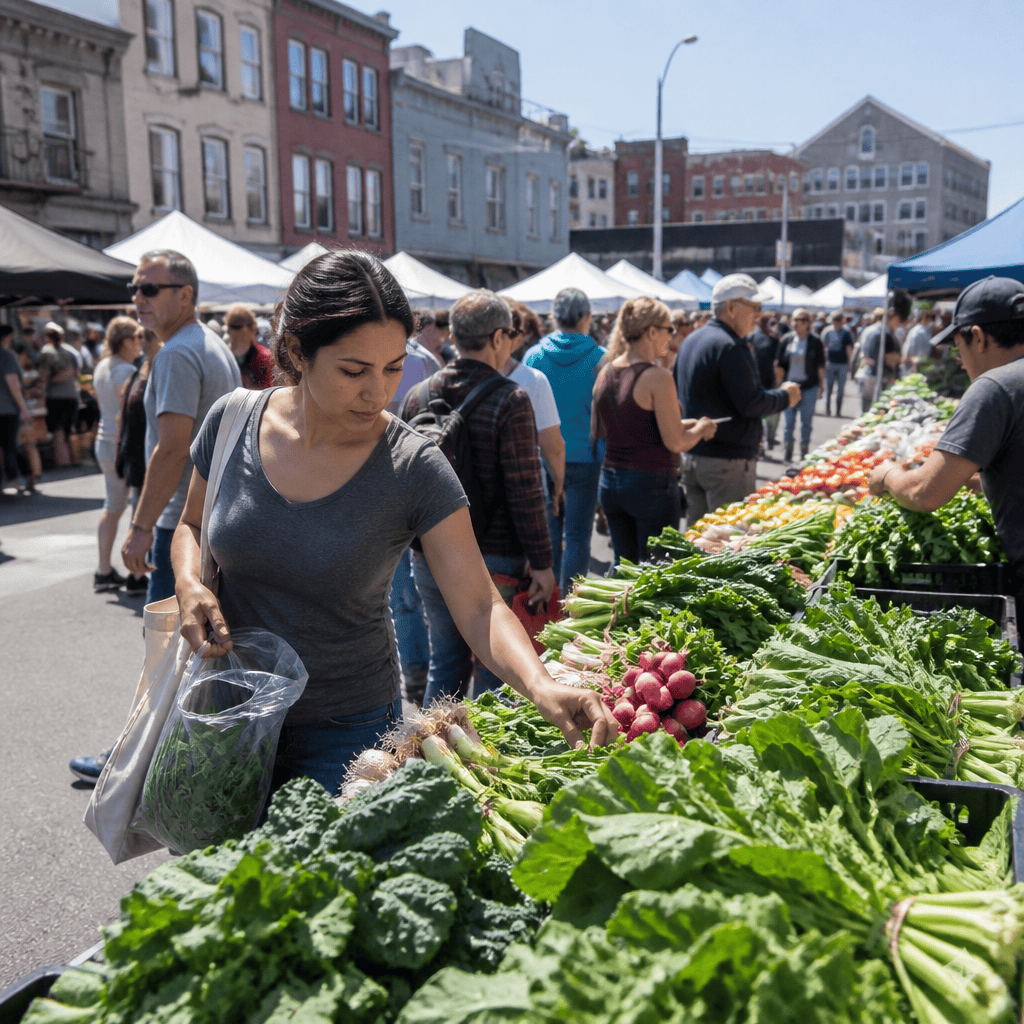
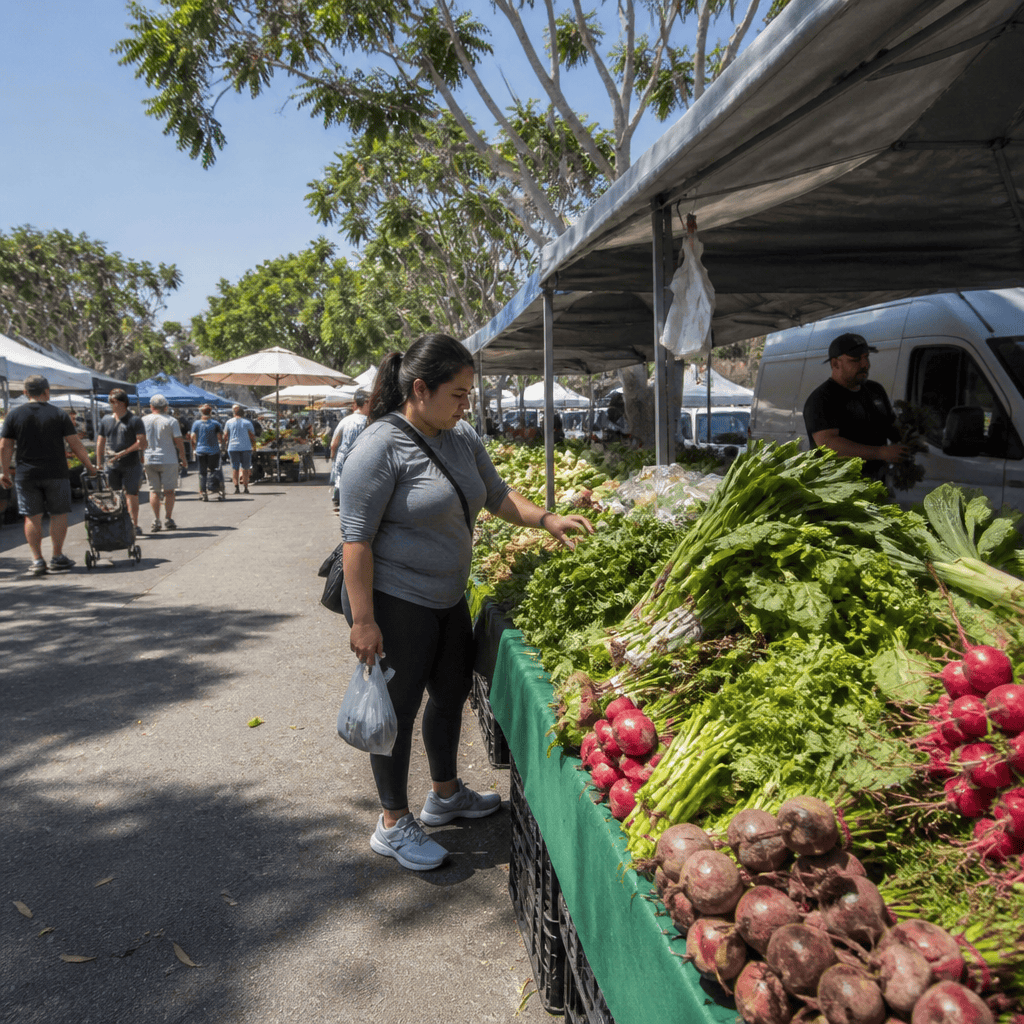
Farmers markets provide a unique opportunity to access fresh, locally grown produce, often touted for higher nutritional value and better taste compared to supermarket alternatives. However, shoppers frequently make mistakes when purchasing produce at these markets that can lead to wasted money and spoiled food. According to the United States Department of Agriculture (USDA), nearly 30-40% of food produced in the United States is wasted annually, with improper handling and storage of fresh produce being significant contributors. This article explores common errors in purchasing and handling farmers market produce, including overbuying, misunderstanding freshness indicators, and improper storage, alongside strategies to prevent spoilage and maximize value. The discussion will analyze key characteristics of farmers market produce, the implications of consumer behaviors, and practical recommendations to reduce waste and financial loss.
Overbuying at Farmers Markets and its Financial Impact
Overbuying refers to purchasing more produce than one can realistically consume within its shelf life. Dr. Elizabeth Henderson, a sustainable agriculture expert, defines overbuying in this context as “the common consumer tendency to purchase large quantities without accounting for perishability, leading to inefficient use and increased food waste.” Farmers market produce often comes in bulk or bundles, which can mislead buyers to purchase more at once, anticipating cost savings or better quality.
Key statistics from an Environmental Protection Agency (EPA) report reveal that consumers waste approximately $1,500 worth of food annually, largely due to overbuying and poor meal planning. At farmers markets, the price per unit of produce can be higher compared to supermarkets, magnifying the monetary loss when produce spoils. Hyponyms relevant to overbuying include “bulk buying errors” and “impulse purchases,” which exacerbate this issue by encouraging quantity over necessity.
Impulse Buying and Bulk Purchase Mistakes
Impulse buying occurs when consumers purchase items without prior planning, often influenced by vendor displays or promotional tactics. Bulk purchase mistakes happen when customers assume larger quantities equate to better deals or longer-term availability. Research from the Food Waste Reduction Alliance highlights that approximately 70% of consumer food waste starts with such unplanned purchases, especially at venues encouraging sensory engagement like farmers markets.
Economic Consequences of Overbuying
Financial impacts from overbuying extend beyond immediate spending. When produce spoils, the cost is not only the lost food value but also the environmental expense related to production, transportation, and disposal. The Natural Resources Defense Council (NRDC) estimated that wasted food results in $218 billion in economic losses annually in the U.S., underscoring the importance of mindful purchasing at farmers markets.
Misjudging Freshness Indicators in Farmers Market Produce
Freshness is a critical attribute of farmers market produce and is defined by Dr. Mark Miller, a postharvest physiologist, as “the period during which produce maintains optimal texture, flavor, and nutritional quality after harvest.” Consumers often misinterpret freshness indicators, such as color and firmness, leading to the selection of produce that spoils prematurely. Key freshness characteristics vary by crop type but generally include appearance, aroma, and firmness.
Hyponyms related to freshness indicators include visual cues (e.g., vibrant color), tactile cues (e.g., resistance to pressure), and olfactory cues (e.g., absence of off-odors). A 2022 study by Cornell University found that 45% of consumers incorrectly assess ripeness on-site, resulting in early spoilage at home.
Visual and Tactile Freshness Cues
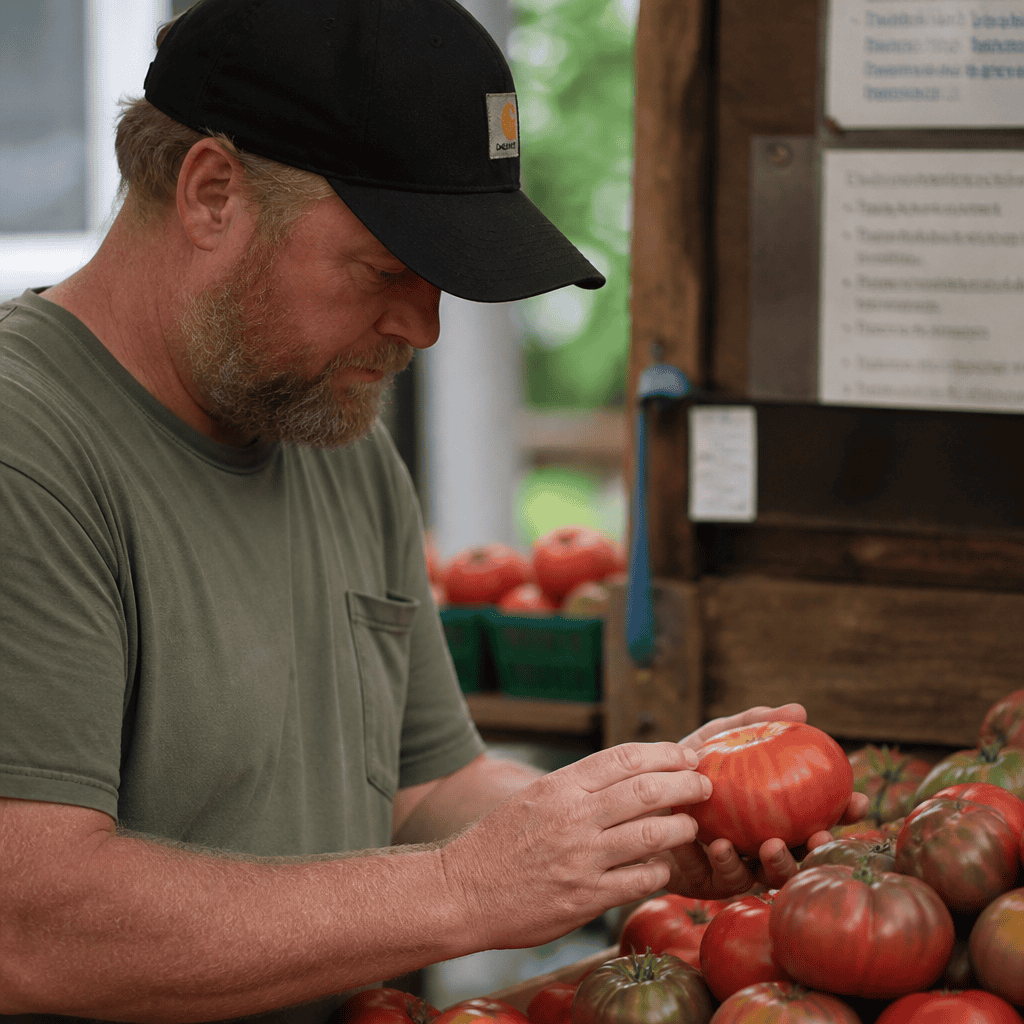
Visual cues involve examining color uniformity, absence of blemishes, and lack of shriveling. Tactile cues require gently squeezing or feeling produce firmness; overly soft or mushy items often indicate overripeness or decay. Consumers unfamiliar with specific crop characteristics are prone to misjudgments, especially with heirloom varieties common at farmers markets.
Training and Education to Improve Freshness Assessment
Educational interventions, such as vendor guidance and informational signage, improve consumer accuracy in selecting fresh produce. According to a University of California Cooperative Extension report, providing shoppers with sensory guidance reduces spoilage rates by up to 20%.
Improper Storage Practices Leading to Spoiled Farmers Market Produce
Storage refers to the conditions under which produce is kept post-purchase to maintain freshness and prevent spoilage. The USDA defines proper storage as “storing fresh fruits and vegetables at temperatures and humidity levels appropriate to their physiological needs to extend shelf life.” Farmers market produce often lacks the extended cold chain typical of supermarkets, increasing the risk of spoilage if not stored properly at home.
Hyponyms include refrigeration, temperature control, humidity regulation, and ethylene-sensitive storage. The Produce Marketing Association (PMA) reports that improper storage accounts for nearly 50% of post-purchase spoilage in fresh produce.
Temperature and Humidity Requirements for Common Produce
Leafy greens, berries, and herbs generally require refrigeration at 32-40°F with high humidity, whereas tomatoes and potatoes fare better at room temperature to preserve texture and flavor. Consumers unaware of these distinctions inadvertently accelerate spoilage.
Ethylene Sensitivity and Cross-Contamination
Ethylene gas emitted by certain fruits (e.g., apples, bananas) accelerates ripening and decay of nearby ethylene-sensitive produce such as leafy greens and cucumbers. Separation and proper packaging can mitigate premature spoilage, a practice often overlooked by farmers market shoppers.
Strategies to Minimize Waste and Maximize Value in Farmers Market Produce Purchases
Addressing common mistakes in purchasing and handling farmers market produce requires a multi-faceted approach. Experts like Dr. Jennifer Tucker, a food sustainability researcher, emphasize pre-shopping planning, sensory education, and correct storage as pillars for reducing waste. Incorporating these strategies can significantly decrease food loss and financial waste.
Pre-Shopping Planning Based on Consumption Needs
Planning meals and estimating quantities based on household size and consumption frequency prevents overbuying. Apps and meal planners that track inventory help consumers make informed decisions.
On-Site Freshness Evaluation and Vendor Dialogue
Engaging vendors for advice on freshness and shelf life improves selection accuracy. Vendors often have detailed knowledge of their produce and can provide storage tips.
Proper Storage Techniques Post-Purchase
Applying crop-specific storage protocols, such as refrigeration timing and ethylene separation, extends produce longevity and reduces waste.
[Insert graph here: “Typical Shelf Life of Common Farmers Market Produce by Storage Method”]
Conclusion
In summary, mistakes such as overbuying, misjudging freshness, and improper storage are critical factors leading to wasted money and spoiled food at farmers markets. Understanding these factors through the lens of purchasing errors, freshness indicators, and storage requirements facilitates better consumer practices. Reducing waste not only conserves financial resources but also contributes to environmental sustainability by minimizing resource-intensive food loss. To optimize benefits from farmers market produce, consumers should adopt informed planning, engage with vendors for freshness validation, and apply proper storage techniques. For further action, readers are encouraged to explore resources from the USDA, EPA, and cooperative extension services that offer practical guidance on food waste reduction and produce handling.