Common Purchasing Mistakes at Farmers Markets
Farmers markets serve as vital hubs where consumers access fresh, locally grown produce directly from farmers. These markets not only support local economies but also offer seasonal, often organic fruits and vegetables. However, despite their many benefits, shoppers frequently make mistakes when purchasing produce at farmers markets that lead to wasted money and spoiled food. According to the United States Department of Agriculture (USDA), nearly 30-40% of food in the U.S. is wasted annually, with improper purchasing and storage habits being major contributors. This article explores common purchasing errors at farmers markets, such as buying in excess, misjudging ripeness, or lacking knowledge of proper storage, and provides guidance to help consumers make smarter choices. Sections will cover the pitfalls of quantity over quality, misunderstandings about freshness, and the importance of proper handling and storage techniques to extend produce shelf life.
Excessive Quantity Purchases at Farmers Markets
Excessive quantity purchases refer to the common consumer behavior of buying more produce than can be realistically consumed before spoilage. Dr. Emily Broad Leib of Harvard Law School, an expert on food waste reduction, defines this as a “purchasing imbalance” that directly contributes to food waste and economic loss for both consumers and vendors. Key characteristics include impulse buying influenced by attractive pricing or vendor encouragement and lack of meal planning.
Statistics from the Natural Resources Defense Council (NRDC) indicate that over 40% of fruits and vegetables purchased globally are thrown away due to spoilage, which is often the direct result of buying excessive quantities without considering consumption rates. Hyponyms of this purchasing mistake include bulk buying without preservation plans and ignoring realistic meal portion needs.
Understanding this mistake sets the stage for exploring other related misjudgments regarding freshness and storage, which also exacerbate food waste at farmers markets.
Impulse Purchases and Overbuying
Impulse purchases occur when shoppers are persuaded by eye-catching displays or seasonal abundance to buy items beyond their needs. This behavior is often triggered by limited-availability cues and the desire to support farmers, but it frequently results in excess produce that spoils. A 2018 survey by the Food Marketing Institute noted that 57% of shoppers at farmers markets purchased more than planned due to vendor promotions.
Lack of Meal Planning and Portion Estimation
Many consumers do not plan meals prior to shopping at farmers markets, leading to inaccurate portion estimates. This lack of forethought causes accumulation of surplus produce, especially perishable leafy greens, berries, and herbs. A 2020 USDA report highlights that proper meal planning can reduce food waste by up to 20%, emphasizing the need for shoppers to align purchases with realistic consumption.
Misjudging Ripeness and Freshness of Produce
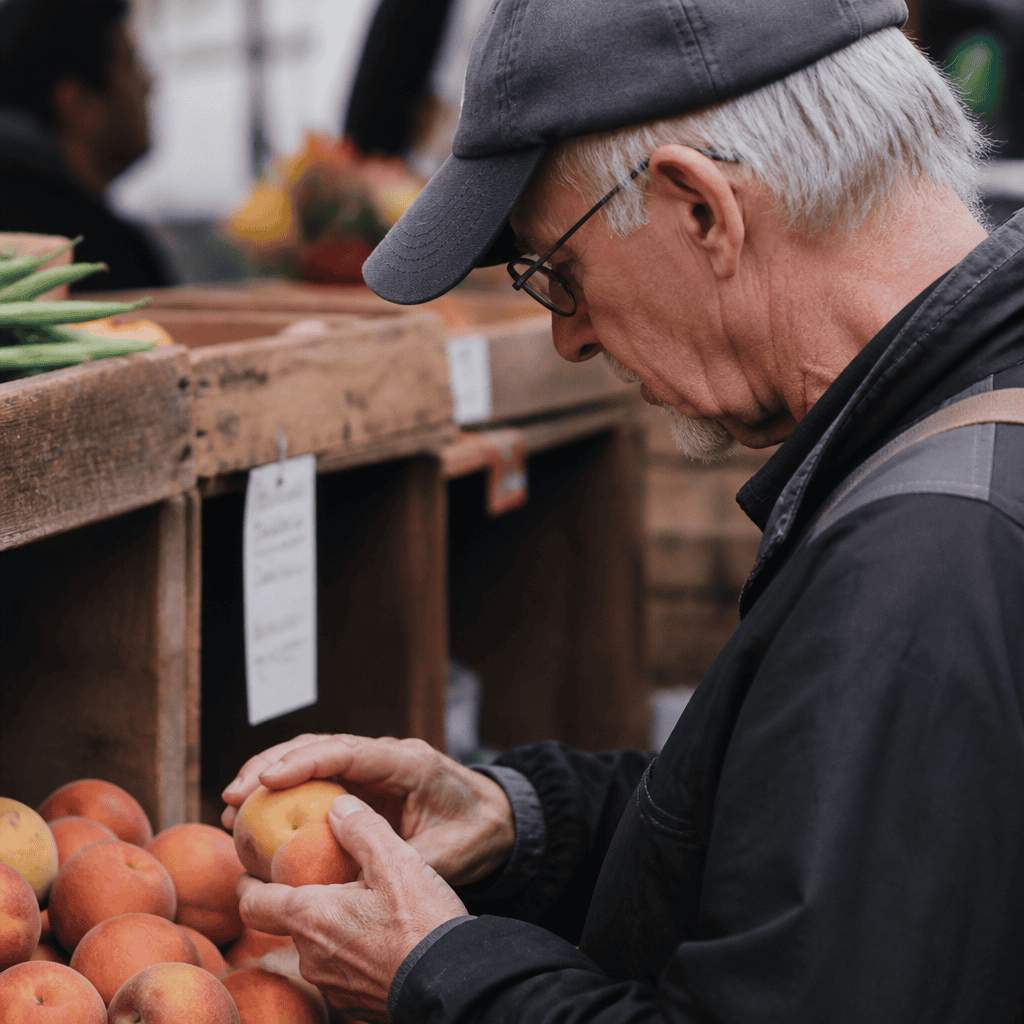
Misjudging ripeness involves inaccurately assessing when fruit or vegetables have reached optimal maturity, leading to premature spoilage or consumption of subpar quality produce. Dr. Linda J. Harris, a food microbiologist at the University of California, Davis, describes freshness as “a combination of sensory qualities and biochemical parameters that indicate optimal consumption time.”
Key characteristics include confusing firmness with ripeness, misunderstanding color cues, and disregarding seasonal indicators. According to Produce for Better Health Foundation, 25% of produce waste arises from consumers discarding items thought to be spoiled prematurely.
Hyponyms include premature harvesting misconceptions, overripe produce confusion, and improper selection based on appearance alone. Addressing these mistakes naturally leads to recommendations on proper storage to maximize freshness post-purchase.
Firmness vs. Ripeness in Fruits
Many shoppers mistake firmness for under-ripeness, especially in stone fruits like peaches and plums. However, fruits like avocados and tomatoes soften as they ripen, signaling readiness to eat. The National Retail Federation (NRF) advises consumers to gently press produce to assess ripeness rather than relying solely on visual inspection.
Color Indicators and Seasonal Variability
Color is often used as a freshness indicator, but seasonal variability can cause color changes unrelated to ripeness. For example, heirloom tomatoes come in diverse hues that are not always linked to maturity. A 2019 University of Florida study recommends combining color cues with scent and texture for accurate ripeness evaluation.
Improper Storage Practices After Purchasing Produce
Improper storage refers to the failure to maintain optimal environmental conditions for produce post-purchase, leading to accelerated spoilage. The United States Food and Drug Administration (FDA) defines safe storage as “the maintenance of appropriate temperature, humidity, and packaging to extend shelf life and prevent contamination.”
Key characteristics include exposing produce to excessive moisture, heat, or improper airflow. Nearly 60% of fruits and vegetables spoil due to poor storage at home as reported by the Environmental Protection Agency (EPA). Hyponyms consist of inadequate refrigeration, improper washing before storage, and ignoring ethylene gas effects.
Understanding storage nuances complements awareness of purchasing size and ripeness, completing a holistic approach to reduce waste.
Temperature and Humidity Control
Most produce requires cool temperatures around 32°F to 40°F and controlled humidity to maintain freshness. Leafy greens thrive in high humidity, while onions and garlic deteriorate faster under moist conditions. The Food Safety and Inspection Service (FSIS) notes that incorrect temperature and humidity are among the top causes of spoilage.
Ethylene Gas Sensitivity
Certain fruits, such as apples, bananas, and tomatoes, emit ethylene gas, which accelerates ripening and spoilage of nearby sensitive produce like leafy greens and cucumbers. Storing ethylene producers separately can extend the lifespan of mixed produce batches. Research published in the Journal of Food Science confirms that ethylene management can reduce spoilage by up to 25%.
Conclusion: Reducing Waste through Informed Farmers Market Purchases
In summary, avoiding excessive quantity purchases, accurately judging ripeness and freshness, and employing proper storage techniques are critical to minimizing wasted money and spoiled food from farmers market produce. Addressing purchasing imbalances, understanding produce maturity indicators, and respecting storage requirements work synergistically to extend shelf life and reduce food waste. With nearly 40% of food wasted nationwide, small changes in buying and handling at farmers markets can have meaningful environmental and economic impacts. Consumers are encouraged to plan meals carefully, educate themselves on optimal produce characteristics, and adopt proper home storage practices. For further reading, sources such as the USDA’s Food Waste FAQs and the NRDC’s consumer food-waste guides offer practical tips for sustainable purchasing habits.