Farmers market produce is fresh when it is recently harvested, properly handled, and still shows the natural color, firmness, aroma, and texture expected for that crop. The most useful checks are to inspect leaves and stems, feel for sound texture without squeezing, smell ripe fruit, and ask the grower when and how the produce was picked. The U.S. Food and Drug Administration (FDA) advises consumers to choose produce that is not bruised or damaged and to keep cut or perishable items cold. Because freshness varies by crop—and appearance alone cannot establish food safety—these checks work best alongside sensible washing, storage, and questions about harvest timing.
Freshness indicators for farmers market produce
Freshness describes how recently produce was harvested and how well it has retained desirable qualities such as crispness, flavor, and moisture. The U.S. Department of Agriculture (USDA) explains that produce quality depends on factors including maturity, handling, and storage. A farmers market may offer very recently harvested food, but “local” or “organic” does not by itself guarantee that an item is fresh; time, temperature, and handling still matter.
Freshness is not a single visible trait. It is better judged through several crop-appropriate cues—appearance, texture, aroma, and the seller’s harvest information—rather than by relying on color or a “just picked” claim alone.
Appearance: color, leaves, stems, and surface
Appearance is the first screening check. Look for the color and shape typical of the variety, intact skins, and leaves that are reasonably crisp rather than extensively wilted or yellowed. Avoid produce with spreading mold, leaking liquid, deep cuts, or large soft bruises. A small blemish may be cosmetic and does not necessarily mean the food is spoiled; conversely, attractive produce is not proof that it was picked recently.
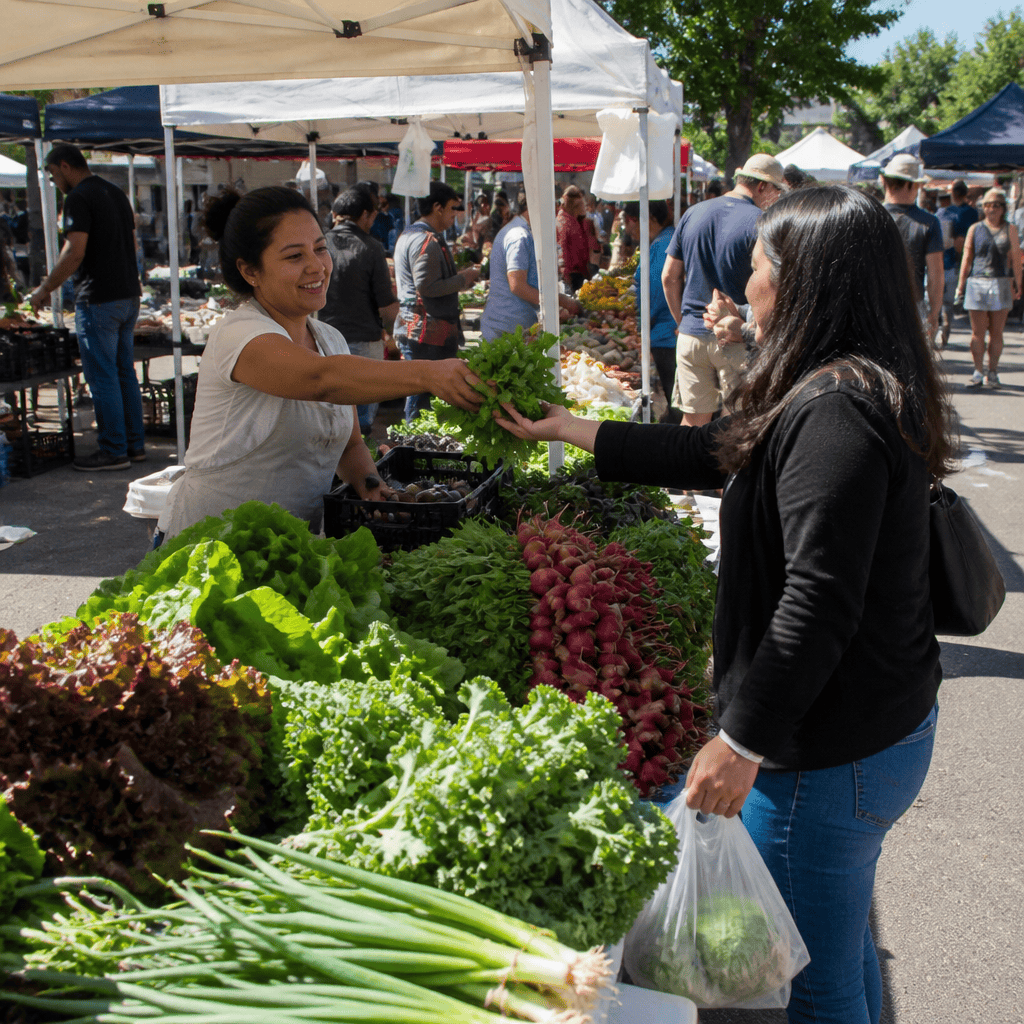
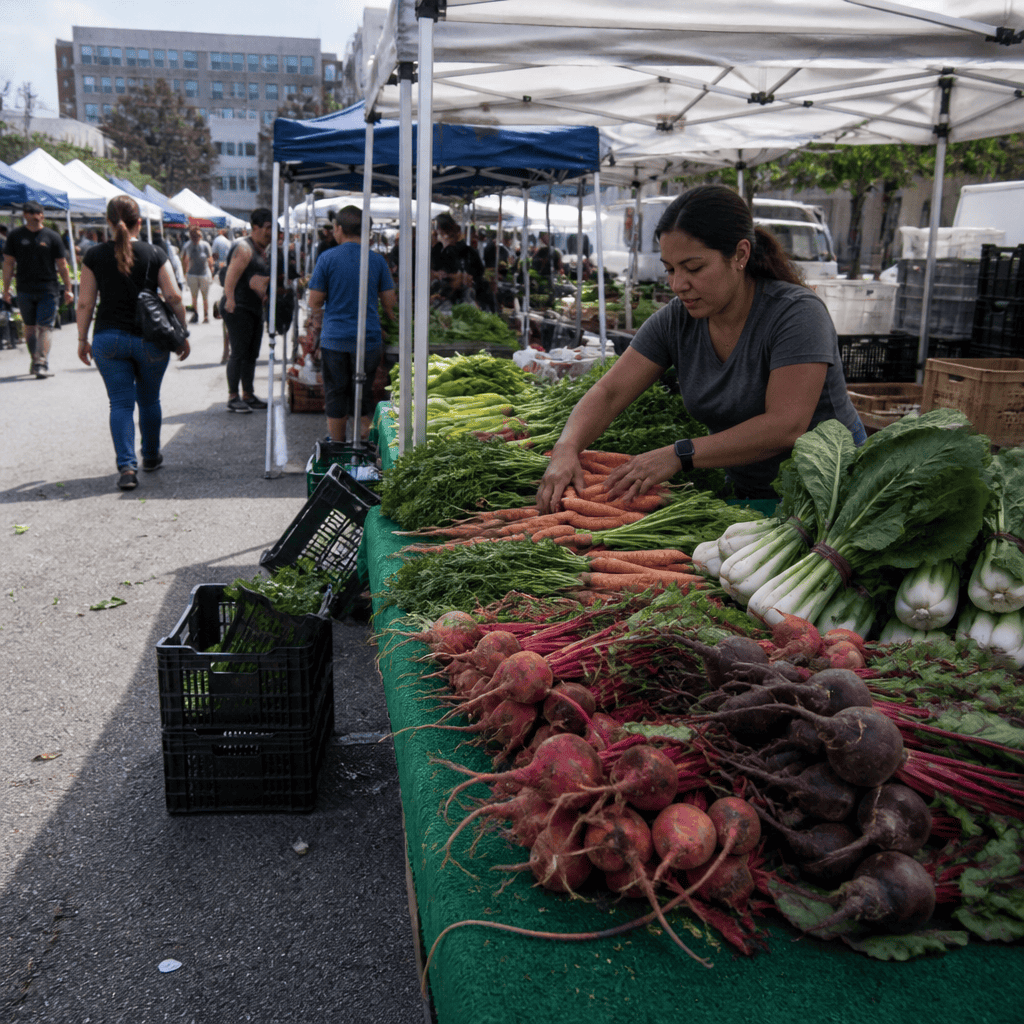
For leafy greens and herbs, inspect both the leaves and cut stems: fresh bunches generally look lively and hold their shape. For root vegetables, firm roots and sturdy greens can be useful clues, though greens may naturally be removed before sale. USDA produce guidance emphasizes choosing items that are not damaged and handling them carefully to limit bruising and deterioration.
Texture: firmness without squeezing
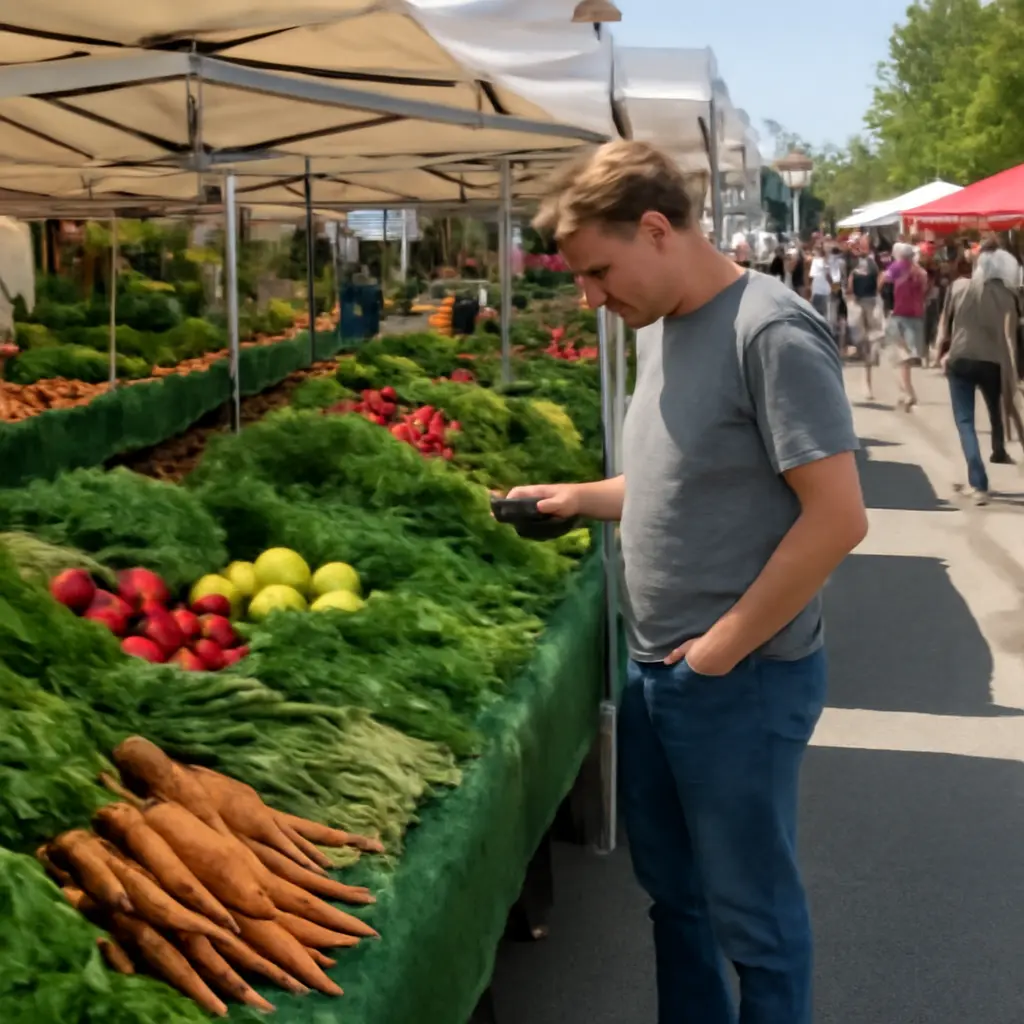
Texture refers to how a fruit or vegetable feels in relation to its normal ripe condition. Many apples, peppers, cucumbers, and summer squash should feel firm and substantial. A ripe peach or tomato, however, may yield slightly to gentle pressure; that can indicate ripeness rather than age. Use a light touch and avoid pressing repeatedly, which can bruise delicate items and reduce their keeping quality.
Texture is crop-specific, so compare like with like. A soft spot, collapsing structure, or mushy area is more concerning than a naturally tender ripe fruit. For produce sold in bags or baskets, examine the items you can see and ask the vendor about any hidden or unusually soft pieces.
Aroma and signs of ripeness
Aroma can help distinguish ripe, flavorful fruit from fruit that is underripe or deteriorating. Ripe melons, peaches, berries, and tomatoes may have a recognizable fresh, sweet, or characteristic scent. A sour, fermented, musty, or otherwise unpleasant odor can indicate damage or spoilage. Some crops have little smell even when fresh, so a weak aroma is not a reliable reason to reject every item.
Ripeness and freshness are related but different: a recently picked fruit may still need time to ripen, while a fully ripe fruit may be ready to eat but have a shorter storage life. Ask whether the crop is ready to eat now or is expected to ripen at home.
Crop-specific freshness checks for farmers market produce
Different produce types show age in different ways, so the most accurate assessment matches the check to the crop. These categories—leafy vegetables and herbs, fruiting crops, berries, and roots or bulbs—are practical examples of how freshness cues vary rather than a universal grading system.
Leafy greens and herbs
Fresh lettuce, spinach, kale, and herbs generally have leaves that look hydrated and hold their shape. Some slight wilting can often be corrected with chilling or hydration, but extensive yellowing, sliminess, or a sour smell suggests deterioration. Check bunches for crushed or wet leaves near the center, where damage may be less visible.
These crops can lose moisture quickly. The USDA’s FoodKeeper guidance recommends refrigeration for many fresh leafy vegetables and herbs, with storage times varying by product and condition. Buy delicate greens near the end of a market visit, keep them cool on the way home, and refrigerate them promptly.
Tomatoes, stone fruit, and melons
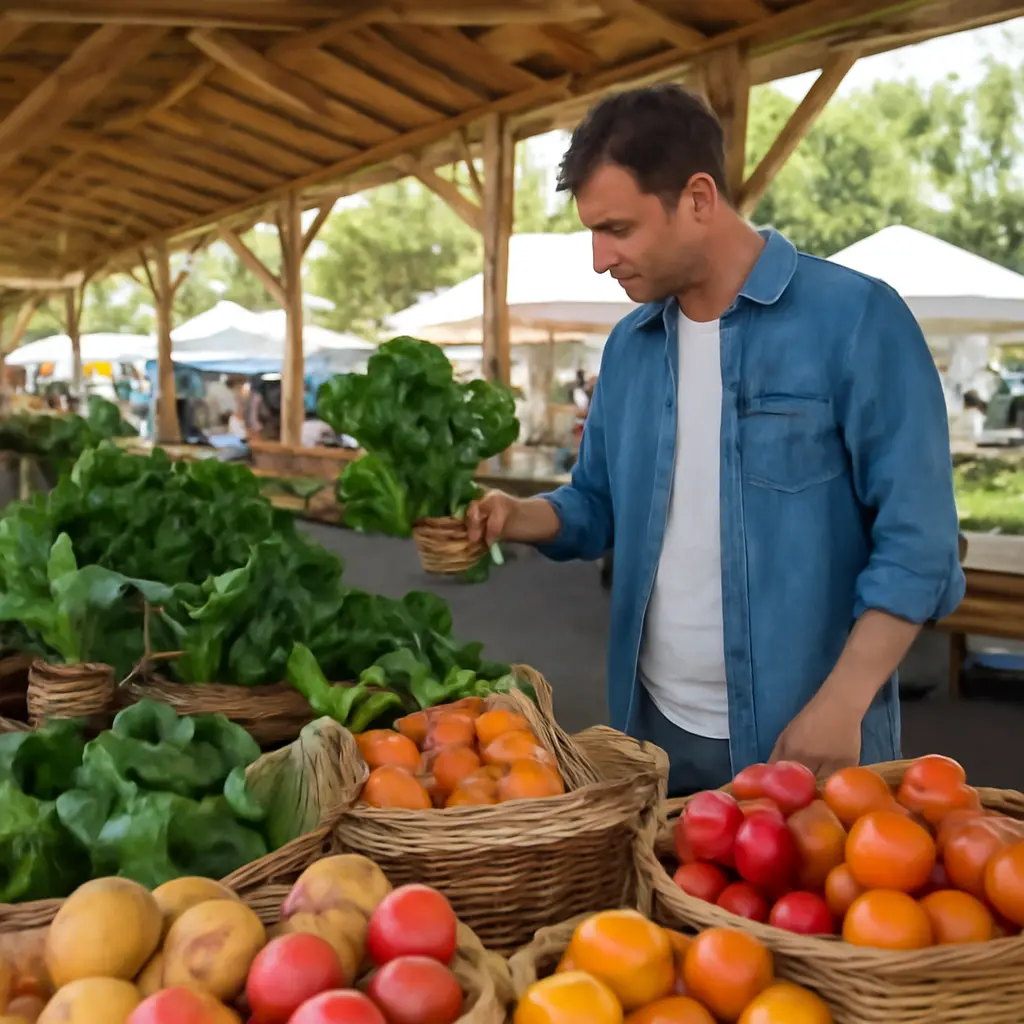
For tomatoes and stone fruit such as peaches and plums, look for sound skin and a natural yield to gentle pressure when ripe. Avoid deep bruises and leaking cracks. Tomatoes can be harvested at different stages of maturity, so ask the grower whether a firm fruit will ripen off the vine and how to store it for the best flavor.
For whole melons, check for an intact rind and no soft, wet, or moldy patches. A melon’s aroma and other ripeness signals vary by type; no single test reliably applies to every variety. Once melons are cut, food-safety guidance becomes especially important: the FDA recommends refrigerating cut produce promptly.
Berries and delicate fruit
Berries are fragile and can deteriorate quickly. Choose containers with dry, intact fruit and check the bottom for crushed berries, juice, or visible mold. A few damaged berries can affect neighboring fruit, so sort and remove them at home. Do not wash berries until you are ready to eat them, because extra moisture can encourage faster spoilage.
Berries may be picked close to sale, but harvest timing differs by farm and variety. Ask when they were picked and whether they have been kept cool. The National Center for Home Food Preservation notes that prompt, appropriate storage helps maintain the quality of perishable produce; refrigeration is generally useful for berries.
Root vegetables, onions, and potatoes
Carrots, beets, radishes, and similar roots should generally feel firm rather than rubbery or shriveled. For potatoes and onions, look for dry, intact skins without soft wet spots, extensive sprouting, or decay. Soil on a root vegetable is not, by itself, proof of freshness; it may simply reflect how it was harvested and prepared for sale.
Storage needs differ within this group. Potatoes and onions are often best kept in a cool, dry, well-ventilated place rather than stored together in a damp area, while some roots keep better refrigerated. Follow crop-specific storage advice from the seller or USDA FoodKeeper rather than applying one rule to all vegetables.
Harvest and handling questions that help verify freshness
A brief conversation with the grower can provide context that appearance cannot. Farmers market vendors may be the farmers themselves or other sellers, so ask who grew the crop when that information matters. The USDA’s National Farmers Market Directory helps shoppers locate markets, but market listings do not certify the harvest date or freshness of individual products.
Ask when it was picked and how it was stored
Useful questions include: “When was this harvested?”, “Is it ready to eat now?”, and “How should I store it?” A specific answer about the day or approximate harvest window is more informative than a general claim that produce is local. Also ask whether the item was kept chilled when appropriate and how long it is likely to keep.
Harvest timing alone is not a complete quality measure. Crop variety, maturity at picking, weather, and handling all affect flavor and shelf life. Treat the answer as one piece of evidence and compare it with the produce’s condition.
Consider seasonality and variety
Seasonality can help shoppers understand what is likely to be locally harvested at a particular time, but growing seasons vary with region, weather, and protected cultivation. A seasonal item may be freshly picked, stored from an earlier harvest, or brought in from elsewhere. Ask the vendor about its origin and harvest rather than assuming that the season alone proves freshness.
Varieties also differ naturally in color, shape, and firmness. Heirloom tomatoes, for example, can be irregularly shaped without being poor quality. Familiarity with the variety—or a quick question to the grower—helps prevent normal variation from being mistaken for damage.
Freshness, food safety, and storage are related but distinct
Freshness is primarily about quality, while food safety concerns whether food is safe to eat. A fresh-looking item is not guaranteed to be free of harmful microbes, and a harmless surface blemish does not automatically make produce unsafe. The FDA recommends washing produce under running water before preparing or eating it, including produce with skins that will be peeled, and advises against using soap or detergent.
Handle produce safely at home
Wash hands and clean preparation surfaces before handling produce. Rinse items under clean running water and use a clean produce brush for firm items when appropriate. Remove damaged or bruised areas before preparation, and keep raw produce separate from raw meat, poultry, and seafood to reduce cross-contamination.
Perishable produce, including cut fruit and vegetables, should be refrigerated promptly. The FDA advises consumers to refrigerate cut or peeled produce within two hours, or within one hour when the surrounding temperature is above 90°F (32°C). These time limits are food-safety guidance, not a way to judge how recently an item was harvested.
Use storage suited to the crop
Correct storage helps preserve quality after purchase. Refrigerate many leafy greens, berries, and cut items; keep some whole tomatoes, potatoes, and onions in conditions better suited to their crop. USDA FoodKeeper provides product-specific storage recommendations and typical quality windows, which can vary with temperature, packaging, and the condition of the food when purchased.
A useful market routine is to bring an insulated bag for heat-sensitive purchases, keep produce out of a hot vehicle, and put perishables away soon after arriving home. These steps protect both freshness and safe handling.
A practical market checklist
The following quick sequence combines visible checks with questions and handling precautions. It is a practical guide, not a laboratory test or a guarantee of safety.
- Check for crop-appropriate color, intact surfaces, and limited damage.
- Feel gently for the expected texture; do not squeeze delicate produce.
- Smell ripe fruit when aroma is a useful cue, and reject unpleasant or fermented odors.
- Inspect the bottom and center of containers for hidden bruising, moisture, or mold.
- Ask the grower when the crop was harvested, whether it is ripe, and how to store it.
- Keep delicate and cut produce cool, then wash under running water before eating or preparing it.
Conclusion: judge farmers market produce by more than appearance
The strongest signs of fresh farmers market produce are crop-appropriate appearance and texture, a clean natural aroma where relevant, and clear information about harvest and handling. Leafy greens, berries, fruiting crops, and roots each show freshness differently, so use the right checks for the item rather than one universal test. Remember that freshness and food safety are not the same: wash produce, refrigerate cut and perishable foods promptly, and follow storage guidance suited to each crop. At your next market visit, inspect carefully, ask the grower a few specific questions, and take home only what you can store well.
Sources: U.S. Food and Drug Administration, Selecting and Serving Produce Safely, https://www.fda.gov/consumers/consumer-updates/selecting-and-serving-produce-safely; U.S. Department of Agriculture, FoodKeeper App, https://www.foodsafety.gov/keep-food-safe/foodkeeper-app; U.S. Department of Agriculture, National Farmers Market Directory, https://www.ams.usda.gov/local-food-directories/farmersmarkets; National Center for Home Food Preservation, Storing Fresh Fruits and Vegetables for Better Taste, https://nchfp.uga.edu/how/store/store_home.html