Organic Farmers Market Produce and Its Role in Sustainable Agriculture
Organic farmers market produce refers to fruits, vegetables, herbs, and other crops cultivated without synthetic pesticides, fertilizers, or genetically modified organisms (GMOs), sold directly by farmers at local markets. This practice represents a critical shift toward sustainable agriculture by promoting environmentally friendly farming techniques, supporting local economies, and providing consumers with healthier food options. According to the Organic Trade Association, organic food sales in the United States reached $62 billion in 2022, illustrating the growing consumer demand for organic produce. This article explores how organic farmers market produce shapes sustainable agriculture through distinct characteristics, environmental benefits, economic impacts, and consumer influence.
Definition and Characteristics of Organic Farmers Market Produce
Organic farmers market produce is defined by strict certification standards that prohibit synthetic inputs and emphasize soil health, biodiversity, and ecological balance. The United States Department of Agriculture (USDA) defines organic agriculture as “an ecological production management system that promotes and enhances biodiversity, biological cycles, and soil biological activity.” Key characteristics of organic produce include the absence of chemical pesticides, reliance on crop rotation and natural pest control, and certification by accredited bodies such as USDA Organic or EU Organic labels.
Hyponyms under this attribute include certified organic vegetables, organic fruits, heirloom produce varieties, and organic herbs. Each type contributes to the overarching goals of sustainable agriculture by preserving genetic diversity and reducing chemical runoff.
Transitioning from this foundational definition, the discussion now focuses on the environmental and economic benefits of organic farmers market produce in sustainable agriculture.
Environmental Benefits of Organic Farmers Market Produce
Soil Health and Biodiversity Preservation
Organic farmers employ methods such as crop rotation, cover cropping, and composting to maintain and enhance soil fertility. Unlike conventional farming, which often relies on synthetic nitrogen fertilizers, organic practices increase soil organic matter, improving water retention and reducing erosion. Research published in the Journal of Environmental Management (2021) indicates that organic farms can have 20-30% higher soil microbial biomass compared to conventional farms, fostering a resilient soil ecosystem.
Reduction of Chemical Pollution
The absence of synthetic pesticides and herbicides in organic farming minimizes contamination of surrounding air, water, and non-target species. According to the Environmental Protection Agency (EPA), pesticide runoff from conventional agriculture is a significant contributor to water pollution, leading to dead zones and biodiversity loss. Organic farmers market produce mitigates these impacts through eco-friendly pest management.
These environmental benefits are closely linked to economic and social advantages presented by organic farmers market produce, which will be examined next.

Economic and Social Impact of Organic Farmers Market Produce
Supporting Local Economies and Farmers
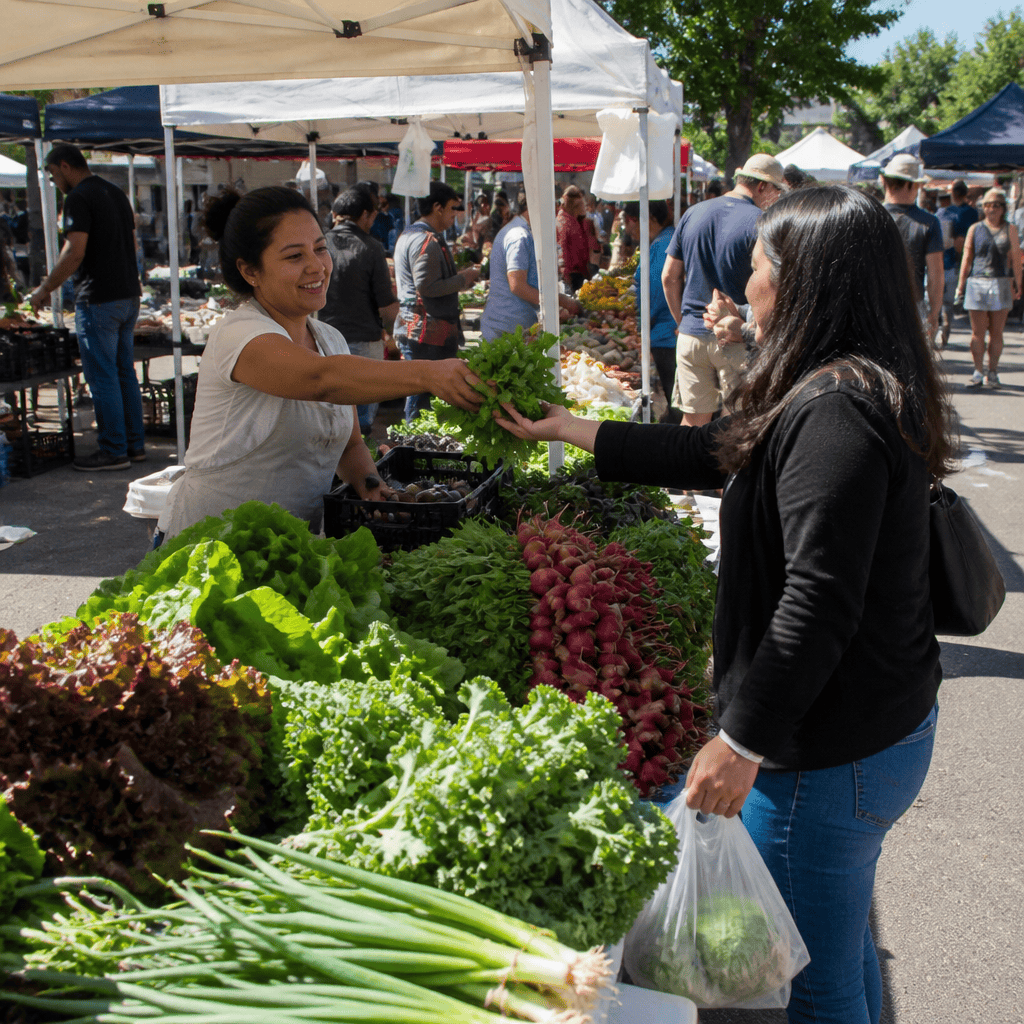
Organic farmers markets enable small-scale producers to directly connect with consumers, eliminating intermediaries and improving profit margins. The USDA reports that direct-to-consumer sales, including farmers markets, have grown to over $1.3 billion annually in the U.S. These markets encourage community engagement, enhance rural livelihoods, and foster farm resilience.
Consumer Health and Awareness
Organic produce is perceived as healthier due to the absence of pesticide residues and higher concentrations of certain nutrients, such as antioxidants. A 2019 systematic review published in Nutrients found that organic crops contain significantly higher levels of antioxidants and lower levels of heavy metals than conventionally grown counterparts. Farmers markets also educate consumers on sustainable agriculture practices, increasing demand for environmentally responsible products.
The economic and social dimensions of organic farmers market produce complement the environmental benefits, together driving the broader sustainable agriculture movement.
Challenges and Future Prospects for Organic Farmers Market Produce in Sustainable Agriculture
Challenges: Supply Chain, Certification, and Accessibility
Despite its advantages, organic farmers market produce faces challenges, including the complexity and cost of organic certification, supply chain limitations, and higher prices limiting accessibility for some consumers. The USDA Organic certification process, while rigorous, can be cost-prohibitive for smallholders. Additionally, scaling supply to meet growing demand without compromising organic principles remains a balancing act.
Technological Innovations and Policy Support
Emerging innovations such as blockchain for supply transparency, precision organic farming technologies, and government incentives are enhancing the viability of organic farmers markets. For instance, the USDA’s Specialty Crop Block Grant Program supports local organic farmers to improve marketing and distribution. Policy frameworks that prioritize sustainable agriculture will be crucial to expanding the reach and impact of organic produce markets.
Conclusion: The Transformative Influence of Organic Farmers Market Produce on Sustainable Agriculture
Organic farmers market produce embodies a vital component of sustainable agriculture by integrating ecological stewardship, economic viability, and social equity. Its emphasis on chemical-free cultivation improves soil health and biodiversity while reducing pollution. Economically, it empowers local farmers and promotes community engagement, contributing to rural development. Although challenges remain in certification and scalability, technological advances and supportive policies hold promise for the sector’s future growth.
As consumers continue to prioritize health and environmental responsibility, supporting organic farmers markets represents a direct action toward fostering a sustainable food system. For further reading, the USDA Organic Program website and the Organic Trade Association offer valuable resources on organic agriculture standards and market trends.