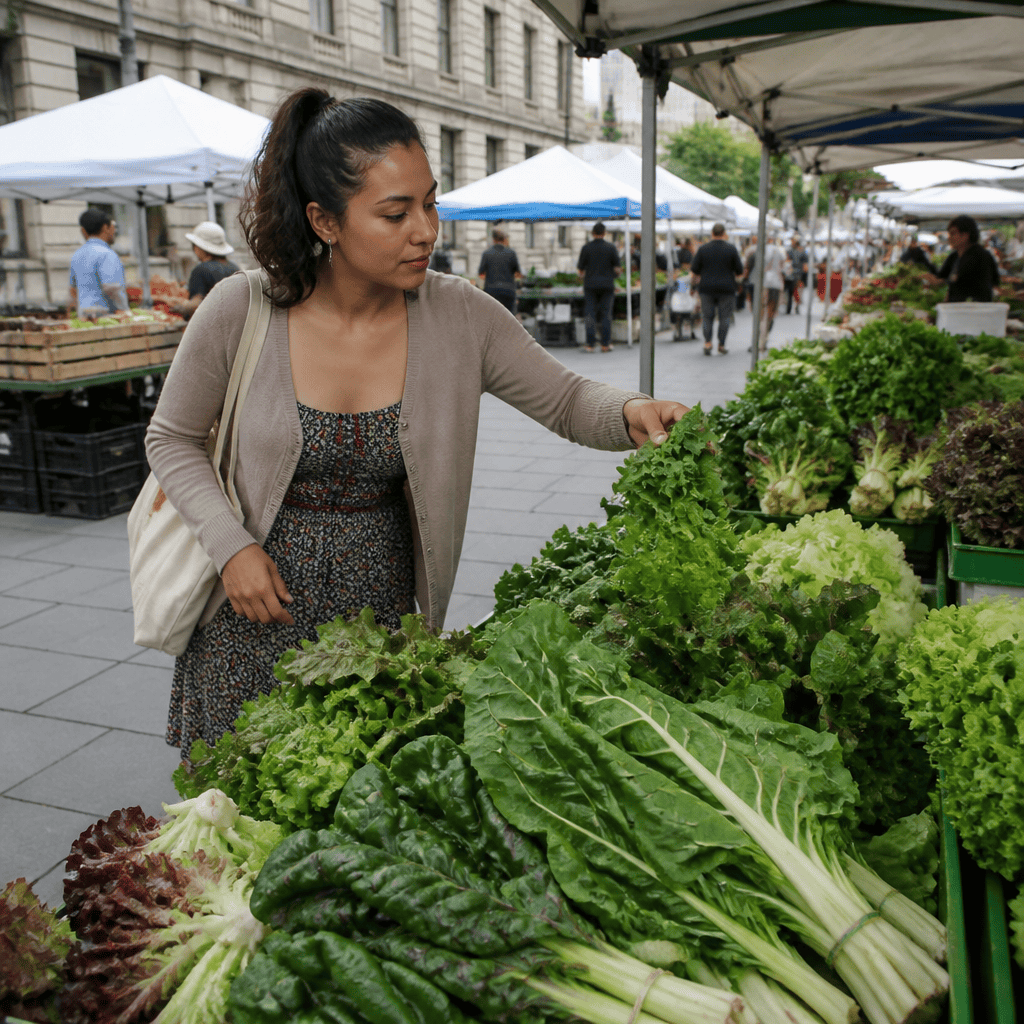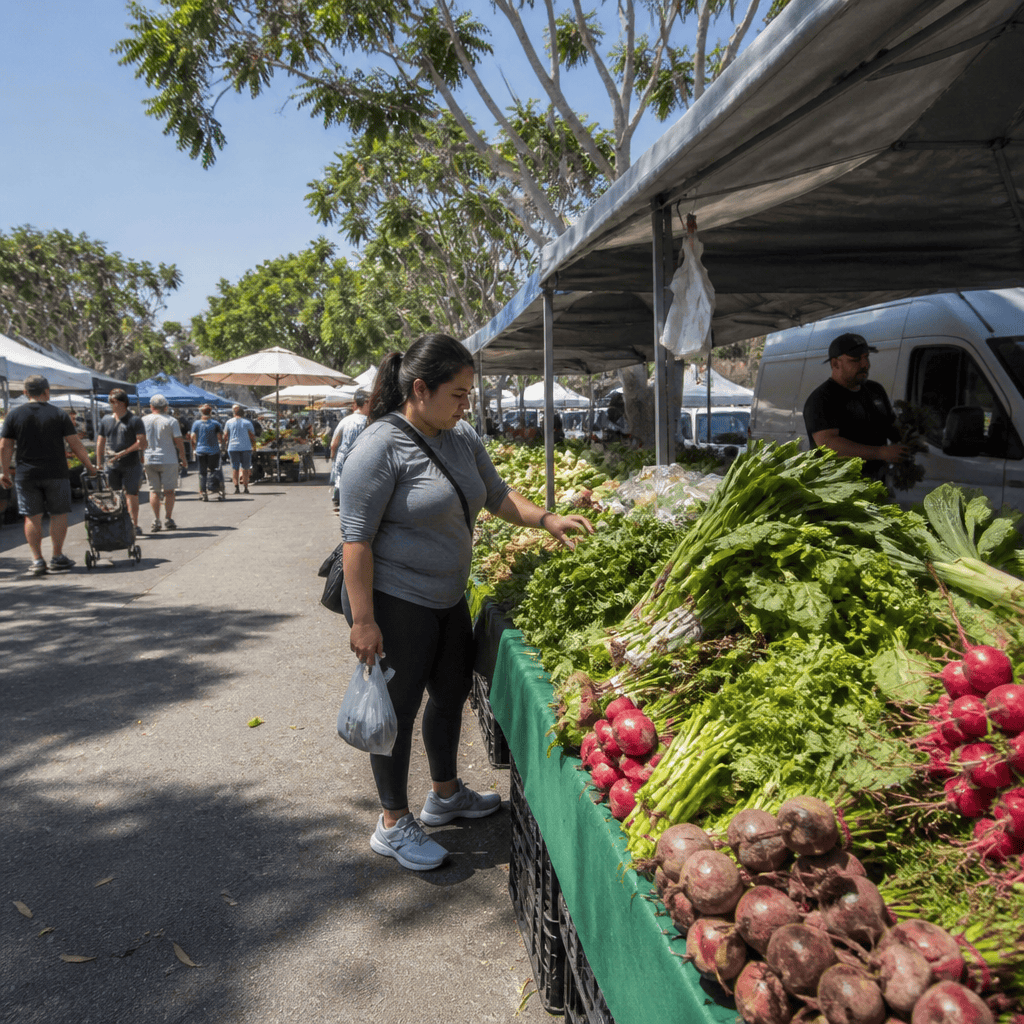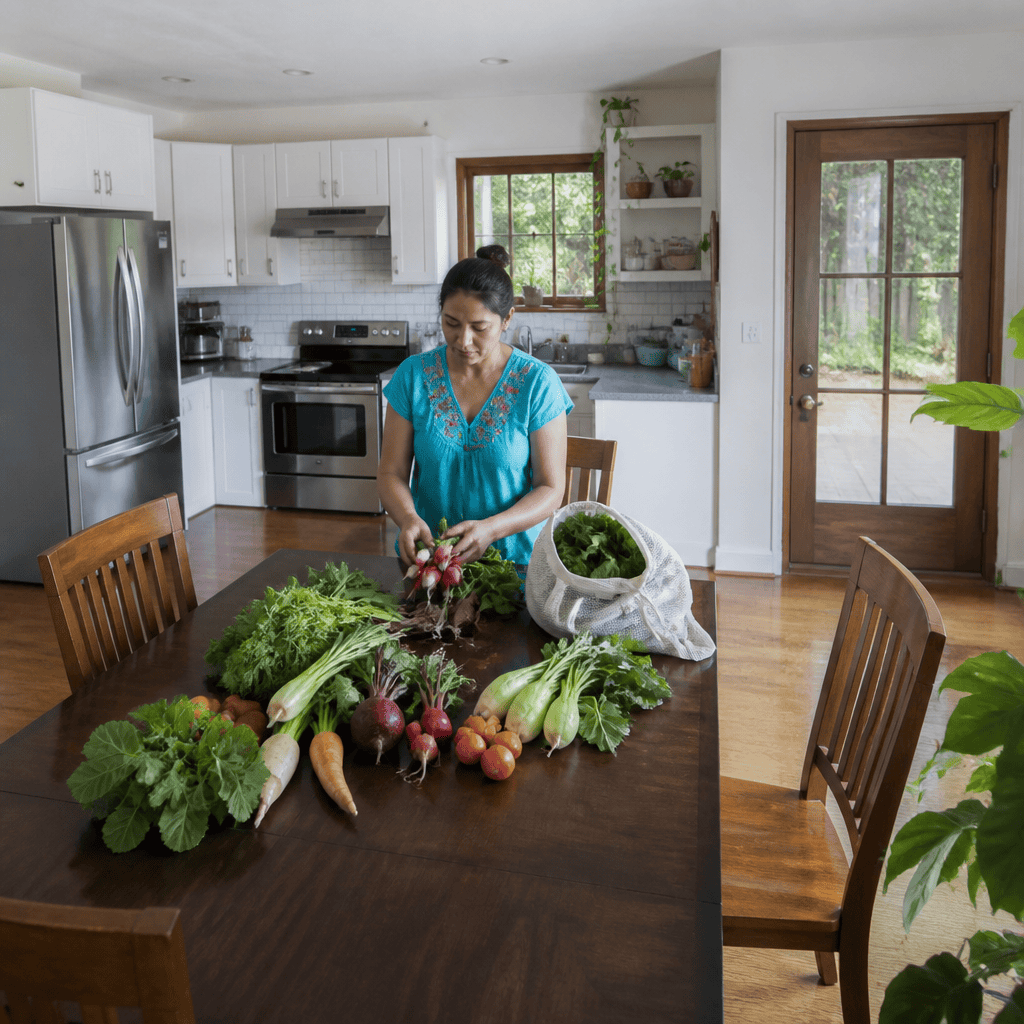
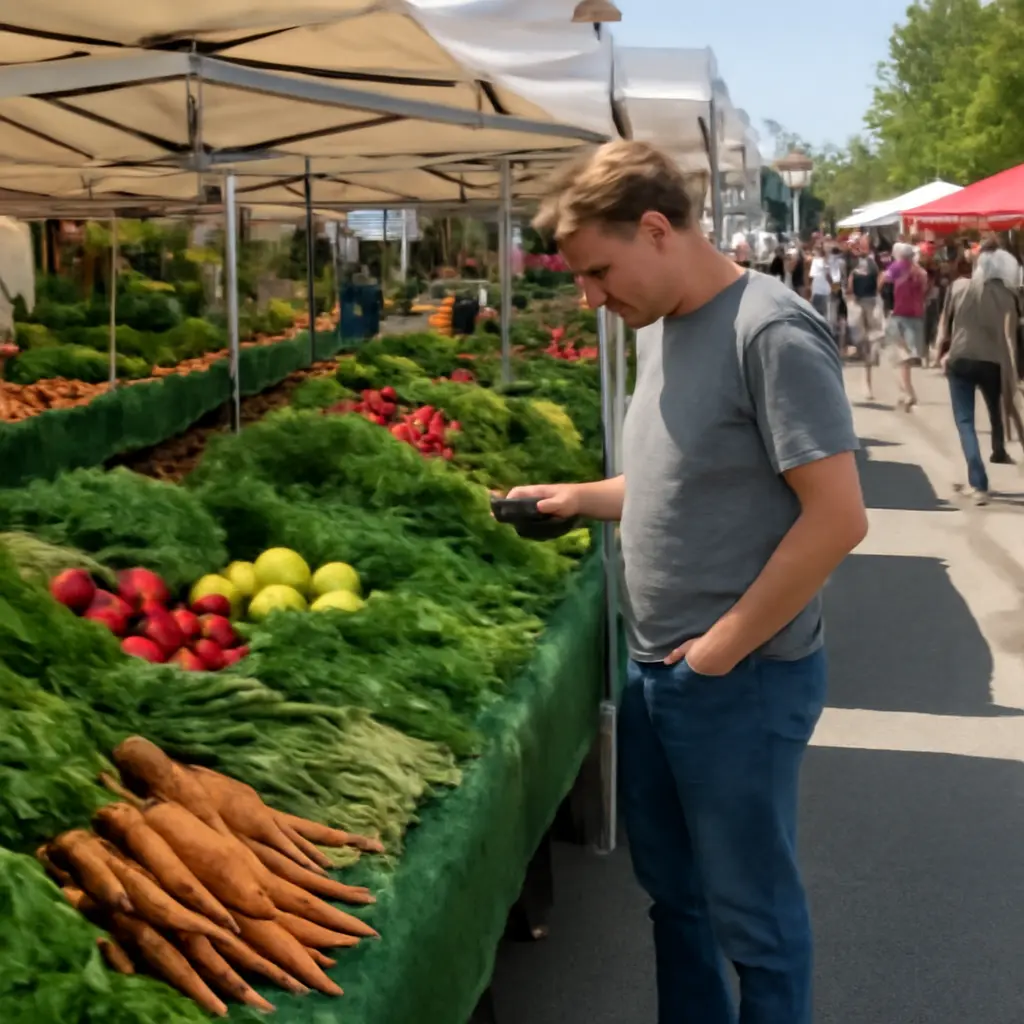
Organic produce is grown under USDA organic standards, while “naturally grown” is a less precise description that may refer to a farm’s practices rather than a regulated certification. At a farmers market, shoppers can make informed choices by checking labels, asking how crops are grown, and distinguishing verified claims from informal ones. That matters because organic certification has defined requirements, whereas a direct conversation with a grower can clarify practices that a label does not address. The guide below explains the terms, how to assess vendors and produce, what questions to ask, and how to shop with confidence.
Understand organic and naturally grown produce claims
The U.S. Department of Agriculture (USDA) defines organic production through standards governing how agricultural products are produced, handled, and labeled. Certified farms must follow the National Organic Program’s rules, keep records, and undergo inspection by an accredited certifier. “Naturally grown,” by contrast, is not a general USDA certification for produce and does not have one universal legal definition that guarantees a particular growing method.
These distinctions are useful at farmers markets, where a farm may sell certified organic crops, use some organic practices without certification, or describe its methods with terms such as “natural,” “chemical-free,” or “spray-free.” The wording alone cannot establish what the farmer does. Ask for specifics, and treat certification and production-method conversations as related but separate ways of evaluating a purchase.
What USDA organic means
USDA organic certification is a regulated production claim, not a guarantee that food is more nutritious, pesticide-free, or locally grown. Under USDA rules, organic farmers must use methods that support ecological balance and conserve biodiversity. The rules restrict most synthetic pesticides and fertilizers, prohibit genetically engineered seeds and irradiation, and set conditions for soil fertility, pest management, and handling. Some approved substances can be used, so “organic” does not mean that no pesticides are ever applied.
The USDA’s labeling categories depend on the product and its organic content. For shoppers buying fresh produce, the key practical signal is whether the farm or product is represented as certified organic and whether the vendor can identify its certifier. Certification is documented and inspected; it is not simply a farmer’s informal assurance.
What “naturally grown” may mean
“Naturally grown” may be a farmer’s description of practices such as avoiding synthetic pesticides, using compost, or prioritizing soil health, but the phrase by itself does not verify those practices. It should not be treated as interchangeable with “USDA organic.” Ask what the term means on that particular farm: which inputs are used, how weeds and pests are managed, and whether the farm follows a written standard or participates in a verification program.
Some growers may participate in independent or regional programs with their own standards. Such programs can provide useful information, but their requirements may differ from USDA organic rules. Ask the vendor to explain the program and what it checks rather than assuming that a program name or sign guarantees the same practices as federal organic certification.
Verify farmers market produce claims
A farmers market makes it easier to speak directly with the person who grew the food, but proximity is not itself proof of a production claim. The USDA’s National Organic Program requires certified operations to maintain records and submit to inspection. By contrast, a market’s rules may govern vendor eligibility or local sourcing without verifying every growing practice. Use signs as a starting point, then confirm what they mean with the grower or market manager.
Look for certification details
If a vendor says produce is certified organic, ask for the farm name and certifier, or look for the certification information displayed at the stall. A grower should be able to explain whether the certification applies to the farm and the crops being sold. USDA rules provide exemptions for some small-scale operations from certification requirements, but exempt operations must still follow applicable organic production and handling rules if they make organic claims. When a farm is not certified, ask the vendor to distinguish “grown using organic methods” from “certified organic.”
Ask concrete questions about growing practices
Specific questions produce more useful answers than asking whether a farm is “chemical-free.” For example, ask how the grower manages insects and weeds, whether synthetic fertilizers or pesticides are used, how soil fertility is maintained, and what the farm does to prevent contamination from nearby land. If a farmer uses treatments, ask what they are and when they are applied. A clear, consistent explanation is more informative than a broad label.
- “Are these crops certified organic, or grown using particular organic practices?”
- “What do you use to manage pests and weeds?”
- “How do you build soil fertility?”
- “Do you grow this produce yourself, or is it sourced from another farm?”
- “When was this harvested, and how should I store it?”
Check market policies and vendor transparency
Market rules vary. Some markets require vendors to grow what they sell, while others permit resale or set separate standards for organic claims. Read the market’s vendor policy, ask staff how claims are checked, and clarify whether a stall’s signs refer to the farm, a specific crop, or a general growing philosophy. If information remains unclear, make the purchase based on what you can verify rather than assuming every market has the same oversight.
Choose produce with quality, season, and budget in mind
Once a claim is clear, evaluate the produce itself. Freshness depends on harvest timing, handling, storage, and travel, not simply whether an item is organic. Farmers markets can offer seasonal crops and a direct route to growers, but varieties and prices change with weather and supply. Shopping flexibly—choosing what is abundant and in season—can help reduce cost and food waste.
Use freshness and seasonality as practical guides
Ask when the crop was harvested and how it has been stored. Compare produce for firmness, color, aroma, and visible damage appropriate to the variety; minor cosmetic marks do not necessarily indicate poor quality. Seasonal availability differs by region, so consult local market calendars or ask vendors what is at its peak. The USDA’s seasonal produce guidance can help shoppers understand typical harvest periods, but local weather and growing conditions affect actual availability.
Balance organic preferences with affordability
Organic produce can cost more because of differences in production, certification, labor, and supply, though prices vary by crop, region, and season. Compare prices across stalls, ask about smaller quantities, and consider buying what is plentiful. If your budget does not allow every item to be organic, prioritize the produce and practices that matter most to your household while continuing to eat a varied diet. Washing fresh produce under running water remains a sensible food-safety step; washing does not make an uncertified product organic.
Plan storage and reduce waste
Buy amounts you can use, and ask the grower how to store each crop. Some produce keeps best refrigerated, while other items are damaged by cold or should be stored away from direct sunlight. Keep delicate greens dry and chilled, and separate produce that releases ethylene from items sensitive to it when appropriate. The USDA’s food-safety guidance recommends washing produce under clean, running water before eating or preparing it; do not use soap or detergent.
Shop confidently: a farmers market checklist
A quick routine can make market shopping both efficient and evidence-based. Start by deciding which items you want, then compare vendor claims and ask questions before buying. A simple checklist can also help distinguish a regulated claim from a description of farm practices.
- Read signs carefully and note whether the claim is “certified organic,” “grown organically,” or “naturally grown.”
- For certified claims, ask which farm and certifier are involved.
- For non-certified claims, ask what specific inputs and methods the grower uses.
- Confirm whether the vendor grew the produce or sourced it elsewhere.
- Choose seasonal items, compare prices, and buy quantities you can store and use.
- Wash produce under running water and follow the grower’s storage advice.
Conclusion: make informed choices at the market
Organic produce has a defined USDA standard and certification system; “naturally grown” does not carry one universal guarantee. At farmers markets, verify claims by checking certification details, asking growers about their methods, and reviewing market policies. Then consider seasonality, freshness, price, and storage to choose produce that fits your needs. Take a few questions to your next market, ask vendors to explain their practices, and use USDA organic and food-safety guidance for further reading.
Sources: USDA Agricultural Marketing Service, “Organic Standards,” https://www.ams.usda.gov/grades-standards/organic-standards; USDA Agricultural Marketing Service, “Labeling Organic Products,” https://www.ams.usda.gov/grades-standards/organic-labeling; USDA Agricultural Marketing Service, “Organic Certification,” https://www.ams.usda.gov/services/organic-certification; USDA Food Safety and Inspection Service, “Selecting and Serving Produce Safely,” https://www.fsis.usda.gov/food-safety/safe-food-handling-and-preparation/food-safety-basics/selecting-and-serving-produce-safely; USDA MyPlate, “Seasonal Produce Guide,” https://www.myplate.gov/eat-healthy/what-is-myplate/seasonal-produce-guide