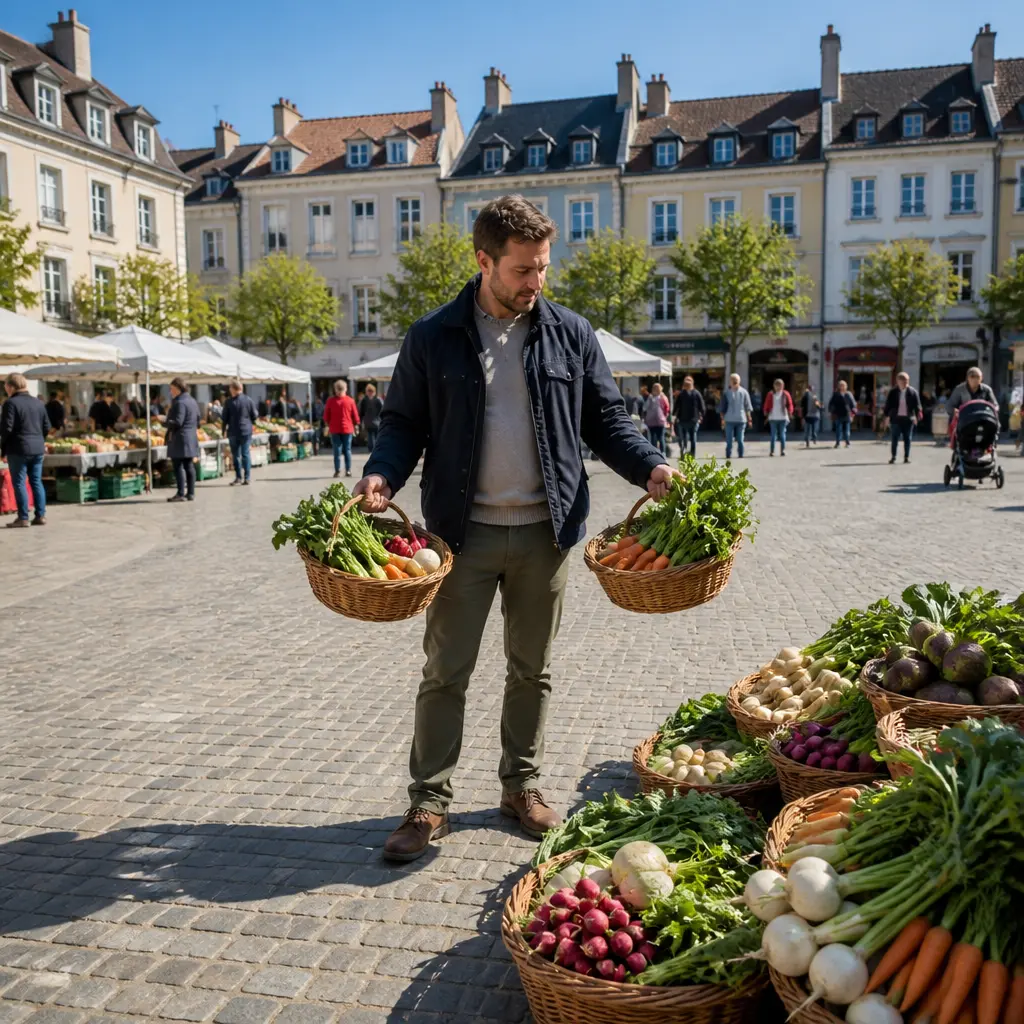
Farmers market shopping is the practice of buying food directly from local growers and producers, while seasonal availability describes when a crop naturally reaches harvest in a particular region. Once shoppers match their lists to cool-season, warm-season, and shoulder-season crops, choosing what to buy becomes faster, fresher, and often more economical. The U.S. Department of Agriculture’s 2022 Census of Agriculture reported approximately $9 billion in direct-to-consumer farm sales, showing the importance of local food channels, while USDA farmers market directories and extension crop calendars demonstrate that availability changes by climate, planting date, and weather.
Seasonal availability simplifies farmers market shopping
Seasonal availability is the period when a crop is most likely to be harvested locally at a given stage of quality and volume. It is not a universal calendar: a strawberry season in Florida may begin months before one in Maine, and greenhouse production can extend the supply of some crops. Agricultural extension services define harvest windows through regional planting dates, average temperatures, frost risk, and crop maturity.
This attribute matters because farmers markets usually reflect nearby production more directly than supermarkets do. A shopper who understands the season can expect abundant, lower-cost crops, recognize unusual items as legitimate regional specialties, and avoid assuming that every market should carry the same produce year-round. The USDA’s local food research distinguishes direct-to-consumer sales from broader wholesale activity, making the farmers market a particularly visible example of a short food-supply chain.
Cool-season crops
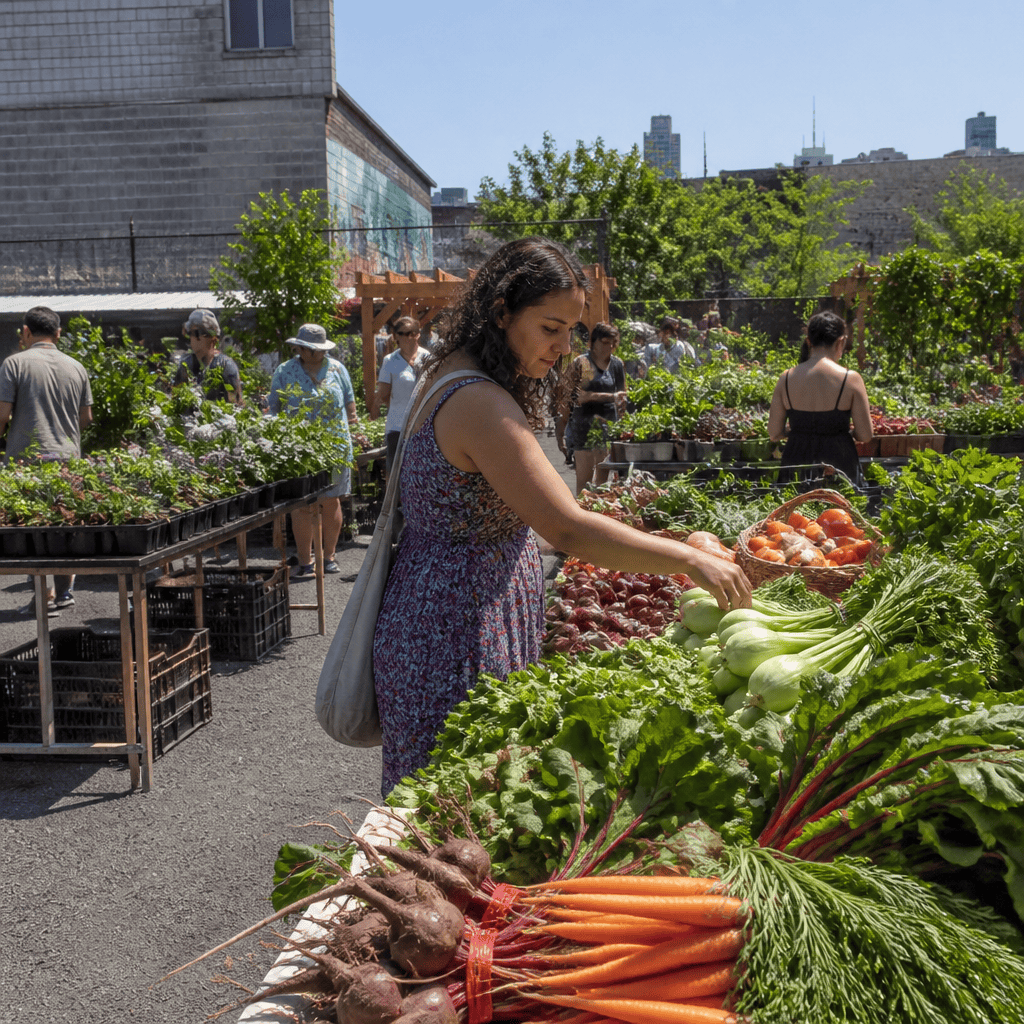
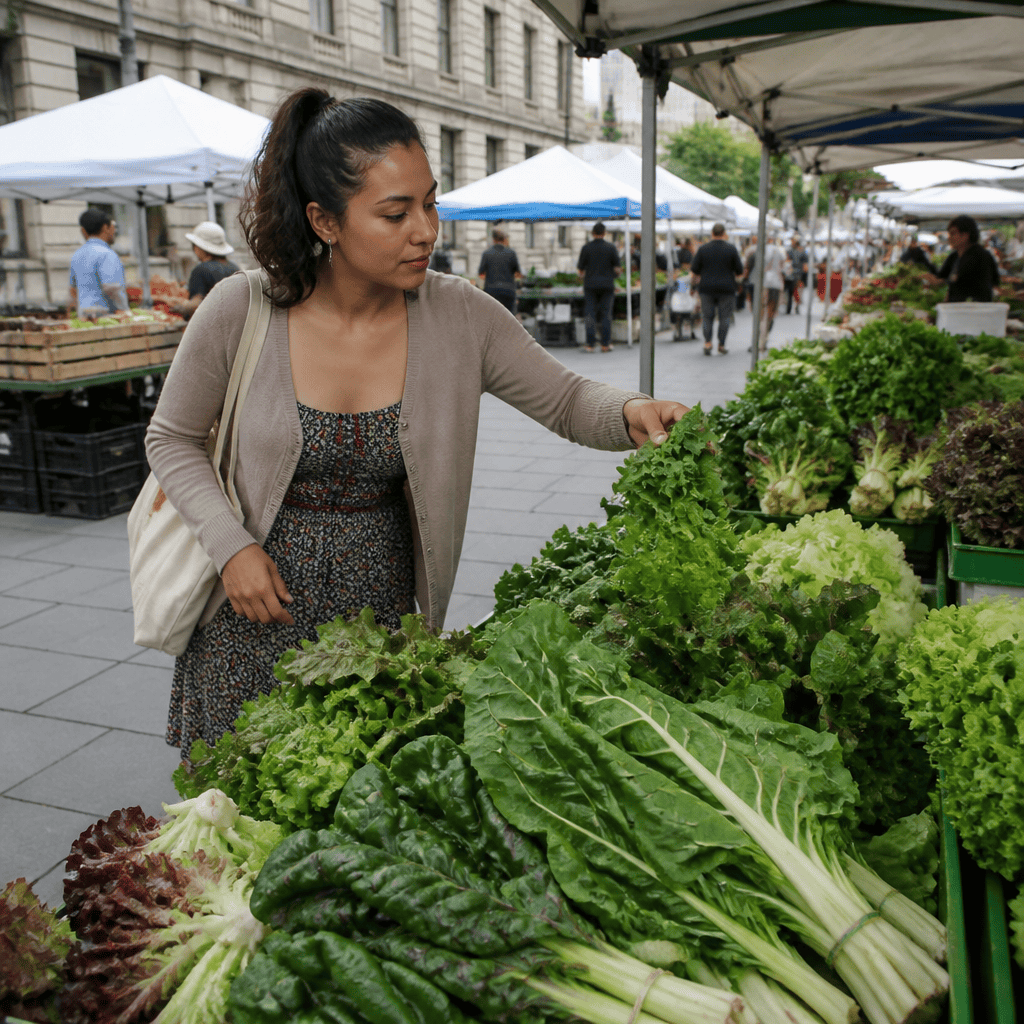
Cool-season crops are plants that grow well in moderate or relatively low temperatures, often in spring and fall. Common examples include lettuce, spinach, kale, peas, radishes, carrots, beets, broccoli, cabbage, and turnips. In many regions, these crops appear before warm-weather tomatoes and peppers and return after summer heat declines.
Cool-season shopping is especially useful for building flexible meals. Greens can become salads or sautés, root vegetables can be roasted or stored, and peas can be eaten fresh or preserved. The Old Farmer’s Almanac and university extension crop calendars both emphasize that local frost dates, rather than a single national month, are the best guide for planting and harvest expectations.
Warm-season crops
Warm-season crops require higher soil and air temperatures and are generally harvested after the danger of frost has passed. Tomatoes, sweet corn, cucumbers, zucchini, green beans, eggplant, melons, peaches, and many peppers belong to this group. Their peak supply often arrives in summer, although the exact timing varies with latitude, elevation, rainfall, and the use of row covers or greenhouses.
Peak abundance is a practical signal for shoppers. When several vendors offer the same tomato, peach, or squash variety, the crop is likely at a local production high point. Buying then can support better value and flavor, while purchasing imperfect or surplus produce can help farmers reduce waste. The USDA’s MyPlate guidance also supports building meals around a variety of fruits and vegetables rather than relying on a fixed list of ingredients.
Shoulder-season and storage crops
Shoulder-season crops appear during the transition between major growing periods, while storage crops are harvested at one time and kept for later sale. Examples include early asparagus, spring onions, fall apples, winter squash, potatoes, onions, garlic, and some varieties of cabbage and carrots. These categories explain why a market can offer local food even when fresh field production seems limited.
Storage crops also connect seasonal shopping with preservation. Apples, squash, onions, and potatoes may remain available for months under suitable conditions, whereas tender greens and berries have much shorter selling windows. The National Center for Home Food Preservation advises using tested procedures for canning, freezing, drying, and fermentation because safe preservation depends on acidity, moisture, temperature, and processing time.
Regional calendars guide farmers market decisions
A regional crop calendar is a planning tool that shows approximate planting, harvest, and availability periods for a specific climate. It is more useful than a generic national list because the United States contains multiple hardiness zones and growing conditions. Shoppers can use calendars from land-grant universities, county extension offices, or state departments of agriculture, then adjust expectations after unusually hot, cold, wet, or dry weather.
Climate and microclimate
Climate establishes broad growing patterns, while microclimate describes local conditions such as a sheltered valley, urban heat island, coastal influence, or high-elevation field. Two farms at the same latitude can therefore bring different products to market. Asking vendors where a crop was grown and whether it was field-grown, hoophouse-grown, or stored provides a clearer picture of its season.
Weather can shift a harvest window by days or weeks. A late frost may delay peaches, excessive rain may reduce berries, and heat can cause lettuce to bolt earlier than expected. For that reason, “in season” should be treated as a changing range rather than a guaranteed date. The USDA and state extension services regularly update crop and production guidance in response to regional conditions.
Peak season versus available season
Peak season is the period of greatest local volume and often the widest selection, while available season includes the longer period when a crop can still be found in smaller quantities. For example, tomatoes may be available from early summer through early fall but reach peak abundance for only several weeks. Distinguishing these terms prevents shoppers from treating the first appearance of a crop as its best-value moment.
Peak-season purchases are also useful for preservation planning. A shopper can buy abundant berries for freezing, tomatoes for sauce, or peaches for drying when vendors have more product. The National Center for Home Food Preservation recommends following tested recipes instead of improvising with low-acid foods, particularly when using a water-bath canner.
Seasonal shopping improves freshness, value, and flexibility
Seasonality does not guarantee that every item will be cheaper or more nutritious, but it improves the odds of finding recently harvested food and gives shoppers more leverage when supply is abundant. Direct purchasing can also make farm practices more visible: customers can ask about harvest dates, varieties, growing methods, and storage.
Freshness and flavor
Freshness is the time and condition between harvest and consumption. Produce that travels a short distance or is harvested close to market may retain desirable texture and flavor, although handling, temperature, and crop type still matter. Delicate greens and berries generally have shorter quality windows than apples, winter squash, or potatoes.
A useful market question is, “When was this harvested?” The answer can help distinguish a just-picked item from a stored crop. Shoppers should also expect natural variation: size, color, and shape may differ from supermarket standards without indicating poor quality.
Budget and abundance
Price reflects more than seasonality. Labor, weather losses, certification, transportation, land costs, and production scale all influence what a farmer charges. Even so, abundant crops often provide more choices and may be sold in larger quantities or at end-of-market discounts. Comparing several stalls and asking about seconds can reveal value without pressuring farmers to underprice their work.
The USDA’s 2022 Census of Agriculture figure of roughly $9 billion in direct-to-consumer sales indicates that local purchasing is economically significant, not merely a niche activity. Farmers markets can return spending directly to producers while allowing households to adapt purchases to what is plentiful.
Meal planning by category
Category-based planning means choosing a few meal formats instead of demanding exact ingredients. A shopper might plan one roasting vegetable, one leafy green, one fruit, one protein, and one flexible herb. This approach works especially well when the market’s selection changes from week to week.
- Choose a base such as rice, pasta, bread, potatoes, or tortillas.
- Select one or two vegetables that are abundant that week.
- Add a protein from the market or pantry.
- Use herbs, fruit, or a sauce to vary the meal.
- Preserve or freeze excess produce when the quantity exceeds immediate needs.
This method turns seasonality into a creative constraint. Instead of searching for a specific recipe ingredient, shoppers can buy what looks best and select a preparation after returning home.
A simple seasonal farmers market method
The most reliable routine combines a short plan with room for discovery. Check a local crop calendar before leaving, bring reusable bags and a cooler when appropriate, and visit the market once to survey supply before purchasing. The USDA’s farmers market resources can help shoppers locate markets, while local extension offices can provide more precise harvest information.
Before shopping
- Review the regional harvest calendar and weather forecast.
- Inventory food already at home.
- Plan two or three meals around broad categories rather than exact produce.
- Set a budget and bring small bills or a payment method accepted by the market.
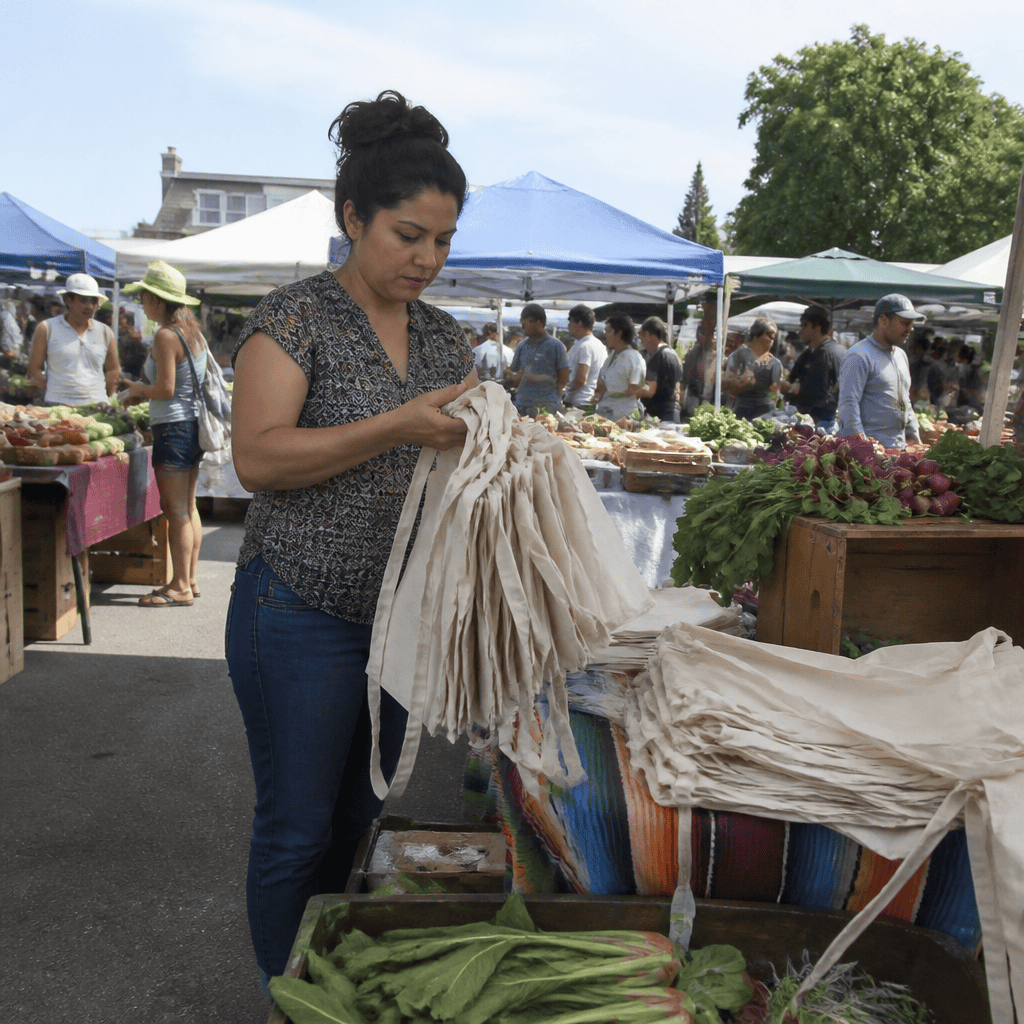
- Carry bags, containers, and cooling equipment for delicate or perishable foods.
At the market
- Walk through the market first to compare quality, selection, and prices.
- Ask vendors what was harvested recently and what is at peak supply.
- Look for signs of the current season, such as greens in cool weather or tomatoes in summer.
- Buy quantities that can be eaten, stored, or preserved safely.
- Ask about seconds, mixed boxes, storage advice, and substitutions.
After shopping
Store each crop according to its needs rather than placing everything in the refrigerator. Leafy greens generally benefit from prompt cooling, while onions, garlic, potatoes, and winter squash often require a cool, dry, well-ventilated place. Separate ethylene-producing fruits such as apples from sensitive produce when longer storage is important. For food-safety guidance, the U.S. Food and Drug Administration recommends washing produce under running water and keeping cut produce refrigerated.
Record what was purchased and how long it lasted. After several visits, a household can create its own local calendar based on actual vendor supply, preferred varieties, prices, and storage success. That personal record is often more practical than a generic list.
A seasonal market example
Consider a shopper visiting a northeastern market in late spring. Instead of expecting midsummer corn and tomatoes, the shopper may find asparagus, spinach, radishes, scallions, peas, and early strawberries. In midsummer, the same market may shift toward tomatoes, cucumbers, beans, zucchini, peaches, blueberries, and sweet corn. By autumn, apples, pumpkins, winter squash, cabbage, carrots, and potatoes may dominate the stalls.
The example illustrates why seasonal literacy reduces disappointment. A shopper who knows the expected crop group can make substitutions, buy enough for the week, and identify unusually early or late offerings. It also illustrates why a “seasonal” guide must be regional: a southern market may offer different crops during the same calendar month.
For a visual aid, a simple three-row chart can compare cool-season, warm-season, and storage crops across the year, with a separate column for the reader’s region. The chart should label approximate harvest windows rather than fixed dates and should note that weather, protected cultivation, and storage can extend availability.
Conclusion: seasonal knowledge makes farmers market shopping easier
Farmers market shopping becomes simpler when seasonal availability is treated as a guide to categories, timing, and substitutions. Cool-season crops explain spring and fall offerings; warm-season crops define much of summer abundance; and shoulder-season and storage crops bridge the gaps. Regional calendars, vendor questions, flexible meal planning, and safe storage turn changing supply into a practical routine.
The broader value extends beyond convenience. Direct-to-consumer sales connect households with producers, keep more purchasing decisions local, and encourage a food culture based on freshness and adaptation. Start by finding a regional crop calendar, visiting one nearby market, and recording what is available each month. With a few visits, the market itself becomes the most useful seasonal guide.
Sources: U.S. Department of Agriculture, 2022 Census of Agriculture: Local Food Marketing Practices, https://www.nass.usda.gov/Publications/AgCensus/2022/Online_Resources/Highlights/Local_Food_Sales/local-foods.pdf; U.S. Department of Agriculture Agricultural Marketing Service, Farmers Market Directory, https://www.ams.usda.gov/local-food-directories/farmersmarkets; U.S. Department of Agriculture, MyPlate, Fruits and Vegetables, https://www.myplate.gov/eat-healthy/fruits; U.S. Food and Drug Administration, Selecting and Serving Produce Safely, https://www.fda.gov/consumers/consumer-updates/7-tips-cleaning-fresh-produce; National Center for Home Food Preservation, University of Georgia, https://nchfp.uga.edu/; Cornell Cooperative Extension, Vegetable Growing Guides, https://gardening.cals.cornell.edu/growing-guides/