Summer Farmers Market Produce Selection
Summer farmers markets offer a bounty of fresh fruits and vegetables at their peak ripeness, providing consumers with options that are not only flavorful but also nutritionally dense. Farmers markets, defined by the United States Department of Agriculture (USDA) as places where local farmers sell their harvest directly to consumers, often reflect the seasonal rhythms of agriculture. Selecting peak fresh produce is crucial for taste, nutrient retention, and reducing food waste. This guide explores how to identify peak fresh summer fruits and vegetables at farmers markets, including key indicators, varieties to prioritize, and practical tips for consumers.
Defining Peak Freshness in Summer Farmers Market Produce
Peak freshness refers to the state when fruits and vegetables have reached optimal ripeness and nutritional quality, typically shortly after harvest. According to Dr. Elaine Ingham, a soil microbiologist and expert in sustainable agriculture, peak freshness ties directly to the produce’s nutrient density and flavor profile, which degrade as produce ages. In the context of farmers markets, peak freshness is often assured because the supply chain is shorter and less time elapses between harvest and sale, compared to supermarket produce.
Key characteristics of peak fresh produce include vibrant color, firm texture appropriate to the specific fruit or vegetable, pleasant aroma, and absence of blemishes or bruises. The National Sustainable Agriculture Coalition (NSAC) highlights that seasonal availability strongly influences freshness, with summer months providing a rich variety of rapidly-perishable produce like berries, stone fruits, tomatoes, and leafy greens.
Hyponyms for peak freshness in summer produce include “just-harvested,” “field-ripened,” and “locally grown.” These terms represent subsets of freshness that emphasize the proximity to the time and place of harvesting, which aligns well with farmers market practices.
Understanding peak freshness links naturally into identifying specific summer fruits and vegetables that exemplify this attribute, moving from general characteristics to actionable selection advice.
Recognizing Peak Freshness in Summer Fruits
Stone Fruits: Peaches, Nectarines, and Plums
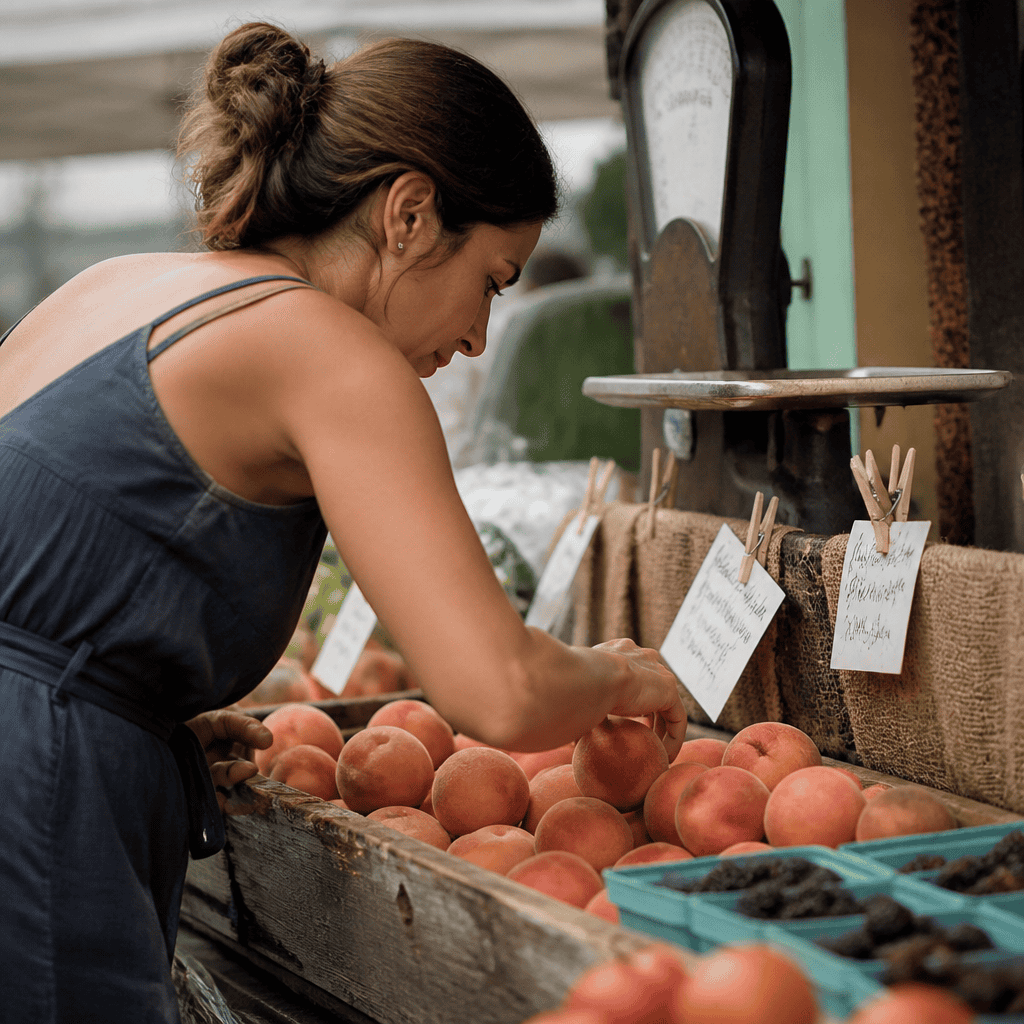
Stone fruits, including peaches, nectarines, and plums, are hallmark summer fruits often found at farmers markets. Peak fresh stone fruits are characterized by a slight softness to the touch, a sweet fragrance, and vibrant skin color that varies by cultivar. The University of California Agriculture and Natural Resources (UC ANR) notes that these fruits reach peak sugar content and juiciness only when tree-ripened, unlike supermarket varieties that are often picked early to withstand shipping.
Selecting stone fruits at farmers markets with these attributes ensures maximum flavor and nutrient retention, particularly vitamin C and antioxidants like polyphenols.
Berries: Strawberries, Blueberries, and Raspberries
Berries are highly perishable summer fruits with shelf lives typically under a week. The USDA’s Agricultural Research Service emphasizes picking berries with deep, uniform color and intact, glossy surfaces as markers of freshness and ripeness. Farmers markets typically offer freshly picked berries, often harvested within 24-48 hours prior to sale, preserving their high vitamin C content and flavonoid antioxidants.
Consumers should prioritize berries that are free of mold, bruises, and shriveled spots, which can indicate overripeness or poor handling.
Melons: Watermelon and Cantaloupe
Melons like watermelon and cantaloupe are quintessential summer fruits. Peak freshness is identified by a strong, sweet scent at the stem end, a ground spot where the fruit rested on the soil turning creamy yellow (in cantaloupe), and a firm, heavy feel relative to size. According to studies published in the Journal of Food Science, melons harvested at peak maturity display optimal sugar content (measured in degrees Brix) and nutrient profiles, including vitamins A and C.
Identifying Peak Freshness in Summer Vegetables
Tomatoes
Tomatoes, a staple at summer farmers markets, are best when vine-ripened, which maximizes their flavor and lycopene content. USDA guidelines indicate that peak ripe tomatoes are brightly colored (red, orange, or yellow depending on variety), with a slight give when gently squeezed, and a fresh, earthy aroma. Tomatoes picked green and ripened artificially lack the complex sugars and acids that develop on the vine.
Leafy Greens: Spinach, Lettuce, and Kale
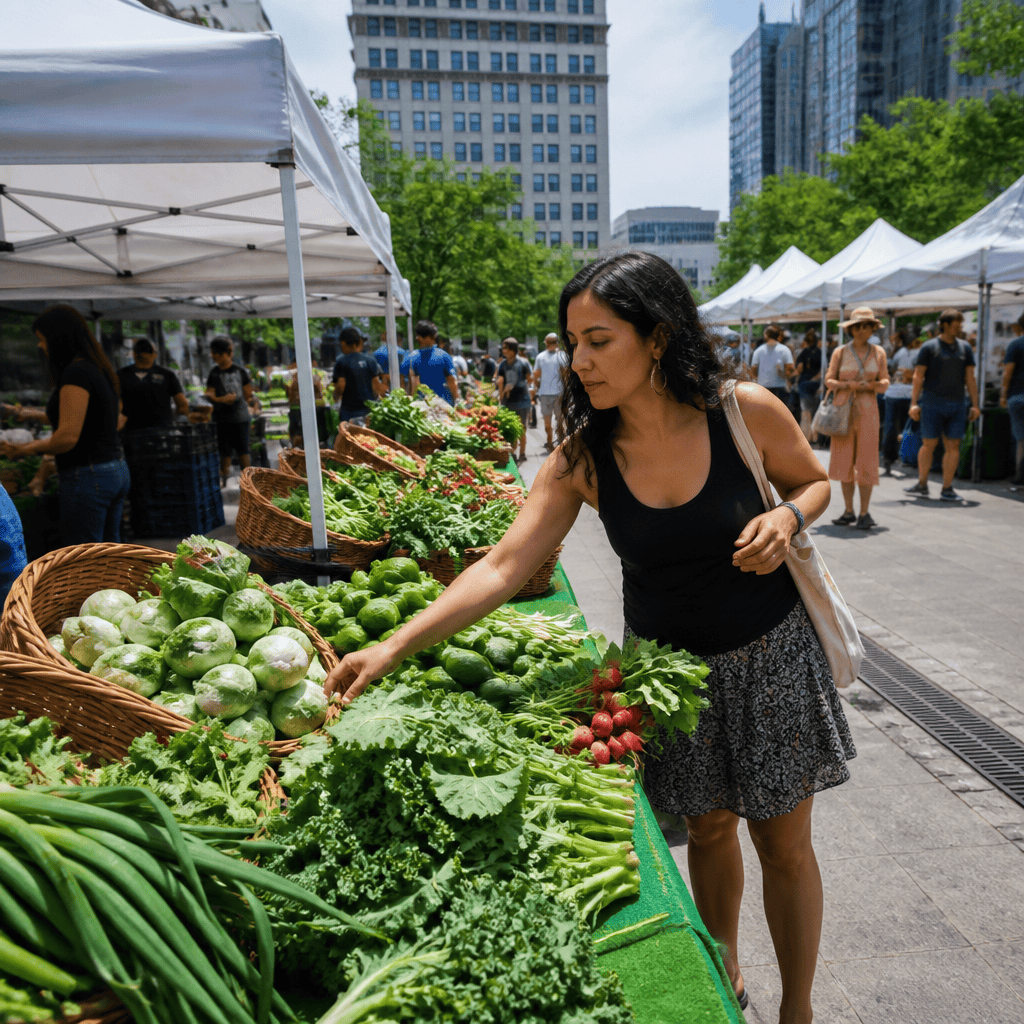
Leafy greens are fast-perishing vegetables that lose freshness quickly through wilting and yellowing. Peak freshness is marked by crisp, vibrant leaves without signs of decay or insect damage. According to the Produce Marketing Association (PMA), fresh greens contain the highest levels of vitamins K, A, and C, as well as folate and iron when harvested recently, ideally less than 48 hours before consumption.
Summer Squash and Corn
Summer squash varieties like zucchini and yellow squash are fresh when firm and tender, with glossy skins free from cuts or soft spots. Similarly, sweet corn’s peak freshness is indicated by moist, green husks and silk that is still slightly sticky. The USDA reports that sugars in sweet corn begin converting to starch soon after harvest, so buying freshly picked ears at farmers markets ensures superior sweetness and texture.
Strategies for Selecting Peak Fresh Produce at Farmers Markets
Consumers can optimize their selection of peak fresh summer produce by considering several practical factors. First, the time of day matters: markets early in the morning tend to have fresher produce that hasn’t been exposed to prolonged heat or sun. Second, engaging with farmers directly provides insight into harvesting practices and produce provenance, which improves trust and knowledge about freshness.
Furthermore, seasonal calendars published by institutions such as the USDA and local extension offices help consumers anticipate which fruits and vegetables are in prime season, increasing the likelihood of purchasing peak fresh items.
Finally, understanding sensory cues—such as aroma, firmness, and color—empowers shoppers to make informed decisions that enhance both culinary experiences and nutritional outcomes.
Conclusion: The Value of Peak Fresh Summer Produce from Farmers Markets
Selecting peak fresh summer fruits and vegetables at farmers markets embodies an intersection of nutritional science, sensory evaluation, and sustainable food sourcing. From stone fruits to leafy greens, identifying attributes like vibrant color, appropriate firmness, and fresh aroma ensures consumers receive produce at its nutritional and flavor zenith. The shorter supply chains and direct farmer-to-consumer sales typical of farmers markets reinforce the freshness and quality of summer produce, contributing to better health outcomes and reducing food waste.
As consumers become more informed about peak freshness characteristics and seasonal availability, they can support local agriculture, enjoy superior produce, and foster a deeper connection to their food. Further reading can include local seasonal guides and engaging with extension services for updated market reports and freshness tips.