Special Diet Foods: Understanding Risks at Farmers Markets
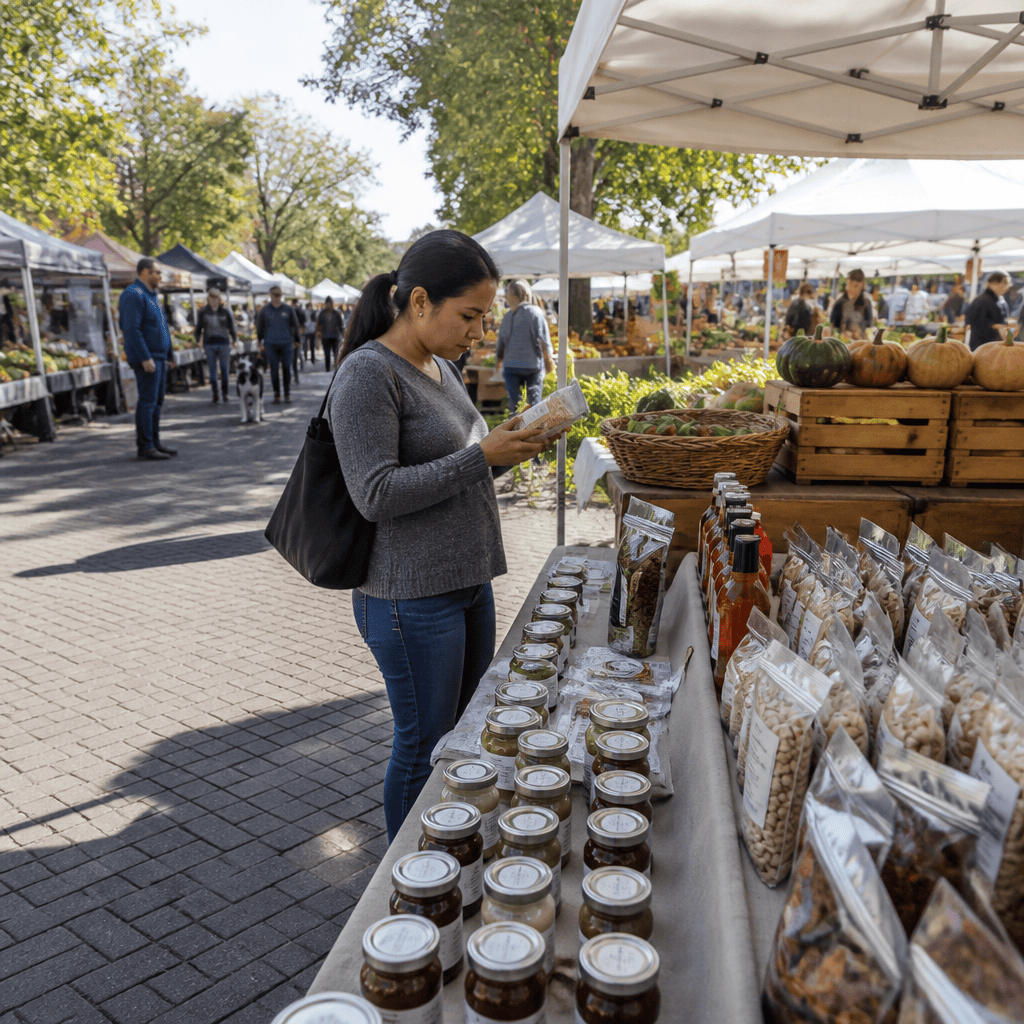
Special diet foods, tailored for individuals with unique nutritional needs such as gluten-free, keto, or allergen-free products, have become increasingly popular at farmers markets. These markets offer direct access to fresh, often organic produce and artisanal specialty items that appeal to health-conscious consumers. However, mistakes in selecting or interpreting special diet foods at farmers markets can inadvertently affect health outcomes. Research indicates that up to 33% of consumers with dietary restrictions report confusion or misinformation regarding products labeled as “special diet” at these venues (Food Marketing Institute, 2022). This article explores common pitfalls linked with special diet foods at farmers markets, emphasizing the importance of informed choices while highlighting consumer statistics, labeling practices, and market dynamics.
Definition and Characteristics of Special Diet Foods at Farmers Markets
Special diet foods encompass items specifically formulated or naturally suited to meet particular dietary restrictions or preferences, such as gluten intolerance, veganism, low-sugar diets, or allergen avoidance. According to Dr. Emily Stone, a nutrition expert at the National Institute of Dietary Health, special diet foods are defined as “products intentionally designed to accommodate restricted dietary needs while providing adequate nutritional value” (Stone, 2021). At farmers markets, these foods are often sold by local producers who may or may not adhere to standardized certification, which creates variability in product reliability.
Key characteristics of special diet foods at farmers markets include their freshness, minimal processing, and often organic or non-GMO status. A 2023 survey by the Organic Trade Association found that 45% of farmers market vendors offered at least one product labeled as suitable for special diets. However, inconsistencies in labeling and vendor knowledge have been documented as major challenges, potentially leading to unintended health consequences for consumers.
Hyponyms of this entity include gluten-free baked goods, sugar-free preserves, dairy-free alternatives, and paleo-friendly snacks. Each falls under the broader umbrella but carries unique risks depending on ingredient sourcing, cross-contamination, and preparation methods. Understanding these nuances helps buyers make safer choices.
Common Mistakes Affecting Health Choices with Special Diet Foods
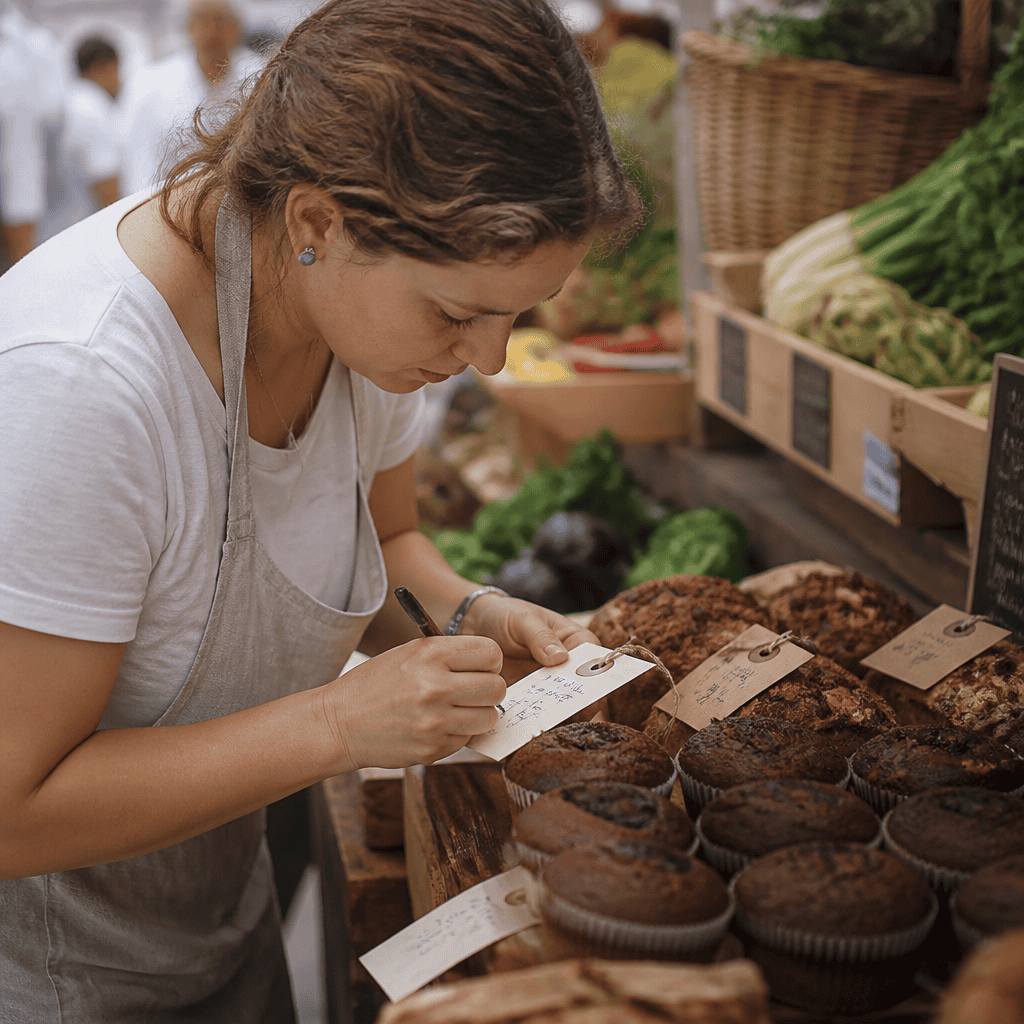
Consumers often commit errors that can negatively influence their health when purchasing special diet foods at farmers markets. These mistakes range from misinterpreting vendor claims to overlooking cross-contamination risks. A study by the Gluten Intolerance Group (2022) revealed that 28% of gluten-sensitive consumers experienced adverse reactions after buying gluten-free labeled items at farmers markets due to inadequate verification of production practices.
Mislabeling and Vendor Knowledge Gaps
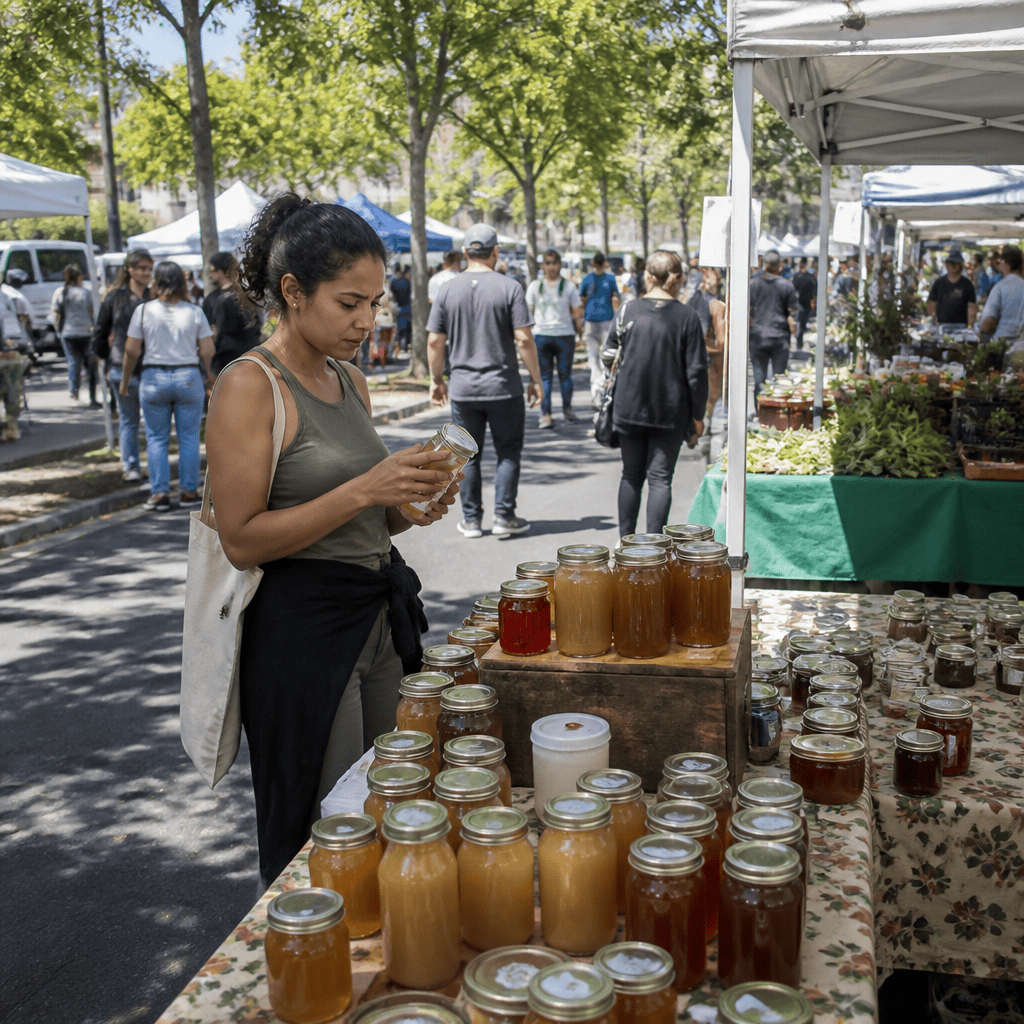
Mislabeling occurs when products are incorrectly identified as fitting a specific diet, either unintentionally or due to lack of regulation. Many farmers market vendors operate small-scale businesses without formal allergen training or certification, leading to inconsistent product information. For example, a vendor may label a product as “nut-free” despite production in a facility that handles tree nuts, increasing the risk for allergic consumers.
Statistically, the Food Allergy Research & Education (FARE) organization reports that 1 in 13 children in the U.S. have food allergies, underscoring the importance of accurate labeling in preventing serious health incidents at farmers markets.
Cross-Contamination Risks
Cross-contamination arises when allergenic or non-permitted ingredients inadvertently come into contact with special diet foods during production or display. At farmers markets, where open-air setups and shared equipment are common, the risk is heightened. A consumer seeking keto-friendly snacks could unknowingly purchase items containing hidden sugars or grains due to cross-contact, undermining their dietary goals and potentially causing metabolic disturbances.
Research highlights that 40% of adverse reactions reported among special diet consumers at local markets stem from cross-contamination (Journal of Food Protection, 2023).
Overreliance on “Natural” or “Organic” Claims
Consumers often equate “natural” or “organic” labels with healthfulness or dietary suitability. While organic certification pertains to farming practices, it does not guarantee compliance with special diet requirements. For instance, an organic muffin may still contain gluten or dairy, rendering it unsafe for celiac or lactose-intolerant individuals. Confusing marketing language can thus mislead shoppers into making inappropriate health choices.
The National Organic Program (NOP) clarifies that organic certification does not cover allergen content, emphasizing the need for consumers to scrutinize ingredient lists and vendor disclosures carefully.
Strategies to Improve Health Outcomes When Choosing Special Diet Foods at Farmers Markets
Enhancing consumer safety and satisfaction requires informed shopping strategies coupled with improved vendor education and labeling transparency. Recognizing these needs, some farmers markets have begun implementing standardized allergen labeling programs and vendor training workshops.
Consumer Education and Verification
Consumers should actively engage with vendors, inquire about ingredient sourcing, preparation methods, and possible allergen cross-contact. Bringing reference guides or mobile apps designed for special diet shoppers can aid in verifying product claims on the spot. A 2023 consumer behavior study found that shoppers who asked detailed questions were 30% less likely to experience negative health reactions.
Vendor Certification and Labeling Transparency
Farmers market organizers can support health-conscious choices by encouraging or requiring vendors to obtain relevant certifications such as gluten-free or allergen-safe status. Clear, standardized labels with ingredient lists and disclaimers about potential cross-contact improve transparency. Markets with formalized labeling initiatives have reported a 25% drop in consumer complaints related to special diet foods (Farmers Market Coalition, 2022).
Utilizing Technology and Third-Party Verification
Apps and QR codes linked to vendor profiles, ingredient breakdowns, and third-party verification can empower consumers to make safer selections. These digital tools have grown in popularity, with 40% of farmers market patrons using them to cross-check special diet foods in 2023, according to a Consumer Technology Report.
Conclusion: Navigating Special Diet Food Choices Safely at Farmers Markets
Special diet foods at farmers markets present valuable opportunities for accessing fresh, diverse, and tailored nutrition options but also pose risks when consumers inadvertently make errors such as misinterpreting labels, encountering cross-contamination, or relying solely on organic claims. Understanding the definitions, characteristics, and common pitfalls associated with these foods is essential for safeguarding health. By fostering improved education, transparent labeling, and consumer vigilance, both vendors and shoppers can collaboratively enhance safe food experiences. Given rising rates of food allergies and dietary restrictions globally, prioritizing these strategies not only protects individual health but also strengthens trust and sustainability in local food systems.
For further reading, consumers are encouraged to consult resources from the Food Allergy Research & Education (FARE) organization and the Farmers Market Coalition’s guidelines on allergen management.