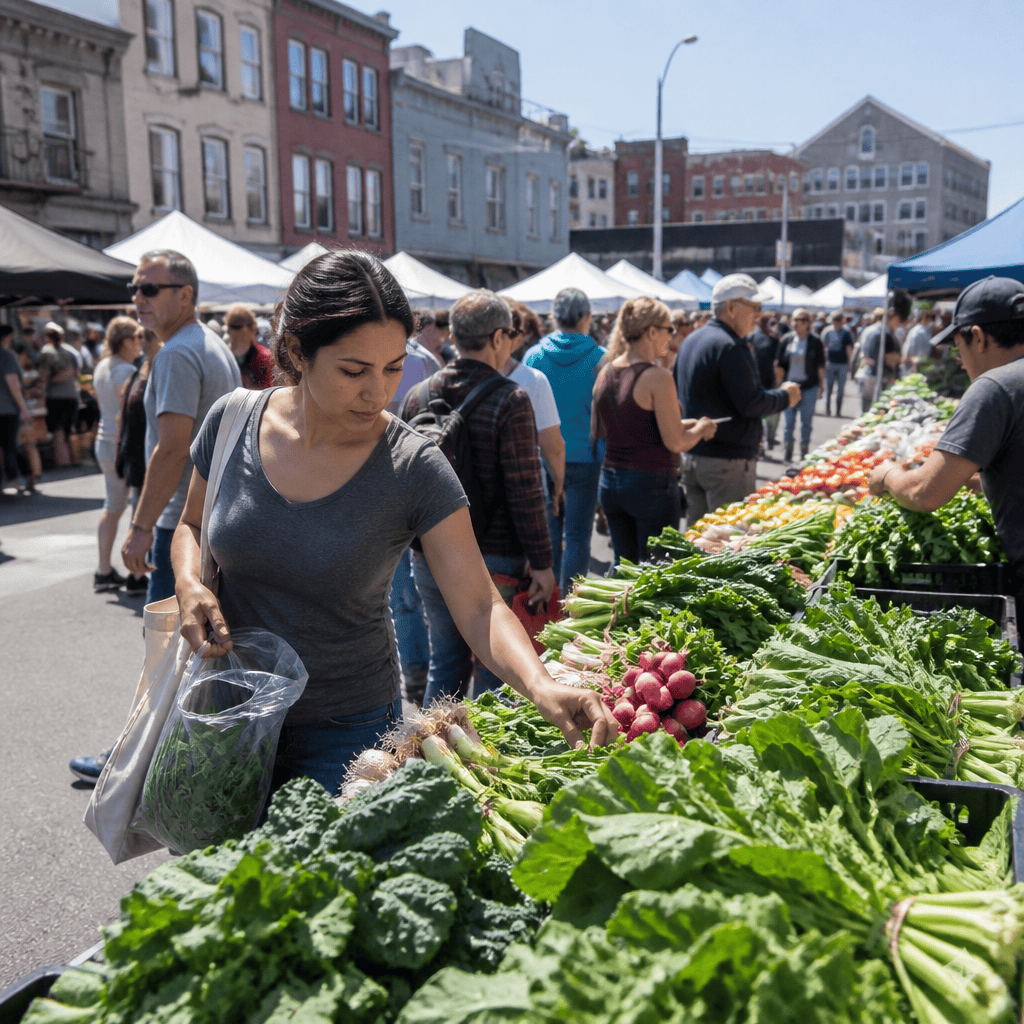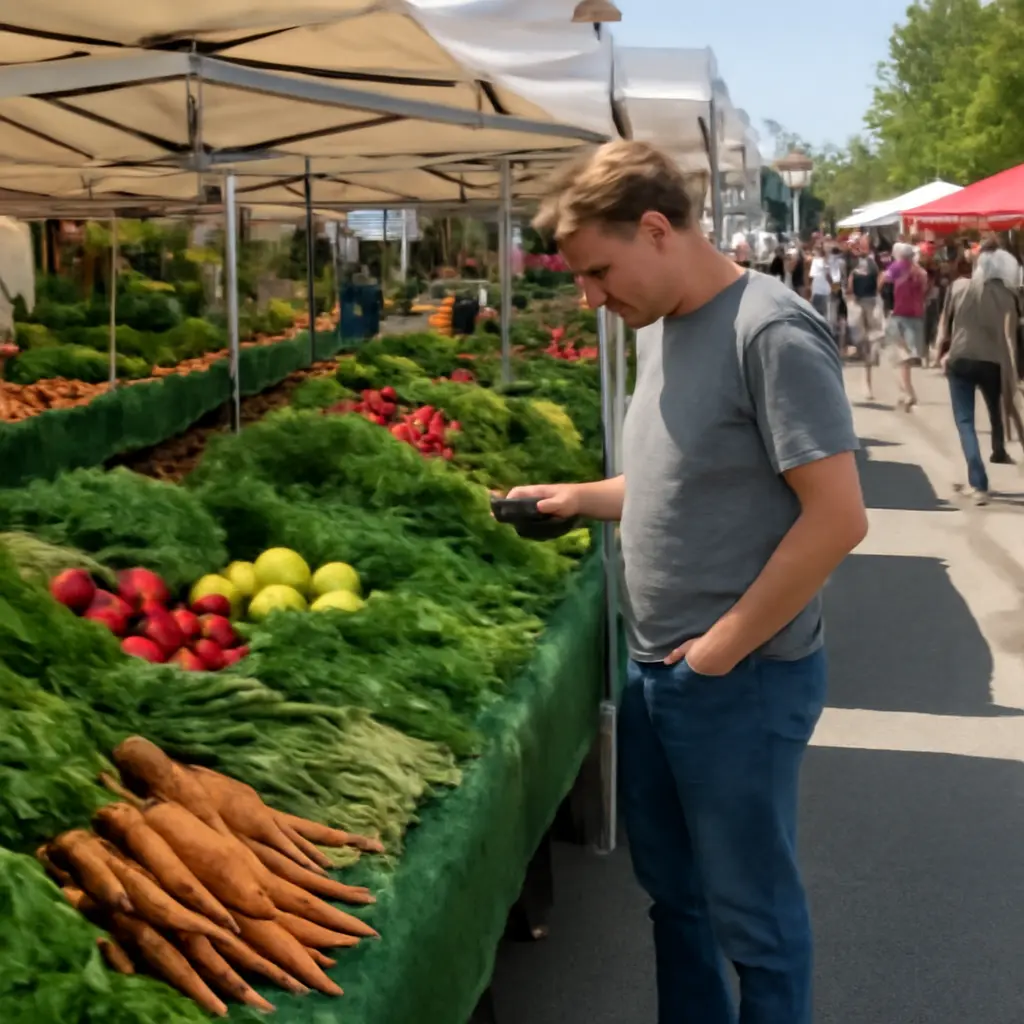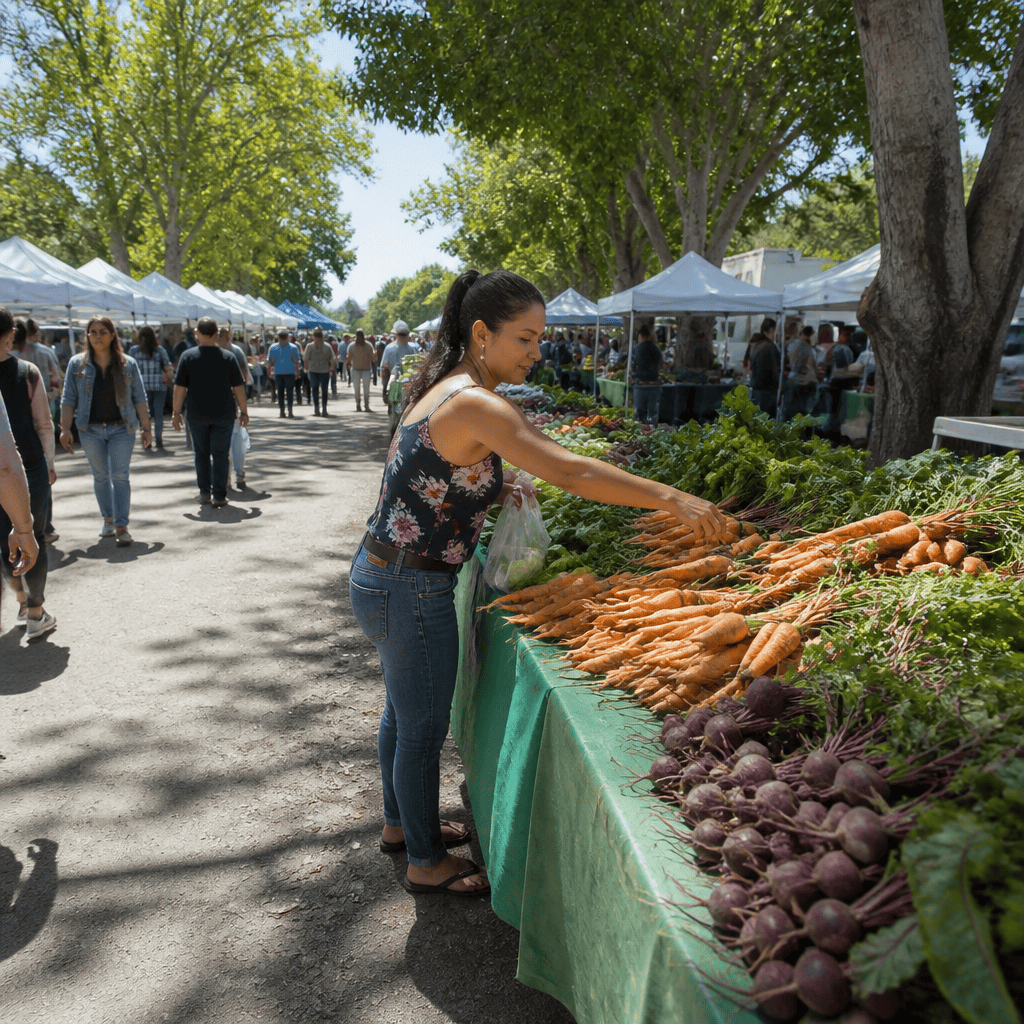
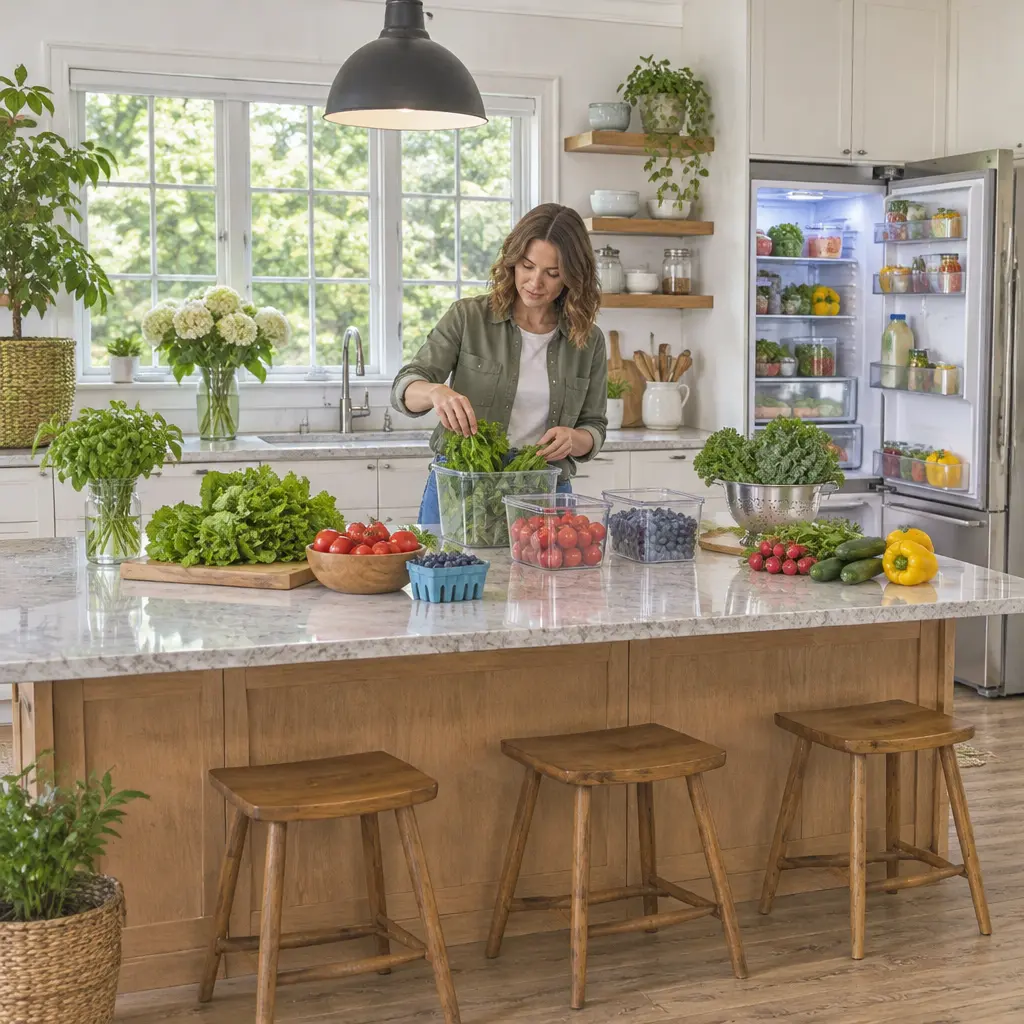
Farmers market produce is fresh fruit, vegetables, and herbs sold directly by growers or local vendors, and it often comes with little or no packaging to protect it after purchase. To make it last longer, sort it promptly, keep produce that needs humidity in breathable storage, separate ethylene-producing fruit from sensitive vegetables, and refrigerate or leave items at room temperature according to their needs. These steps matter because food waste is substantial: the U.S. Department of Agriculture estimates that 30–40% of the U.S. food supply is lost or wasted. Knowing how to store leafy greens, roots, fruits, and herbs can help preserve quality, save money, and make good use of a market haul.
Storage conditions shape farmers market produce shelf life
Produce storage is the practice of managing temperature, moisture, airflow, and exposure to gases so harvested foods retain quality for as long as possible. The University of California, Davis Postharvest Research and Extension Center explains that temperature is one of the most important influences on the rate at which fresh produce deteriorates. In practical terms, cool storage slows many forms of spoilage, while the right amount of humidity helps prevent wilting. However, not every item benefits from refrigeration: chilling-sensitive produce can develop flavor or texture problems when stored too cold.
A market basket commonly includes several storage groups: leafy greens and herbs; roots and tubers; fruiting vegetables such as tomatoes and peppers; and fruits such as apples, berries, and peaches. Their needs differ, so a single bowl or crisper drawer is rarely ideal for everything.
Temperature: refrigerate selectively
Refrigeration slows deterioration for many tender vegetables, berries, and cut or highly perishable items. Keep the refrigerator at 40°F (4°C) or below, the Food and Drug Administration’s recommended maximum for safe refrigerated storage. Put greens, carrots, broccoli, and berries in the refrigerator soon after shopping. Tomatoes, basil, and some other chilling-sensitive foods generally keep their best flavor and texture at room temperature; refrigerate them only when they are very ripe and need a short-term pause in ripening.
Humidity and airflow: prevent both drying and trapped moisture
Humidity is the amount of moisture in the surrounding air. Leafy greens and many roots lose water and become limp when exposed to dry air, while wet, tightly packed produce can encourage decay. Store greens in a breathable bag or a container lined with a clean, lightly damp towel, and avoid sealing wet leaves in an airtight package. Keep produce drawers reasonably organized so air can circulate, and remove leaves or damaged pieces that are already deteriorating.
Ethylene: separate ripening triggers from sensitive produce
Ethylene is a naturally produced plant hormone that promotes ripening and, in some produce, aging. Apples, bananas, avocados, and ripe tomatoes release ethylene; leafy greens, broccoli, and some other vegetables are sensitive to it. Store ethylene-producing fruit apart from sensitive vegetables when practical. A simple example is keeping apples in a fruit bowl rather than in a bag of greens.
Preparation protects farmers market produce quality
Once storage conditions are understood, careful preparation helps prevent avoidable damage. Freshly harvested items may carry soil or surface moisture, but washing everything immediately before storage can leave excess water that speeds decay. Handle produce gently, remove damaged pieces, and wash it under clean running water before eating or preparing it. The FDA advises consumers to wash produce under running water and not to use soap, detergent, or commercial produce washes.
Sort, inspect, and trim before storing
Sorting means grouping produce according to its storage needs and checking for bruises, cuts, or decay. Remove rubber bands or tight ties that crush leaves, and separate damaged items from sound ones. For carrots, beets, and radishes, remove leafy tops before storage because the greens draw moisture from the roots. Keep the greens separately if they are in good condition and plan to use them soon.
Wash at the right time
For many delicate items, washing just before use is the simplest way to avoid storing them damp. If you wash greens in advance for convenience, dry them thoroughly with a salad spinner or clean towel before refrigerating. Berries are especially prone to softening and mold when stored wet, so keep them dry and rinse them shortly before eating. Always wash produce, including items with peels that will not be eaten, before cutting or peeling to reduce transfer of surface contaminants.
Use clean containers and food-safe habits
Clean containers reduce the chance that residue or spoiled pieces will affect a fresh batch. Use clean bags, jars, or refrigerator drawers, and do not place ready-to-eat produce on surfaces that held raw meat or poultry unless they have been washed. Refrigerate cut produce promptly; the FDA advises discarding perishable food left at room temperature for more than two hours, or more than one hour when temperatures exceed 90°F (32°C).
Storage methods vary by produce category
Grouping produce by type turns general storage principles into an easy routine. The recommendations below are practical starting points; variety, ripeness, harvest condition, and refrigerator performance can all change how long an item remains at its best. Check produce regularly and use the most delicate items first.
Leafy greens and fresh herbs
Leafy greens include lettuce, spinach, chard, and kale. Remove damaged leaves, keep the greens cool, and use a breathable bag or a container with a dry or lightly damp towel to balance moisture. For tender herbs such as parsley and cilantro, trim the stems and stand them in a jar with a little water, loosely covered, in the refrigerator. Basil is an exception: it is sensitive to cold, so keep its stems in water at room temperature, away from direct sun.
Roots, tubers, and alliums
Roots such as carrots, beets, and radishes generally keep best in the refrigerator after their tops are removed. Potatoes prefer a cool, dark, dry, well-ventilated place rather than a warm counter or a damp refrigerator. Onions and garlic also need dry, airy storage; keep them separate from potatoes, since their differing moisture needs make a shared container less suitable. Avoid storing potatoes in direct light, which can cause greening.
Tomatoes, peppers, and summer vegetables
Tomatoes are usually best kept at room temperature until ripe, away from direct sunlight. Refrigeration can dull their flavor and make their texture mealy, although chilling a fully ripe tomato may be worthwhile if preventing spoilage is the priority. Peppers, cucumbers, and summer squash are more perishable and generally benefit from refrigeration, but use them promptly and avoid letting them sit in excessive moisture.
Berries, stone fruit, and apples
Berries are delicate: remove any moldy or crushed fruit, keep the rest dry and refrigerated, and wash them shortly before serving. Peaches, plums, and nectarines can ripen at room temperature; once ripe, refrigerate them to slow further softening and use soon. Apples generally keep well in the refrigerator and release ethylene, so place them away from sensitive greens when possible.
A market-to-kitchen routine reduces waste
A consistent routine makes storage easier and helps ensure that fragile produce is eaten before sturdier items. For example, a household buying lettuce, berries, carrots, tomatoes, and basil can refrigerate the lettuce, berries, and carrots; keep tomatoes and basil at room temperature; and plan meals around the shortest-lived items first.
A simple first-day checklist
- Unpack the haul promptly and remove damaged or decaying pieces.
- Separate produce by whether it needs refrigeration, room-temperature ripening, or dry pantry storage.
- Remove tops from root vegetables and store greens separately.
- Keep wet items from being sealed in airtight containers; dry washed produce thoroughly.
- Place ethylene-producing fruit away from sensitive greens and vegetables.
- Use delicate greens, berries, and ripe stone fruit first, then plan meals around what remains.
Revive and repurpose produce before it is wasted
Slightly wilted greens can often be refreshed briefly in cold water, then dried before use. Soft tomatoes are suitable for sauces, and very ripe fruit can be cooked into compote or frozen for smoothies. Freeze produce only when it is still in good condition, and follow tested food-preservation guidance for canning, drying, or fermenting. The USDA’s estimate that 30–40% of the U.S. food supply is lost or wasted underscores why using food in time matters, though household storage is only one part of a much larger food-waste problem.
Conclusion: match storage to the produce
Longer-lasting farmers market produce depends on matching temperature, humidity, airflow, and ethylene exposure to each item. Refrigerate tender greens, berries, and many roots; keep potatoes, onions, tomatoes, and basil in conditions suited to their particular needs; and wash and dry produce thoughtfully. A quick inspection after shopping, followed by regular checks and meal planning, can preserve quality and reduce avoidable waste. Ask vendors how a crop was harvested and stored, then use the checklist above to build a routine that fits your market haul.
Sources: U.S. Department of Agriculture, Food Loss and Waste, https://www.usda.gov/foodlossandwaste; U.S. Food and Drug Administration, Selecting and Serving Produce Safely, https://www.fda.gov/consumers/consumer-updates/selecting-and-serving-produce-safely; U.S. Food and Drug Administration, Are You Storing Food Safely?, https://www.fda.gov/consumers/consumer-updates/are-you-storing-food-safely; University of California, Davis, Postharvest Research and Extension Center, Produce Facts, https://postharvest.ucdavis.edu/produce-facts-sheets; U.S. Food and Drug Administration, Refrigerator and Freezer Storage Chart, https://www.fda.gov/consumers/consumer-updates/are-you-storing-food-safely