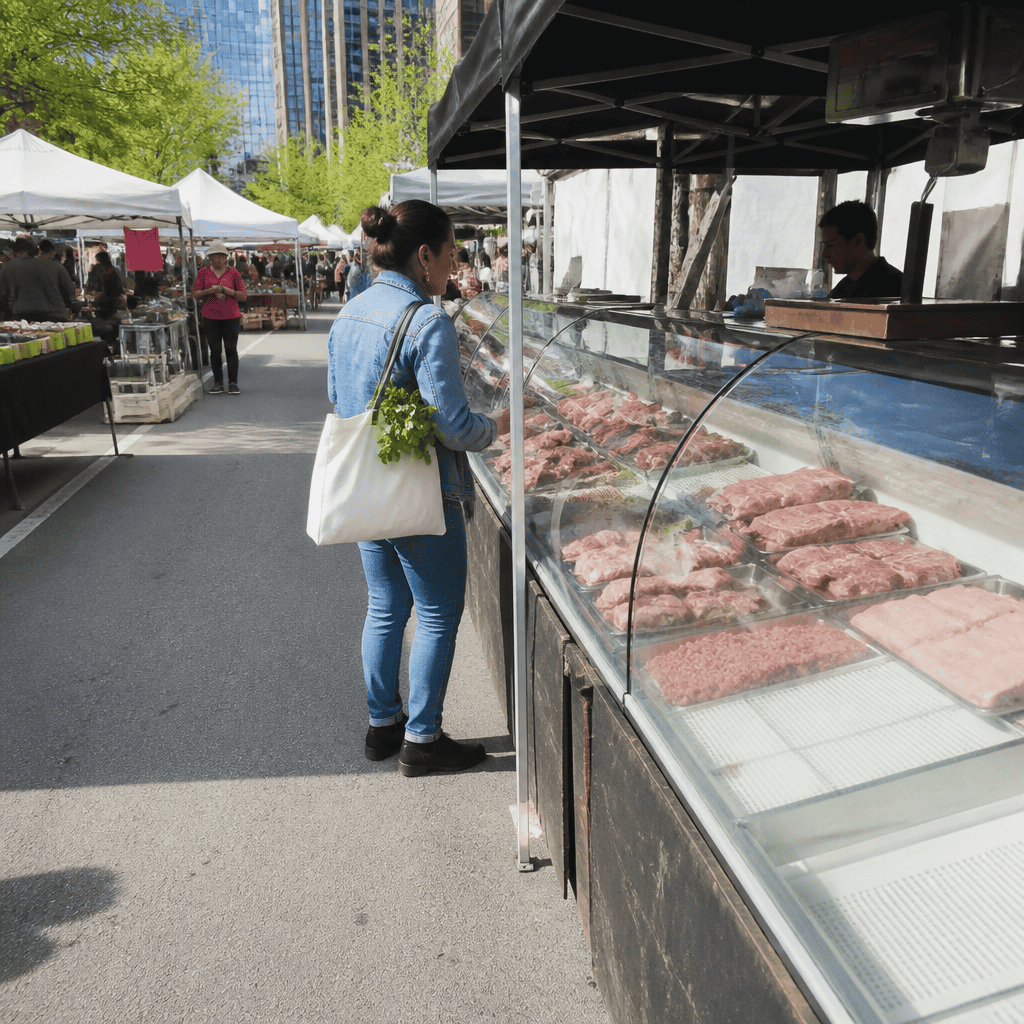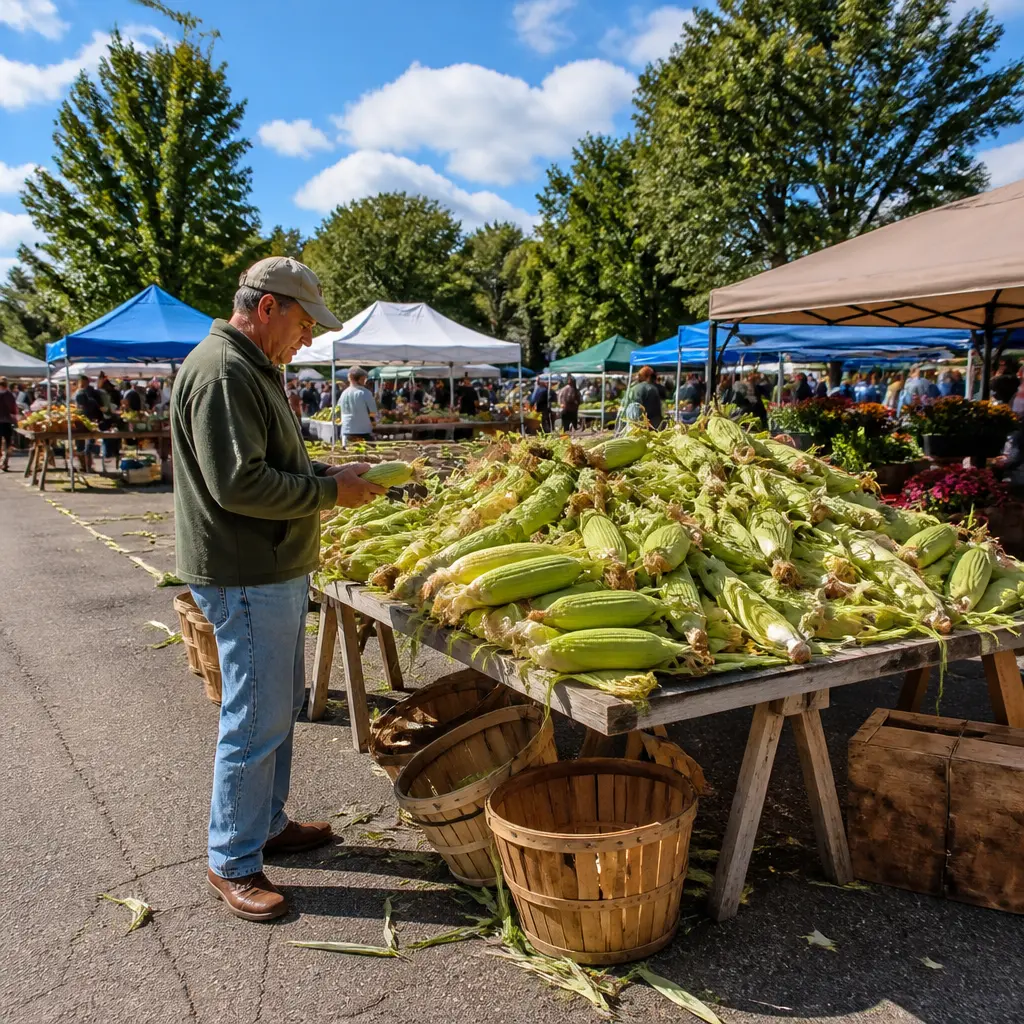
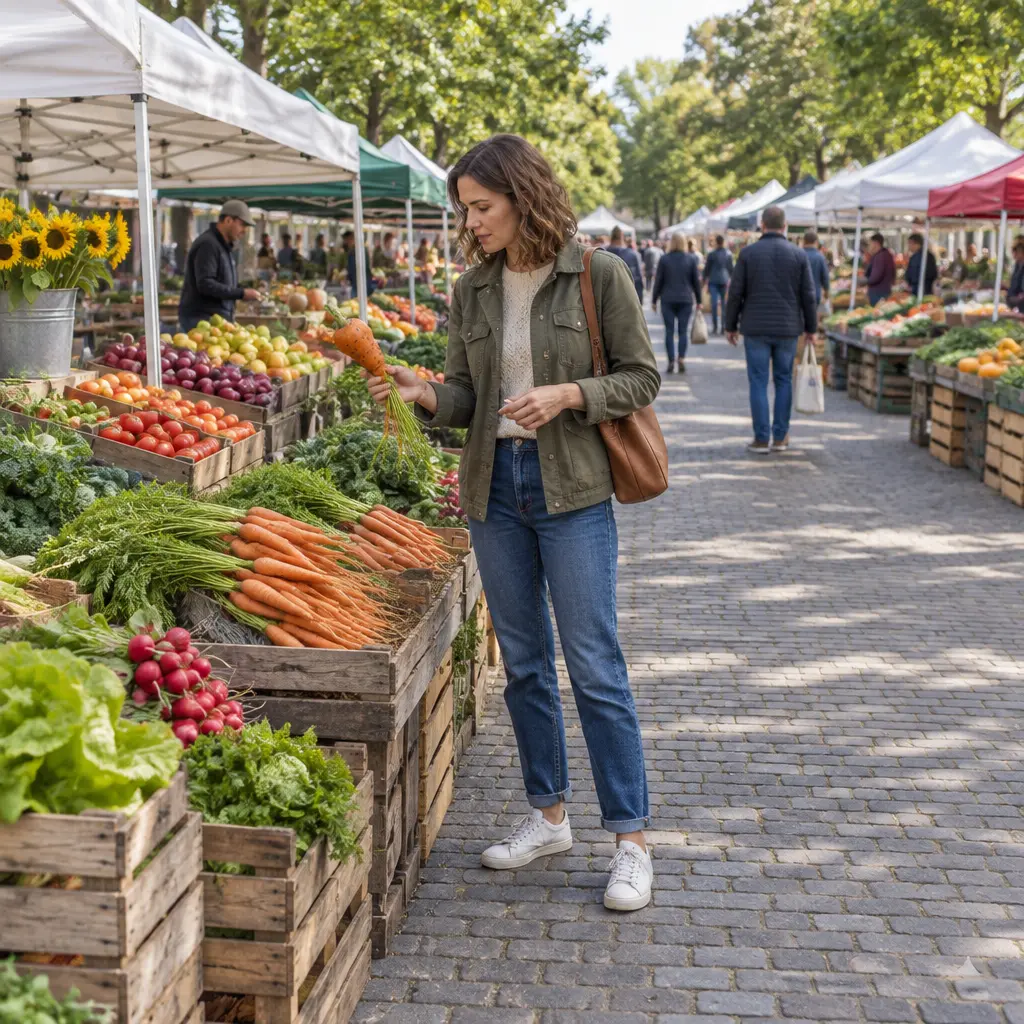
A crooked carrot or blemished apple is not automatically tastier than a perfect-looking one—but appearance and flavor are different things. “Imperfect produce” usually means fruits and vegetables that fall short of cosmetic standards because of shape, size, color, or surface marks. Those traits often have little to do with taste. In some cases, however, a misshapen fruit may be a flavorful variety, or produce sold locally at peak ripeness may taste better because it was harvested for eating rather than long-distance shipping. Understanding what cosmetic standards do—and do not—tell us helps explain the appeal of imperfect produce, the limits of the “ugly tastes better” claim, and how buying it can reduce food waste.
Imperfect Produce and Flavor: What Appearance Can—and Cannot—Tell You
“Imperfect produce” is a retail and food-system label, not a scientific flavor category. It can describe edible produce with cosmetic defects, including unusual shapes, scars, small size differences, or uneven coloring. The United States Department of Agriculture (USDA) grades produce using standards that can include appearance and condition, but grading does not amount to a taste test. The key distinction is that visual perfection is not a reliable measure of flavor: taste depends more directly on variety, growing conditions, maturity at harvest, storage, and freshness.
The issue matters beyond aesthetics. The United Nations Environment Programme’s Food Waste Index Report 2024 estimated that households wasted about 631 million tonnes of food in 2022, with food service and retail contributing additional waste. Those figures cover all foods—not just misshapen fruits and vegetables—but show why preventing edible food from being discarded is important. Imperfect-produce programs can help when they give sound food another route to consumers; they are not, by themselves, proof that an item tastes better or that all food waste is solved.
Why Imperfect Produce Can Taste Better in Certain Circumstances
Flavor is the combined sensory experience of taste and aroma, shaped by sugars, acids, aromatic compounds, texture, and ripeness. The USDA’s produce grades primarily describe quality factors such as condition, maturity, and appearance for particular commodities; they do not certify that a fruit or vegetable will be especially delicious. So a cosmetic blemish alone cannot explain better flavor. The more plausible explanation is that some imperfect-produce purchases also come with favorable factors—such as a flavorful cultivar, nearby production, or harvest timing—that can influence taste.
Cosmetic defects are different from flavor defects
A cosmetic defect affects how produce looks, while a quality or safety defect may affect its texture, taste, or suitability to eat. A crooked cucumber, forked carrot, or superficial scar may be perfectly sound. By contrast, extensive rot, leaking flesh, or mold can indicate deterioration and should not be treated as harmless “ugliness.” The USDA’s commodity standards distinguish among appearance, condition, and other quality factors, although details vary by crop. Consumers should judge each item by its actual condition rather than assuming that every blemish is safe—or that every blemish signals superior flavor.
Ripeness and harvest timing influence sweetness and aroma
Ripeness is the stage at which a crop has developed the qualities people value for eating. As fruit ripens, changes in sugars, acids, texture, and aroma can make it sweeter or more fragrant. The U.S. Food and Drug Administration explains that some produce, including bananas and tomatoes, continues to ripen after harvest, while other items do not substantially ripen once picked. Harvest and handling therefore matter, but a misshapen outline does not reveal when an item was picked. A ripe, locally sold imperfect tomato may taste better than a less-ripe, cosmetically uniform tomato because of maturity and freshness—not because it is misshapen.
Variety and growing conditions create real flavor differences
Cultivar—the cultivated variety of a crop—can have a major effect on flavor, texture, and appearance. Growing conditions, including weather, soil, irrigation, and harvest practices, also influence how produce develops. A small or unusually shaped item may come from a variety selected for flavor rather than uniform size, but appearance alone cannot establish that. For example, a farmers’ market may offer heirloom tomatoes in varied shapes and colors; their appeal comes from the variety and growing practices, not from irregularity as a flavor mechanism. Comparing varieties and tasting them is more informative than judging by looks.
How Imperfect Produce Can Reduce Waste
The strongest case for imperfect produce is often practical: edible food can be overlooked when buyers and retailers prioritize uniform appearance. Retail “wonky” boxes, direct-from-farm sales, and discounted produce sections can make such food easier to buy. These approaches address one possible source of waste—cosmetic rejection—but waste also occurs during harvesting, transport, retail, and at home. UNEP’s 2024 report estimated that roughly 19% of food available to consumers was wasted at retail, food service, and household levels in 2022. That broad estimate is not a measurement of cosmetic rejection, but it highlights the scale of the wider challenge.
Retail standards and “wonky” produce programs
Retail standards help buyers obtain consistent size, appearance, and handling characteristics, but strict cosmetic preferences can make sound produce harder to sell. Some supermarkets respond with discounted or mixed-shape lines, while farms may sell directly to customers or use cosmetically variable crops in soups, sauces, and prepared foods. These are practical examples rather than guarantees of waste reduction: the impact depends on whether the programs create additional sales and whether the food would otherwise have gone unused. Shoppers can support the approach by choosing sound, usable items and planning meals around them.
A food-safety check matters more than a perfect shape
Buying imperfect produce does not mean ignoring food safety. The FDA advises consumers to wash produce under running water before preparing or eating it, and to cut away damaged or bruised areas. Avoid produce that is visibly rotten or has signs of spoilage. Since a scar, bruise, and decay are not the same thing, use the item’s condition, odor, firmness, and storage history to make a sensible decision. For produce cut or peeled in advance, keep it refrigerated as directed on the packaging.
How to Choose Imperfect Produce for Better Eating
Choosing produce for flavor means looking beyond symmetry while still checking freshness. Consider what the item is for: a slightly irregular pepper may work well in a stew, while fruit intended for immediate eating should be at the ripeness you prefer. Ask sellers about the variety and harvest timing, compare aroma and firmness where appropriate, and store each type of produce according to its needs. For a useful taste comparison, try the same crop from different varieties or sources rather than comparing one blemished item with one perfect-looking item and attributing every difference to appearance.
- Choose produce with cosmetic irregularities when it is otherwise sound and suitable for your recipe.
- Check ripeness and freshness; shape and surface appearance alone do not predict flavor.
- Buy only what you can use, and freeze, cook, or preserve surplus before it spoils.
- Wash produce under running water and discard items that show clear signs of rot or spoilage.
Conclusion: Imperfect Produce, Flavor, and Food Waste
Imperfect produce often tastes better only when other factors—such as variety, ripeness, growing conditions, and freshness—make it better to eat. Cosmetic flaws alone do not create flavor, and a USDA grade is not a taste rating. Still, choosing sound produce that falls outside appearance preferences can help broaden what gets sold and eaten. The broader implication is simple: judge produce by its condition and intended use, not by symmetry. Try different varieties, buy what you can use, and treat imperfect-looking fruits and vegetables as a practical option—not a promise of superior taste.
Sources: United Nations Environment Programme, Food Waste Index Report 2024, https://www.unep.org/resources/publication/food-waste-index-report-2024; United States Department of Agriculture, Agricultural Marketing Service, Fruits and Vegetables Grade Standards, https://www.ams.usda.gov/grades-standards/fruits; U.S. Food and Drug Administration, Selecting and Serving Produce Safely, https://www.fda.gov/consumers/consumer-updates/selecting-and-serving-produce-safely.