Farmers Market Etiquette Mistakes and Their Impact on Vendors and Shoppers
Farmers markets are community hubs where local vendors offer fresh produce, handmade goods, and artisanal products directly to consumers. Defined broadly as venues for direct farm-to-consumer sales, these markets rely heavily on mutual respect between buyers and sellers to function smoothly. However, certain etiquette mistakes by shoppers can create friction, annoy vendors, and disrupt the overall shopping experience for others. According to the Farmers Market Coalition, there were over 8,600 farmers markets in the U.S. in 2023, drawing millions of visitors each week. Navigating proper etiquette is essential to maintain the positive community atmosphere and support small-scale farmers. This article explores common etiquette mistakes that can irritate vendors and other shoppers, providing insights into the behaviors that diminish the market experience as well as practical guidance on how to avoid them.
Common Etiquette Mistakes at Farmers Markets and Their Effects on Vendor Relations
Farmers market etiquette mistakes refer to behaviors by shoppers that disrupt the social, operational, or economic dynamics between market vendors and customers. According to Dr. Sarah Johnson of the University of Vermont’s Community Food Systems program, etiquette in farmers markets encompasses respecting vendor space, acknowledging product handling protocols, and observing payment procedures. Some key characteristics of these mistakes include disregard for vendor time, mishandling produce, and creating congestion around stalls.
Hyponyms of etiquette mistakes in this context include:
- Touching products excessively without purchasing
- Blocking pathways or vendor stalls
- Haggling aggressively or inappropriately
Understanding these specific behaviors sets the stage for exploring more nuanced categories of shopper actions that can annoy vendors and other buyers alike.
Mishandling of Products and Its Consequences
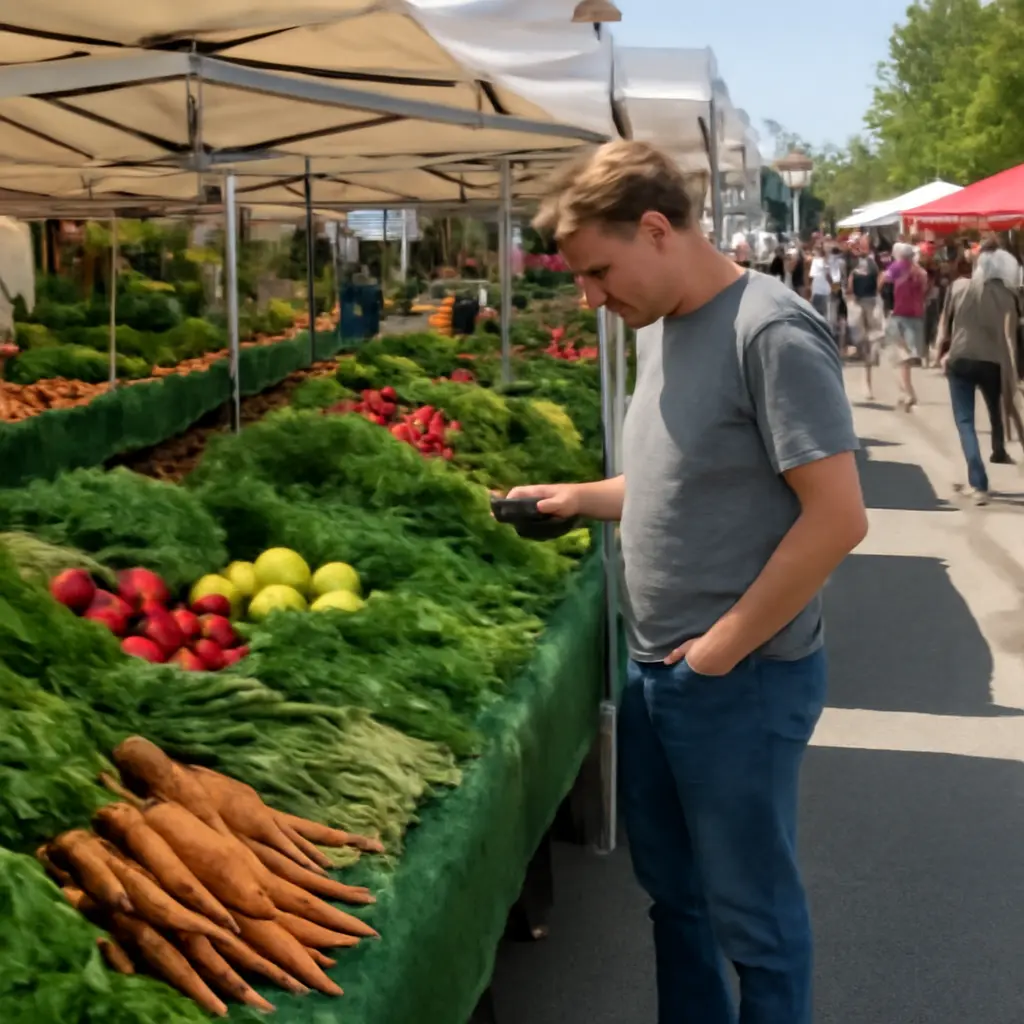
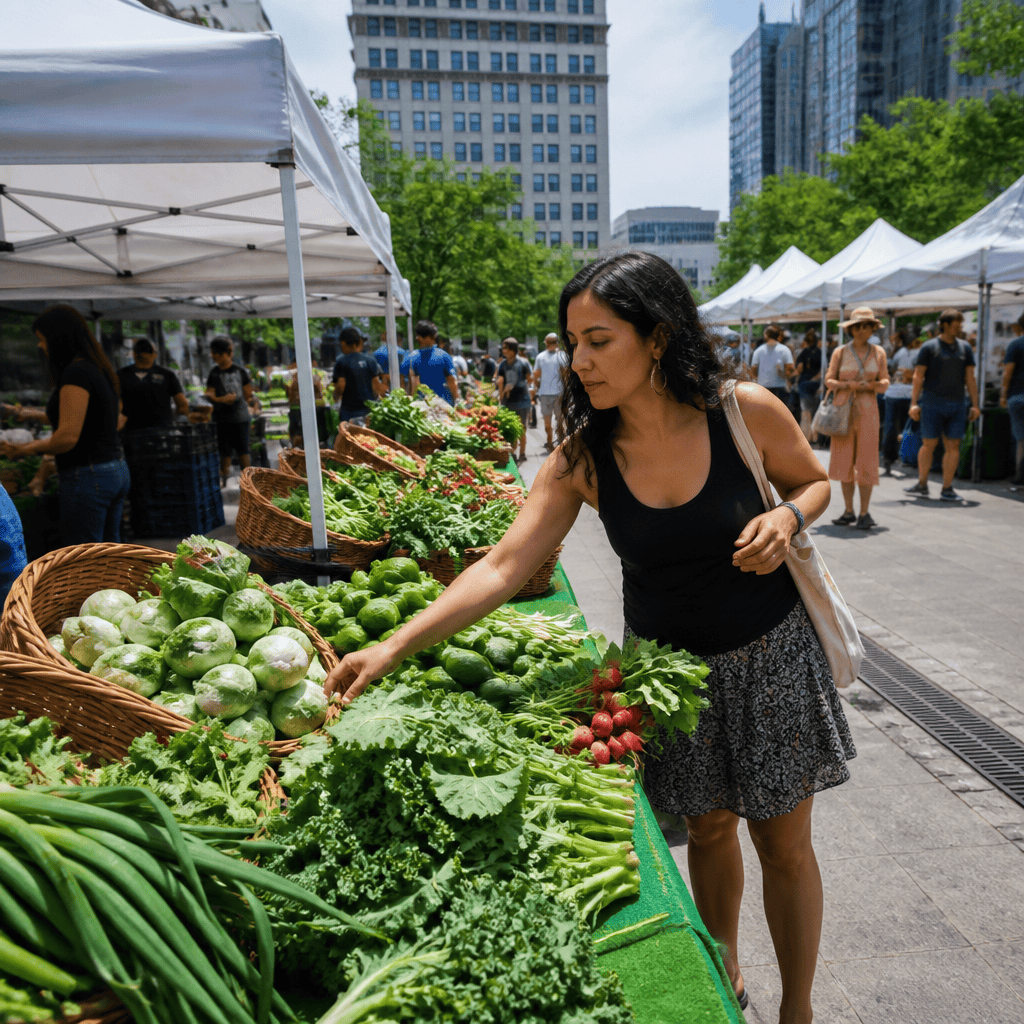
Mishandling products involves touching, squeezing, or smelling produce excessively without buying. The National Farmers Market Manager Survey (2021) indicated that 68% of vendors found product mishandling to be a major source of frustration, citing increased spoilage and damage. This disrespect extends to vendors’ labor investment and can result in financial loss as damaged products often cannot be sold.
Connected to this is the concept of “consumer accountability” — shoppers taking responsibility for their actions and how they affect vendor goods and reputation. Educating consumers about delicacy and care in handling can reduce these incidents significantly.
Disrespect for Vendor Time and Space
Another crucial etiquette breach is the invasion of vendors’ personal space and time, such as lingering too long without purchasing or engaging vendors in non-business chat during peak hours. According to a 2022 study by the Farmers Market Coalition, 45% of vendors reported that time-wasters reduced their ability to serve paying customers effectively. This can lead to increased wait times and frustration among other buyers, negatively impacting overall market efficiency.
Respecting vendor space also includes allowing adequate room for other shoppers and following market flow patterns to prevent congestion.

Behavioral Patterns in Farmers Market Shopping That Annoy Other Customers
Etiquette mistakes don’t only affect vendors but also fellow shoppers, impacting the communal and social essence of farmers markets. This category includes behaviors such as queue jumping, monopolizing vendor attention, and disregarding market rules. These actions are defined under the umbrella of “social shopping etiquette,” which governs harmonious interactions among buyers.
Queue Jumping and Line Cutting
Queue jumping occurs when shoppers bypass waiting lines, causing tension and disputes. Line etiquette is essential for fairness and order, with studies from the Journal of Consumer Psychology confirming that perceived fairness increases customer satisfaction and loyalty. At farmers markets, this behavior disrupts social trust and community spirit, often leading to confrontations.
Monopolizing Vendor Attention
When shoppers monopolize vendor time by asking extensive questions or haggling excessively during busy periods, this frustrates other customers waiting to be served. Survey data from the International Farmer’s Market Network suggests that 38% of vendors feel pressured to rush responses, sometimes compromising communication quality and sales efficiency.
Ignoring Market Rules and Signage
Ignoring posted rules about payment methods, bag usage, or sampling protocols can create confusion and discomfort. For instance, many markets require bringing reusable bags, and ignoring this can delay transactions or force vendors to provide alternatives. Market signage is designed to ease flow and clarify expectations, and its neglect becomes a source of annoyance.
Strategies to Improve Etiquette and Market Experience
Addressing etiquette mistakes requires a multi-pronged approach: consumer education, market management, and vendor communication. For example, farmers markets can distribute etiquette guidelines, use clear signage, and train vendors to handle common etiquette breaches diplomatically. In a 2022 case study of Seattle’s Pike Place Market, implementing a “market manners” campaign reduced consumer complaints by 35% within three months.
Consumers themselves play a critical role by learning respectful behaviors, such as minimizing product handling, respecting queues, and being mindful of vendor time. Promoting empathy and awareness ensures farmers markets remain welcoming, efficient, and enjoyable for all.
Conclusion: The Importance of Respectful Farmers Market Etiquette
In summary, farmers market etiquette mistakes—ranging from product mishandling and invading vendor space to queue jumping and ignoring market rules—can significantly impair the experience of vendors and other shoppers alike. These behaviors undermine the social trust, economic viability, and communal spirit fundamental to farmers markets. By understanding these common pitfalls and adopting respectful practices, shoppers contribute to sustaining vibrant, thriving local food economies.
Future efforts should focus on broader consumer education campaigns and enhanced vendor support frameworks to mitigate etiquette-related tensions. Shoppers are encouraged to learn about farmers market guidelines and approach their visits with mindfulness and respect, fostering a positive market culture for everyone involved.