Farmers Market Shopping Mistakes: Freshness Management and Cost Efficiency
Farmers markets have surged in popularity as consumers seek fresh, local, and affordable produce. Defined as community marketplaces where farmers sell directly to consumers, these venues offer freshness and quality often unmatched by conventional grocery stores. However, shoppers frequently make mistakes that compromise the freshness of their purchases and inadvertently increase costs. According to the Farmers Market Coalition, over 8,600 farmers markets operate across the United States, highlighting the need for consumer education to maximize benefit from these resources. This article explores common mistakes in farmers market shopping related to freshness and financial savings, examining characteristics of produce handling, timing, and purchase strategies to help consumers shop smarter.
Timing Mistakes in Farmers Market Freshness Preservation
Timing in farmers market shopping refers to when consumers choose to shop relative to market hours and seasonal availability. Dr. Anna Johnson, a food systems expert at the University of Vermont, defines this attribute as “a critical factor in optimizing produce freshness and minimizing waste.” Freshness declines as produce sits longer post-harvest, so timing purchases early in the market day or during peak harvest seasons significantly impacts quality and longevity.
Key characteristics of timing in this context include:
- Early market visits typically yield peak freshness as farmers restock with freshly harvested goods.
- Seasonality influences the availability and quality of specific fruits and vegetables.
- Shopping near closing times often results in reduced prices but may compromise freshness due to longer storage times.
Timing mistakes often overlap with selection errors, and understanding these aspects can guide consumers to better buying decisions. Transitioning from timing to selection considerations enhances produce freshness and cost-efficiency.
Early Shopping for Maximizing Freshness
Early shopping is defined as arriving at the market soon after it opens to gain access to the freshest produce items. Research by the Agricultural Marketing Resource Center indicates that shoppers who arrive within the first hour of market opening have a 30% greater chance of purchasing freshly harvested items. This behavior reduces the risk of spoilage and extends the shelf life of fruits and vegetables, ultimately saving money by preventing food waste.
Seasonal Awareness to Avoid Overpaying
Being aware of seasonal harvests is crucial since buying out-of-season produce at farmers markets can be both less fresh and more expensive due to transportation or storage costs. The USDA’s Seasonal Produce Guide shows that prices for in-season items can be up to 25% lower, and freshness and nutrient content are highest. Avoiding off-season purchases mitigates freshness deterioration and excess spending.
Selection Errors and Their Impact on Freshness and Cost
Selection errors pertain to how consumers evaluate and choose produce items at farmers markets. According to the National Sustainable Agriculture Coalition, proper selection involves assessing ripeness, firmness, and the absence of bruising or decay. These characteristics indicate the remaining shelf life and quality, directly influencing freshness retention and the value for money.
Selection mistakes include:
- Choosing overripe produce that will spoil quickly.
- Ignoring signs of damage that accelerate spoilage.
- Buying excessive quantities without storage plans, leading to waste.
Recognizing these errors connects logically to understanding storage mistakes, which often compound the loss of freshness and increase cost.
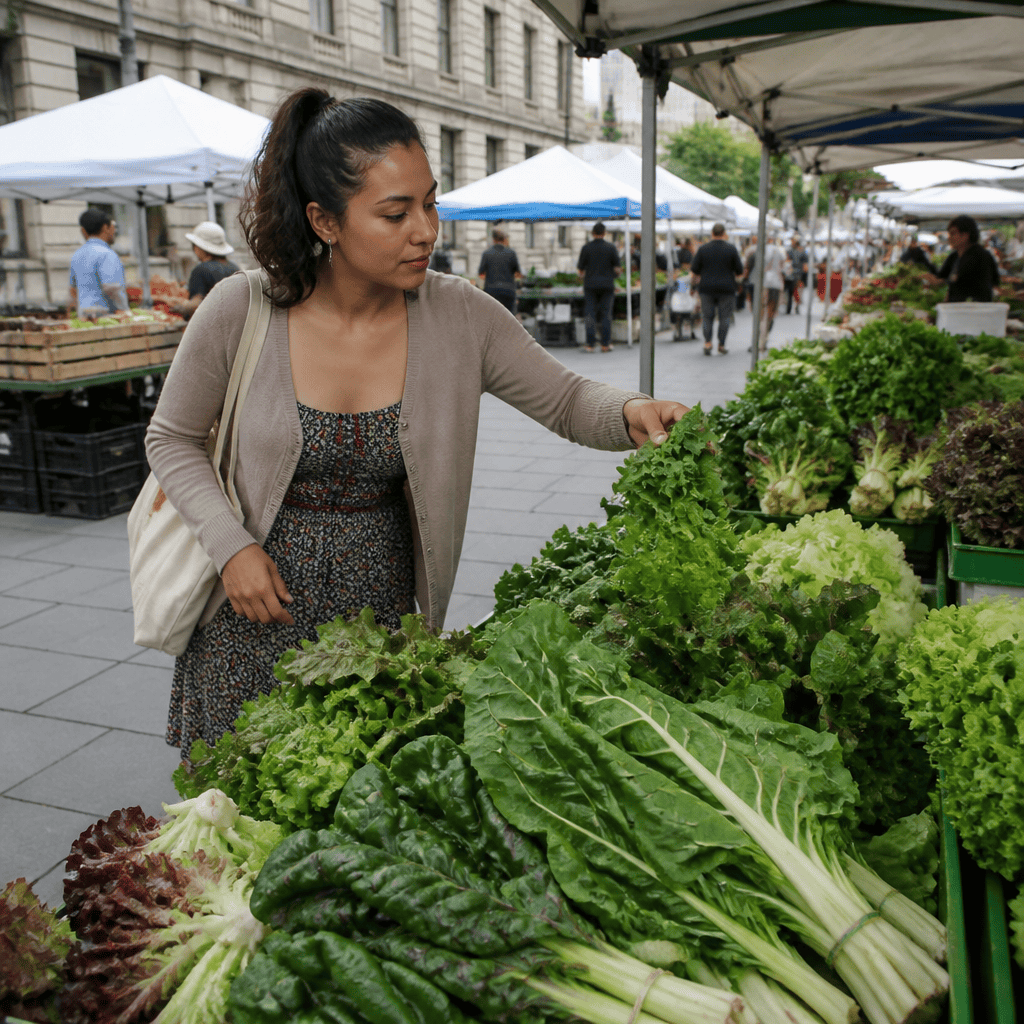
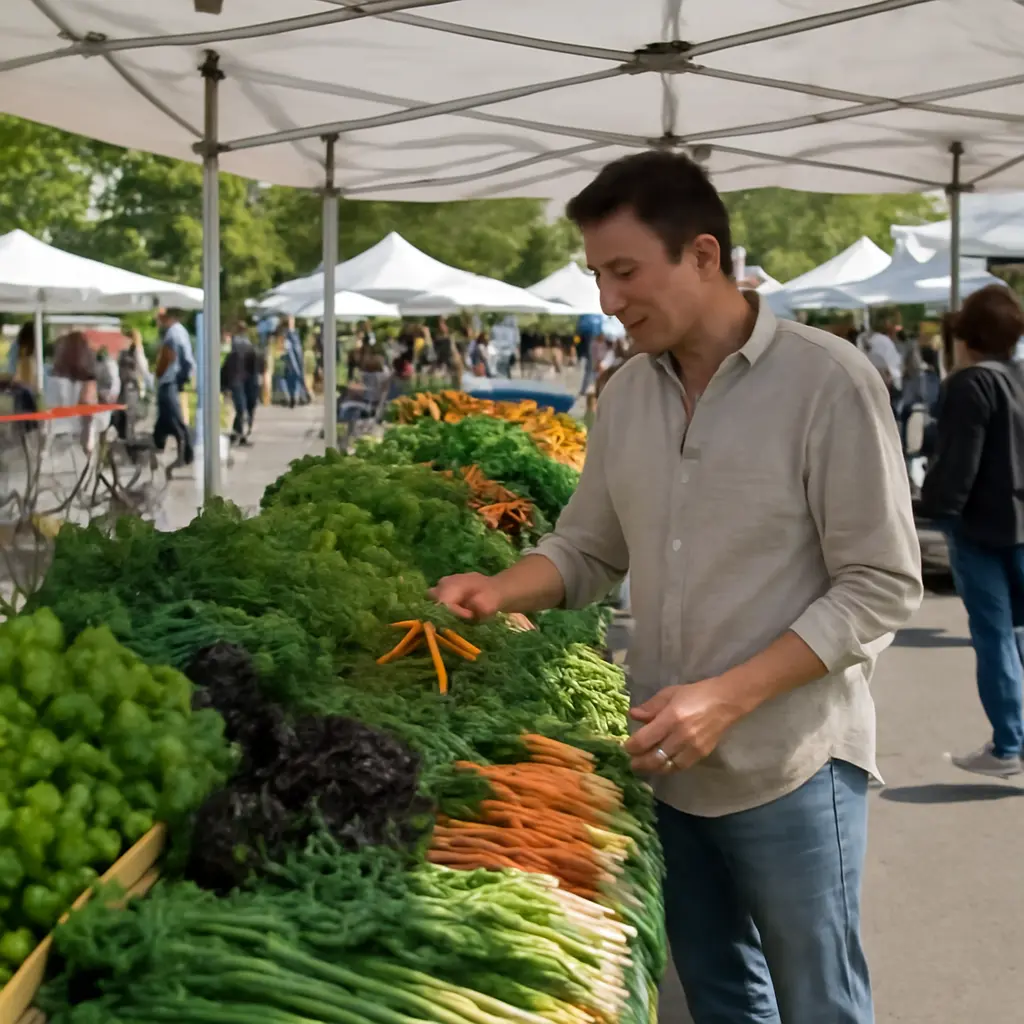
Assessing Produce Quality at Point of Purchase
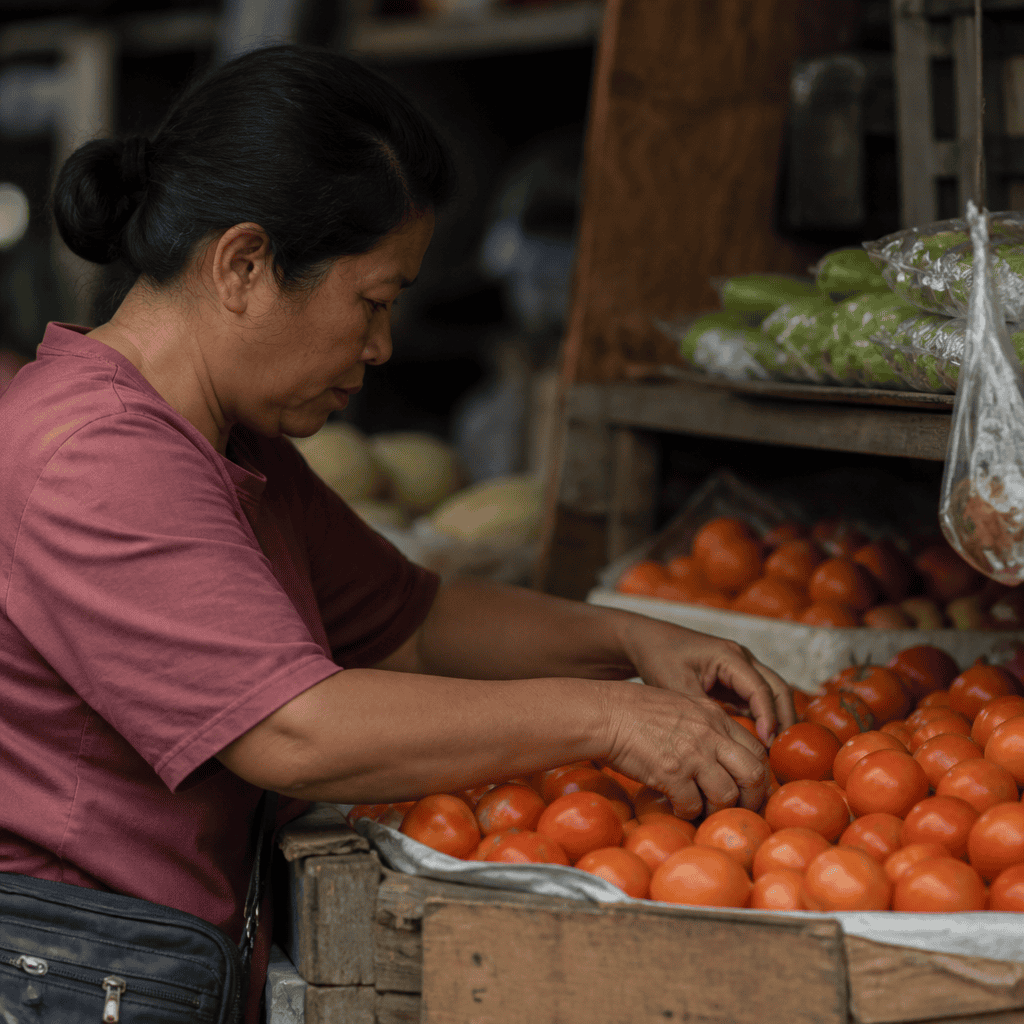
Effective selection means visually and physically inspecting produce. For example, selecting tomatoes that are firm but yield slightly to pressure indicates optimal ripeness, as stated in a study by Cornell Cooperative Extension. Shoppers should avoid blemishes and mold signs on leafy greens to ensure longevity and minimize spoilage.
Quantity Planning for Cost Efficiency
A common mistake is purchasing more produce than can be consumed within its optimal freshness window. The Natural Resources Defense Council estimates that up to 40% of food waste in US households stems from overbuying and improper storage. Planning quantities based on meal preparation and consumption rates helps reduce waste and unnecessary expenditure.
Storage and Handling Mistakes That Reduce Freshness and Increase Costs
Storage and handling after purchase determine how long produce stays fresh and flavorful. The United States Department of Agriculture (USDA) defines proper produce storage as maintaining correct temperature, humidity, and packaging to slow degradation. Mishandling or inappropriate storage can lead to premature spoilage and financial loss.
Common errors include:
- Failing to refrigerate perishable items promptly.
- Storing incompatible produce together (e.g., ethylene-sensitive items with high ethylene producers).
- Using non-breathable packaging, causing moisture buildup.
Proper storage knowledge builds on selection and timing, forming a comprehensive approach to maintain freshness and lower costs.
Temperature Control After Purchase
Prompt refrigeration of temperature-sensitive produce like berries, leafy greens, and herbs is essential. The USDA recommends keeping these items at or below 40°F (4°C) to inhibit bacterial growth and enzymatic activity. Failure to do so can reduce shelf life by days, resulting in rapid spoilage and financial loss.
Ethylene Sensitivity and Produce Storage
Ethylene gas, emitted by fruits like apples and bananas, accelerates ripening and spoilage in sensitive produce such as lettuce and cucumbers. The Produce Marketing Association highlights that improper storage proximity can reduce freshness by up to 50%. Separating ethylene producers and sensitive items during storage preserves quality and reduces waste.
Financial Impact of Farmers Market Shopping Mistakes
Shopping mistakes at farmers markets affect not only produce freshness but also consumers’ budgets. According to a 2022 report by the National Agricultural Statistics Service, average annual spending on fruits and vegetables per household is approximately $700. Waste caused by freshness loss and poor planning can eliminate 20-30% of this investment.
Understanding the financial consequences helps consumers make informed decisions, connecting back to timing, selection, and storage practices that preserve both freshness and value.
Cost Savings Through Informed Timing and Selection
Shoppers who strategically select in-season and fresh produce save money by reducing spoilage and avoiding premium prices on less fresh items. The Farmers Market Federation reports that shoppers who apply timing and selection best practices save an average of 15% on weekly produce expenditures.
Minimizing Waste to Protect Household Budgets
Reducing food waste through better storage and portion control directly translates to lower grocery bills. The ReFED Food Waste Report estimates that households can save up to $1,500 annually by adopting waste reduction strategies linked to freshness preservation.
Conclusion: Integrating Timing, Selection, and Storage to Enhance Farmers Market Shopping
Mistakes in timing, selection, and storage at farmers markets critically impact the freshness and cost-effectiveness of produce purchases. By understanding these key attributes—when to shop, how to choose quality items, and how to store them properly—consumers can substantially improve their farmers market experience. As the popularity of farmers markets continues to rise, embracing best practices can preserve nutrients, minimize waste, and save money, contributing to healthier diets and more sustainable food systems. For further guidance, consumers are encouraged to consult seasonal produce guides and local cooperative extension resources to tailor their shopping strategies effectively.