Fresh market produce can last longer on the journey home when shoppers choose sturdy items, keep delicate foods cool and shaded, separate produce that ripens quickly, and store each kind appropriately after arrival. These steps matter because heat speeds respiration and water loss, while bruising and poor temperature control can shorten quality and safety. The U.S. Department of Agriculture (USDA) estimates that 30–40% of the U.S. food supply is wasted, so careful handling from market stall to kitchen is a practical way to protect food and household budgets. This guide explains how to choose travel-ready produce, manage heat and long trips, and store purchases safely once home.
Protect produce quality during travel from the market
Produce quality during travel means preserving freshness, texture, flavor, and safety between purchase and storage or use. The USDA’s FoodKeeper guidance emphasizes that storage life depends on the food, its condition, and how it is handled; there is no single safe travel duration for every fruit and vegetable. Heat, direct sunlight, compression, and physical injury can accelerate deterioration, so the best approach is to reduce exposure and handle items gently.
Choose produce that can withstand the trip
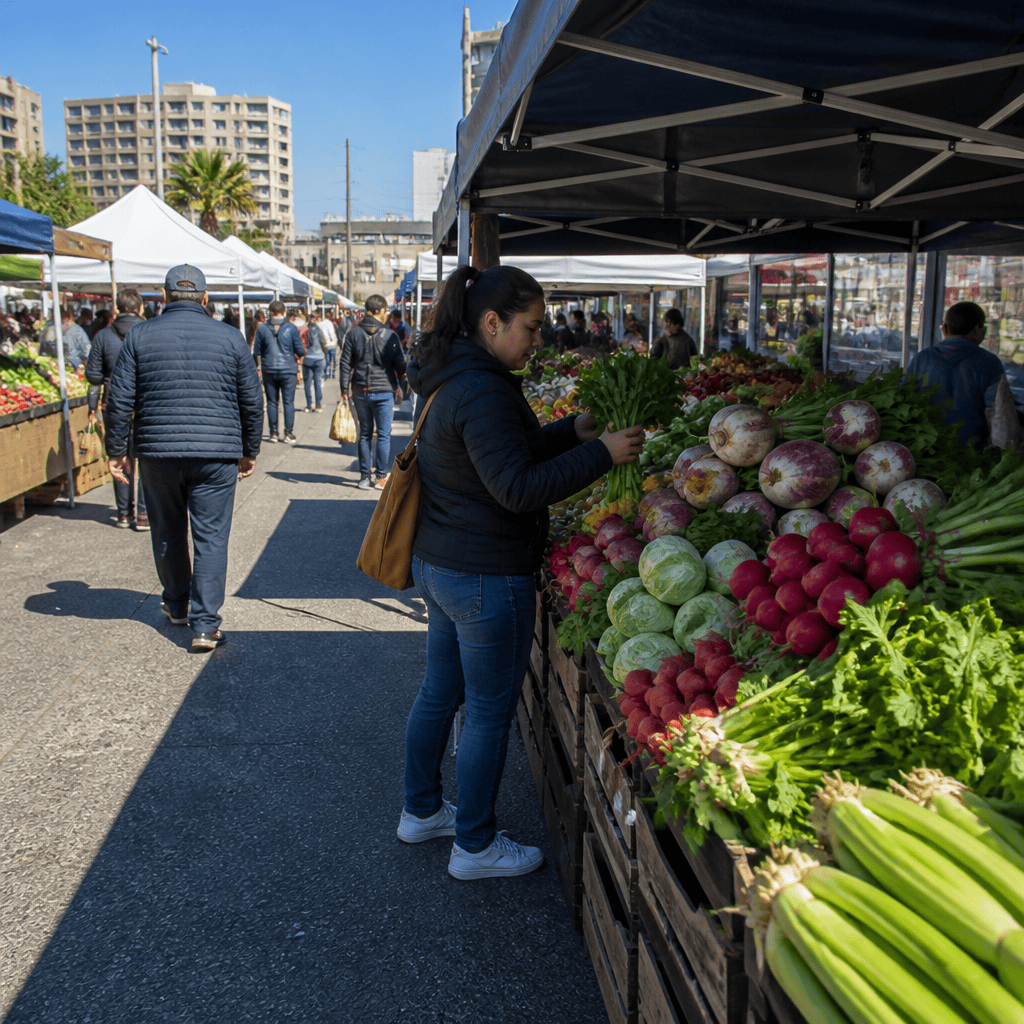
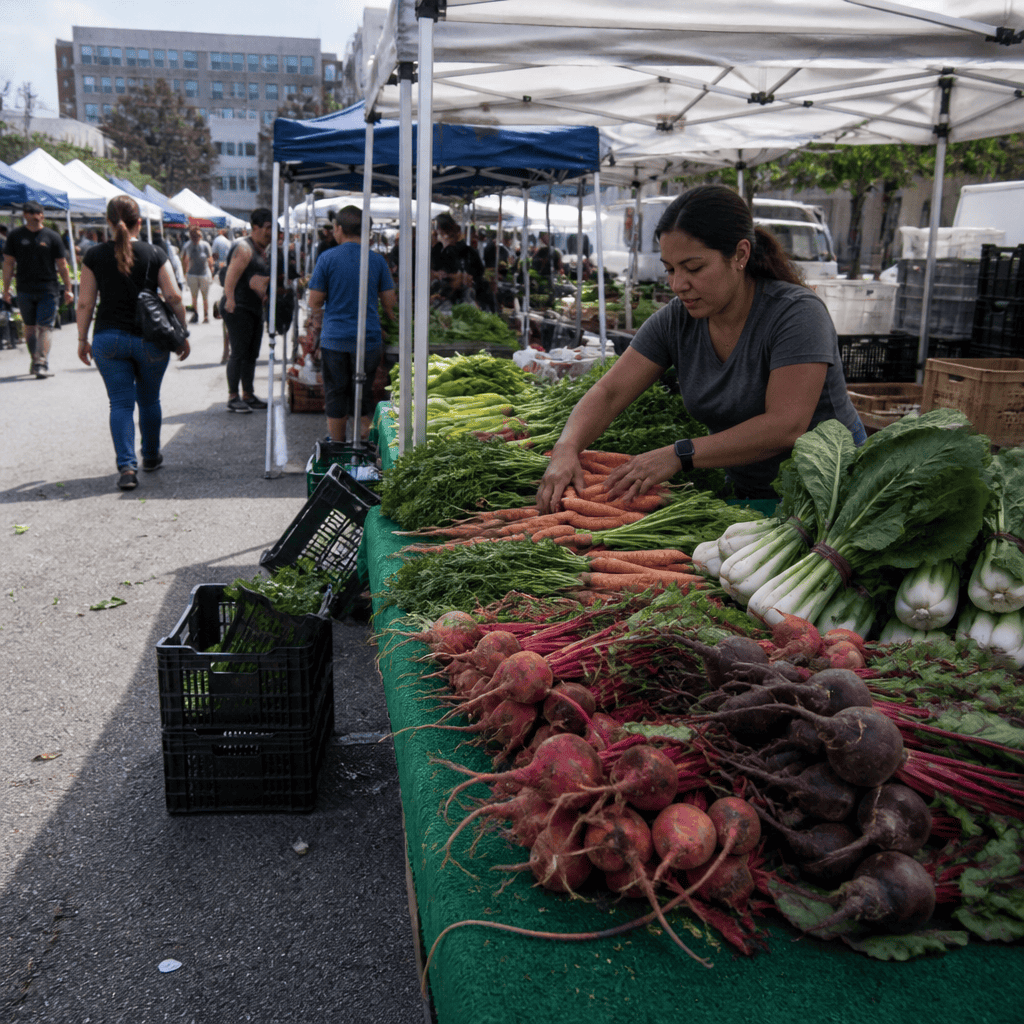
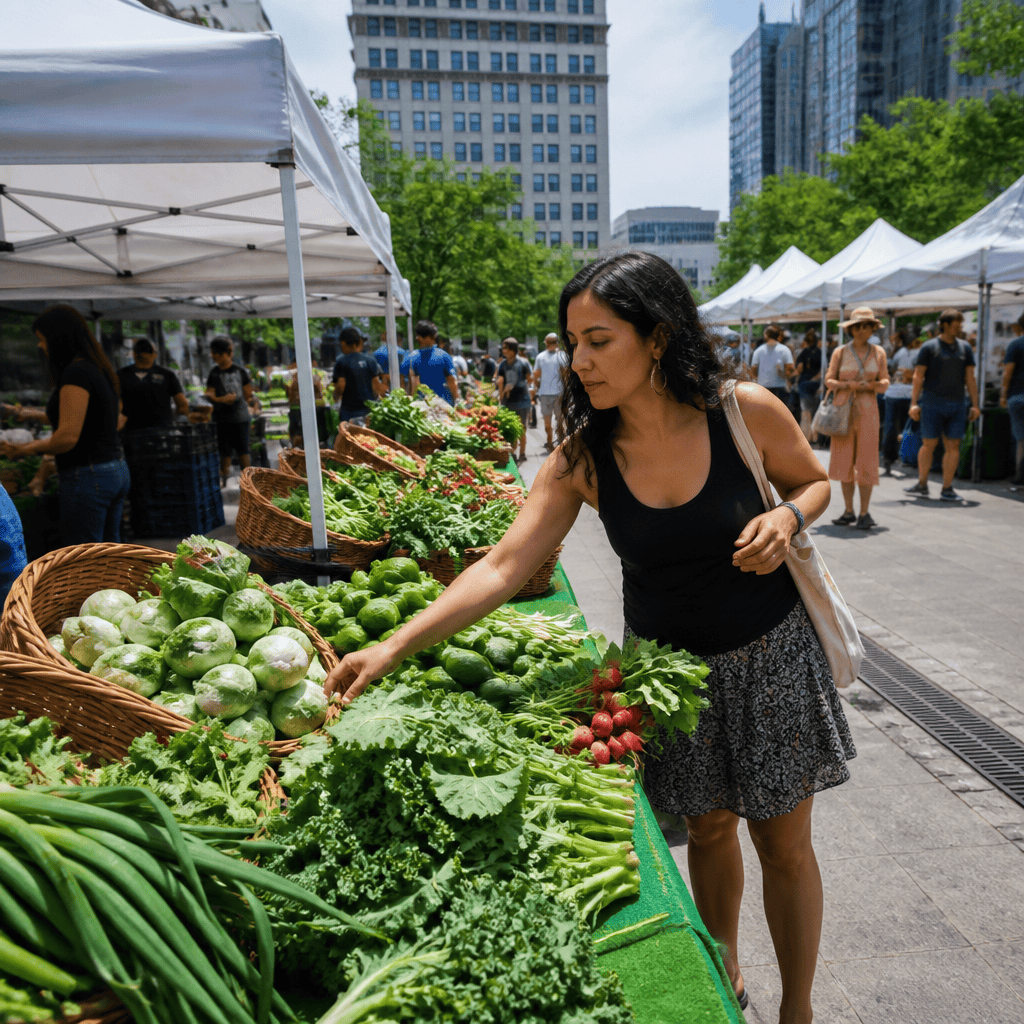
Travel-ready produce is firm, intact, and suited to the expected journey. For a long walk or warm car ride, sturdy apples, citrus, carrots, cabbage, and unripe avocados generally tolerate handling better than ripe peaches, berries, leafy greens, or soft tomatoes. Choose undamaged items without deep cuts, leaking areas, or extensive bruising. A small blemish is not automatically a safety problem, but damaged areas deteriorate faster and can spread moisture or decay to neighboring produce.
Plan the shopping order as well as the selection. Buy fragile foods near the end of the market visit, and keep them separate from heavy items. The U.S. Food and Drug Administration (FDA) advises consumers to select produce that is not bruised or damaged and to keep cut or prepared produce refrigerated. These practices are especially useful when market visits include errands before the trip home.
Pack to prevent bruising and crushing
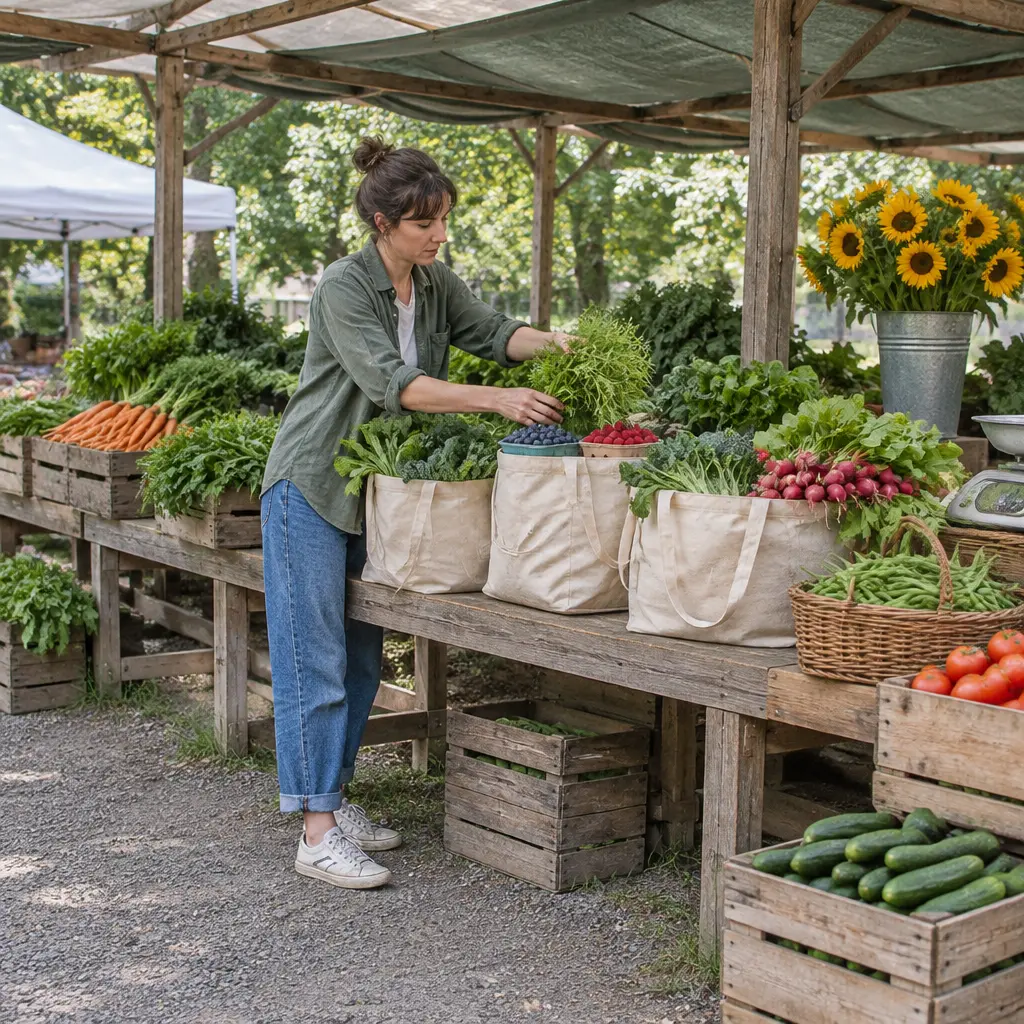
Protective packing limits pressure and friction. Put heavy items such as melons, potatoes, and squash at the bottom of a sturdy bag, then place delicate greens, berries, and ripe fruit on top. Use separate bags or containers for fragile produce, and avoid overfilling baskets so that food is not crushed when bags are carried or set down. Reusable bags should be clean and dry; bags used for raw meat or poultry should not be reused for produce unless they have been washed.
For berries and other easily damaged items, a rigid, ventilated container can reduce crushing. Do not seal warm, damp produce in an airtight container for an extended period: trapped moisture can encourage mold and deterioration. If produce is already packaged, keep it upright and avoid placing other purchases on top.
Control heat and moisture on the way home
Temperature management means keeping perishable produce out of hot environments and moving it promptly into appropriate storage. Produce continues to respire after harvest; higher temperatures generally increase the rate of respiration and moisture loss, hastening softening, wilting, and quality decline. A shaded route, insulated bag, and direct trip home can therefore make a meaningful difference, particularly in hot weather.
Use shade and insulation during hot weather
An insulated cooler or thermal bag helps slow warming, but it is not a refrigerator. Keep it out of direct sun, close it between stops, and use chilled packs when conditions warrant. Place a barrier, such as a clean cloth or the pack’s sleeve, between ice packs and delicate produce to prevent localized freezing or water damage. Do not leave groceries in a parked car: the interior can become substantially hotter than the outdoor air.
For a short walk, shade and careful packing may be sufficient for whole, intact produce. For a long journey in hot weather, prioritize keeping cut fruit, bagged salad, and other ready-to-eat refrigerated items cold. The FDA recommends refrigerating cut or peeled produce within two hours, or within one hour when the surrounding temperature is above 90°F (32°C). These time limits are useful safety guidance for perishable foods; they are not a guarantee that food left warm is safe afterward.
Keep produce dry and avoid temperature shocks
Dry handling helps limit mold and decay. Keep produce away from melting ice, wet cooler bottoms, and damp reusable bags. If items become wet, dry them before storing unless they are being washed immediately for use. Avoid repeatedly moving temperature-sensitive produce between hot and cold conditions, which can create condensation and increase surface moisture.
Not every fruit or vegetable belongs in the refrigerator. Whole onions, potatoes, and some unripe fruit are commonly kept in cool, dry, ventilated places, while leafy greens, berries, and many ripe fruits benefit from refrigeration. The University of California, Davis Postharvest Research and Extension Center provides commodity-specific guidance because storage needs differ by crop. When in doubt, consult a reliable food-storage guide for the particular item rather than treating all produce alike.
Store market produce properly after arrival
Post-trip storage is the transition from transport conditions to a suitable home environment. Sort purchases promptly, remove damaged items, and store produce according to its temperature, humidity, and ripening needs. The FDA recommends washing produce under running water before eating, cutting, or cooking, but advises against washing with soap, detergent, or commercial produce wash. Washing just before use can also avoid storing produce while wet.
Separate ripening produce from sensitive items
Ethylene is a naturally produced plant hormone that promotes ripening in many fruits. Apples, bananas, pears, and ripe tomatoes can release ethylene, while some vegetables and fruits are sensitive to it. Keeping ethylene-producing fruit apart from sensitive produce can help slow unwanted yellowing, softening, or sprouting. For example, store leafy greens away from ripe apples, and keep bananas separate from vegetables that deteriorate quickly.
Ethylene management is not a reason to isolate every item: its effect depends on the crop, maturity, temperature, and exposure. It can also be used intentionally. A shopper may place an unripe avocado near a ripe banana or apple to encourage ripening, then refrigerate the avocado once it reaches the preferred ripeness.
Refrigerate, ventilate, and check regularly
Refrigerate produce that needs cold storage, using clean crisper drawers or containers that allow appropriate airflow. Keep foods that are ready to eat separate from raw meat, poultry, and seafood to prevent cross-contamination. Store potatoes, onions, and garlic in a cool, dry, dark, ventilated area rather than in a warm, damp spot or a sealed plastic bag.
Check stored produce regularly and use the most delicate items first. Remove a decaying item so that it does not soil neighboring food, and follow package instructions for pre-cut or bagged products. The USDA FoodKeeper app and database offer storage recommendations for many foods, but actual shelf life varies with freshness at purchase, temperature, and handling.
Apply a simple plan for long market trips
A practical travel plan combines selection, packing, temperature control, and prompt storage. For example, a shopper taking public transit on a hot day can buy sturdy vegetables first, purchase berries and greens last, carry them in a shaded insulated bag, avoid leaving groceries in a vehicle, and refrigerate perishable items upon arrival. If the trip includes a prolonged stop, the shopper should prioritize cold storage for cut fruit and other refrigerated ready-to-eat foods.
- Bring clean, sturdy bags and a separate rigid container for fragile produce.
- Keep heavy purchases underneath delicate foods.
- Use shade or an insulated bag, especially in hot weather.
- Separate produce from raw meat and poultry during transport.
- Go home promptly and refrigerate items that require cold storage.
- Wash produce under running water before preparing or eating it.
These steps cannot prevent all quality loss, and they do not make spoiled food safe. Discard produce with signs of extensive decay, unusual odor, or mold that is inappropriate for the food. When safety is uncertain, follow food-safety guidance rather than relying only on appearance.
Conclusion: make every market trip count
Market produce lasts longer when shoppers choose sound items, protect them from crushing, limit heat exposure, manage moisture, and store each crop according to its needs. Shade and insulated bags help during hot or lengthy trips; separating ethylene-producing fruit can protect sensitive vegetables; and prompt refrigeration is important for cut or otherwise perishable foods. With food waste estimated by the USDA at 30–40% of the U.S. food supply, careful handling from stall to kitchen is a simple way to preserve quality and make purchases go further. Check FDA and USDA food-safety guidance and crop-specific storage advice from university extension resources when planning your next trip.
Sources: U.S. Department of Agriculture, Food Loss and Waste, https://www.usda.gov/foodlossandwaste; U.S. Department of Agriculture, FoodKeeper App, https://www.foodsafety.gov/keep-food-safe/foodkeeper-app; U.S. Food and Drug Administration, Selecting and Serving Produce Safely, https://www.fda.gov/food/buy-store-serve-safe-food/selecting-and-serving-produce-safely; University of California, Davis Postharvest Research and Extension Center, Produce Facts, https://postharvest.ucdavis.edu/produce-facts