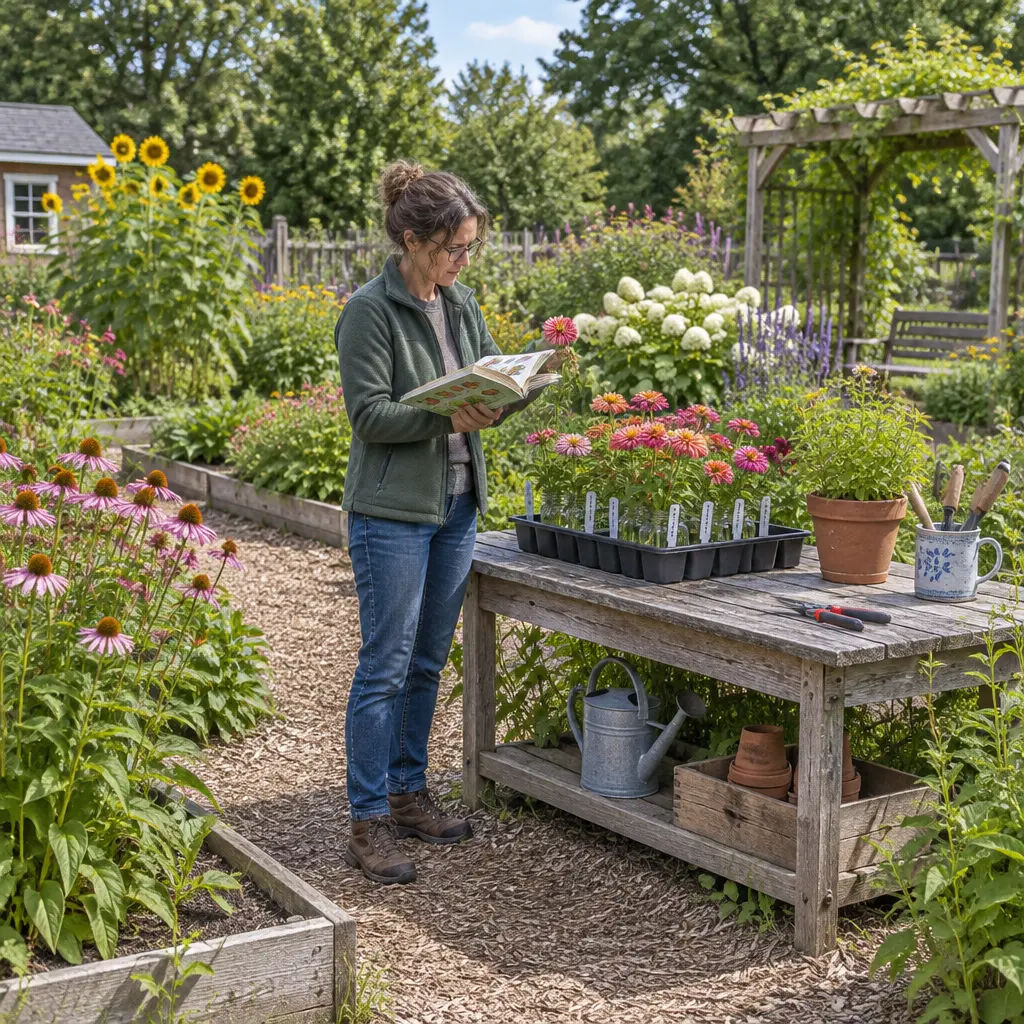
Edible flowers are flowers that can be safely eaten when correctly identified and prepared, but appearance alone cannot establish that a plant is safe. Poisonous species and harmless culinary flowers can look similar, and even an edible species may cause illness if it is contaminated, treated with pesticides, or eaten in excessive amounts. The safest approach is to verify the plant’s identity using several identifying features, consult a reliable expert or reference, and eat only flowers grown and sold for food. Poison-control data underscore the stakes: the American Association of Poison Control Centers’ annual reports record thousands of calls involving potentially toxic plants, though they do not provide a count specific to mistaken edible-flower identification. The sections below explain how to identify edible flowers, recognize risky look-alikes, handle flowers safely, and respond to a suspected exposure.
Edible flower identification depends on verified plant identity
Edible-flower identification is the process of confirming a flowering plant’s species and determining whether its particular parts are safe to eat. The U.S. Food and Drug Administration (FDA) advises consumers to avoid eating wild mushrooms or plants unless they are certain of their identity and safety. That principle applies to flowers: a common name, a photograph, color, or pleasant smell is not enough. A dependable identification considers multiple characteristics—such as leaves, stem, arrangement of petals, growth habit, and location—and checks them against a reputable botanical reference.
Safety is species- and plant-part-specific. A flower may be edible while its leaves, bulbs, seeds, or sap are not; flowers that are edible in small culinary portions are not necessarily safe to eat in large quantities. The National Capital Poison Center notes that plant toxicity can vary by species and by the amount eaten. Accordingly, a flower’s appearance should be treated as one clue in identification, not as evidence of edibility.
Confirm the botanical name, not just the common name
A botanical name identifies a plant more precisely than a common name, which can refer to different species in different regions. Before eating a flower, match its scientific name to a trusted edible-plant reference and confirm that the source describes the exact species and the exact part you intend to eat. If the name or identification is uncertain, do not taste the plant.
For example, “lily” is used for plants from several genera, not all of which are edible. Some lilies are toxic to cats, and other plants commonly called lilies can cause serious poisoning in people. The ASPCA lists true lilies in the genus Lilium and daylilies (Hemerocallis) as highly dangerous to cats; that animal-specific warning does not establish human edibility. Never infer that a flower is safe for people because an animal has eaten it—or infer human safety from a pet-toxicity listing.
Use several plant features to distinguish look-alikes
Reliable field identification compares the whole plant rather than its bloom alone. Examine leaf shape and arrangement, stem structure, flower parts, scent, height, habitat, and the season in which it grows. For edible plants, consult an authoritative field guide or a qualified botanist, extension specialist, or other knowledgeable local expert. A phone app or image search may help generate possibilities, but it should not be the final safety check.
Do not use a “taste test” to identify an unknown plant. Some toxins can harm people even in small amounts, and the absence of an immediate reaction does not prove safety. If key features are missing, damaged, or inconsistent with the reference, leave the plant uneaten.
Edible-flower selection separates food-grade blooms from hazardous ones
Edible-flower selection means choosing flowers with a confirmed identity, a known safe culinary use, and a food-safe growing and handling history. University of Minnesota Extension and other horticultural educators emphasize that flowers intended for eating should not come from plants treated with pesticides or other chemicals not approved for food crops. A flower’s species may be edible while that particular bloom is unsafe because of its growing conditions.
Common culinary examples include calendula, nasturtium, pansy, and some rose petals, but “commonly eaten” is not a blanket guarantee: cultivar, plant part, growing conditions, and individual sensitivity matter. The following categories help distinguish a verified food flower from a tempting but uncertain look-alike.
Food-grown flowers are safer than ornamental or roadside flowers
Food-grown flowers are cultivated and handled for consumption. Buy them from a food retailer or grow them using practices suitable for edible crops, and check that the seller identifies them as edible. Do not eat flowers from florists, garden centers, parks, or roadsides unless their food safety is confirmed. Ornamental plants may have been treated with pesticides or post-harvest chemicals, while roadside plants can be exposed to vehicle pollution, animal waste, or herbicides.
Wash food-grown flowers gently under clean running water and remove insects, damaged parts, and any bitter or tough structures. Washing cannot make a toxic plant safe and does not reliably remove all pesticide residues; correct identification and safe growing practices must come first.
Known edible flowers still require portion and allergy caution
A confirmed edible flower is one that has a recognized culinary use for the specific species and part being served. Use it as a garnish or ingredient in modest amounts rather than treating it as a large serving of greens. The National Capital Poison Center cautions that reactions can depend on the plant and the quantity consumed. People with pollen allergies or sensitivities to related plants should be particularly cautious, since flowers may trigger allergic symptoms.
Introduce a new edible flower in a small amount, and do not serve it to someone who cannot reliably report symptoms without first checking with a health professional. Foraged flowers also require extra caution because identification and exposure history are harder to verify.
Toxic look-alikes make flower identification a safety task
A toxic look-alike is a poisonous plant that resembles an edible species closely enough to invite mistaken identification. Similar color or flower shape can be misleading: two plants may look alike while differing in leaf arrangement, stem, growth pattern, or other diagnostic traits. The National Capital Poison Center advises people not to eat unknown plants and to seek professional guidance when a potentially poisonous plant has been consumed.
There is no complete universal list of look-alikes because the plants found in a garden or wild area vary by region. The examples below illustrate why a flower name or visual resemblance should never replace species-level verification.
Wild carrot and poison hemlock require expert-level caution
Wild carrot (Daucus carota), also called Queen Anne’s lace, has a white, umbrella-shaped cluster of small flowers. Poison hemlock (Conium maculatum) can also produce white umbrella-shaped flower clusters, creating a dangerous resemblance. Poison hemlock is highly toxic; the University of California Statewide Integrated Pest Management Program identifies it as poisonous to people and animals.
Do not use the flower cluster alone to distinguish these plants, and do not forage either plant for food without expert confirmation. Poison hemlock may have smooth, hollow stems with purple blotches, but features can vary and a mistaken identification can be fatal. If a plant cannot be confidently identified using a reliable regional guide and an expert, leave it untouched and uneaten.
Daffodils and other ornamental bulbs are not food flowers
Daffodils (Narcissus species) are attractive spring blooms but are not edible flowers. The National Capital Poison Center reports that daffodils contain toxic compounds and can cause symptoms including nausea, vomiting, and abdominal pain if eaten. The bulb is especially hazardous, but the plant should not be used as food.
A daffodil may be confused with other spring flowers or mistaken for a culinary garnish when placed beside food. Keep ornamental blooms and bulbs away from kitchens and serving dishes, and never use a flower simply because it resembles an edible one or has been sold as a decorative arrangement.
Oleander and foxglove are ornamental plants with serious toxicity risks
Oleander (Nerium oleander) and foxglove (Digitalis species) are ornamental plants, not edible flowers. The National Capital Poison Center identifies oleander as poisonous and notes that it can affect the heart. Foxglove contains cardiac glycosides, compounds that can disrupt heart function. Attractive blooms and garden availability do not make either plant suitable for cooking or garnishing.
Do not prepare teas, syrups, or infused oils from unidentified garden flowers. Concentrated preparations can deliver a larger exposure than a small garnish, and home processing does not reliably neutralize plant toxins.
Safe edible-flower handling reduces contamination and exposure
Safe handling begins only after identity and edibility are confirmed. The U.S. Centers for Disease Control and Prevention recommends basic food-safety practices such as washing produce and preventing cross-contamination. For flowers, these measures reduce dirt and some microbes, but they do not reverse a toxic identification or make chemically treated ornamentals safe.
Harvest and store flowers as perishable produce
Harvest only clean, healthy blooms from a known food-safe source. Avoid flowers with visible mold, insect damage, animal contamination, or exposure to sprays. Keep them separate from raw meat and unwashed produce, refrigerate promptly, and use them soon because delicate petals wilt and spoil quickly. Follow the same clean-hands and clean-utensil practices used for other fresh foods.
Do not assume cooking or drying removes toxins
Cooking, drying, steeping, or freezing does not reliably make an unknown flower safe. Some plant toxins remain harmful after ordinary food preparation. If the flower’s identity or edible status is uncertain, discard it rather than attempting to process it into a tea, candy, garnish, or extract.
Suspected toxic-flower exposure calls for prompt professional advice
A suspected exposure means a person or animal may have eaten or otherwise contacted a potentially toxic plant. Do not wait for symptoms if a poisonous plant may have been swallowed. In the United States, call Poison Control at 1-800-222-1222 for free, confidential guidance; call emergency services for severe symptoms such as difficulty breathing, collapse, seizure, or loss of consciousness. Outside the United States, contact the local poison center or emergency number.
Keep a sample and record what happened
If it is safe to do so, save a sample of the plant or take clear photographs of the entire plant, including leaves, stem, flowers, and where it was growing. Note the estimated amount eaten and the time of exposure. Do not induce vomiting or give home remedies unless a poison specialist or medical professional instructs you to do so.
Treat symptoms as urgent, not as an identification tool
Symptoms can vary by plant and may include nausea, vomiting, abdominal pain, dizziness, confusion, or abnormal heart rhythm. Their absence does not prove that the plant was safe, and waiting for symptoms can delay care. Call Poison Control or a health professional promptly with the plant details and exposure information.
Conclusion: verify edible flowers before serving
Edible-flower identification depends on confirming the botanical species and the specific edible plant part; safe selection also requires food-grade growing and handling. Toxic look-alikes such as poison hemlock, daffodils, oleander, and foxglove show why color, common names, and visual resemblance are not reliable safety tests. Use trusted references and qualified local expertise, avoid unidentified wild or ornamental flowers, and contact Poison Control promptly after a suspected ingestion. Before adding flowers to a meal, verify the plant, its source, and its intended culinary use.
Sources: U.S. Food and Drug Administration, Food Safety for Consumers, https://www.fda.gov/food/consumers; National Capital Poison Center, Poisonous Plants, https://www.poison.org/articles/plant; American Association of Poison Control Centers, Annual Reports, https://www.aapcc.org/annual-reports; University of Minnesota Extension, Edible Flowers, https://extension.umn.edu/flowers/edible-flowers; ASPCA, Toxic and Non-Toxic Plants, https://www.aspca.org/pet-care/animal-poison-control/toxic-and-non-toxic-plants; University of California Statewide Integrated Pest Management Program, Poison Hemlock, https://ipm.ucanr.edu/PMG/PESTNOTES/pn74162.html; Centers for Disease Control and Prevention, Food Safety, https://www.cdc.gov/food-safety/