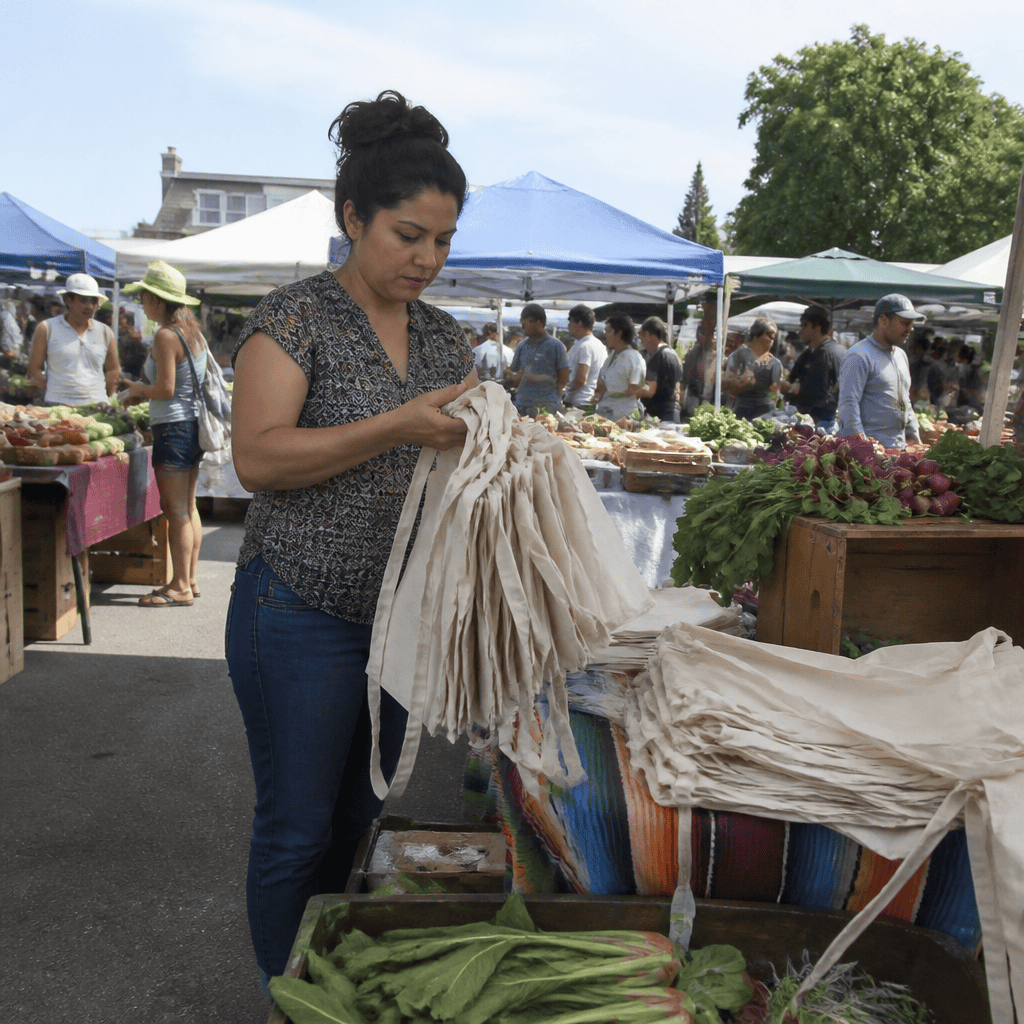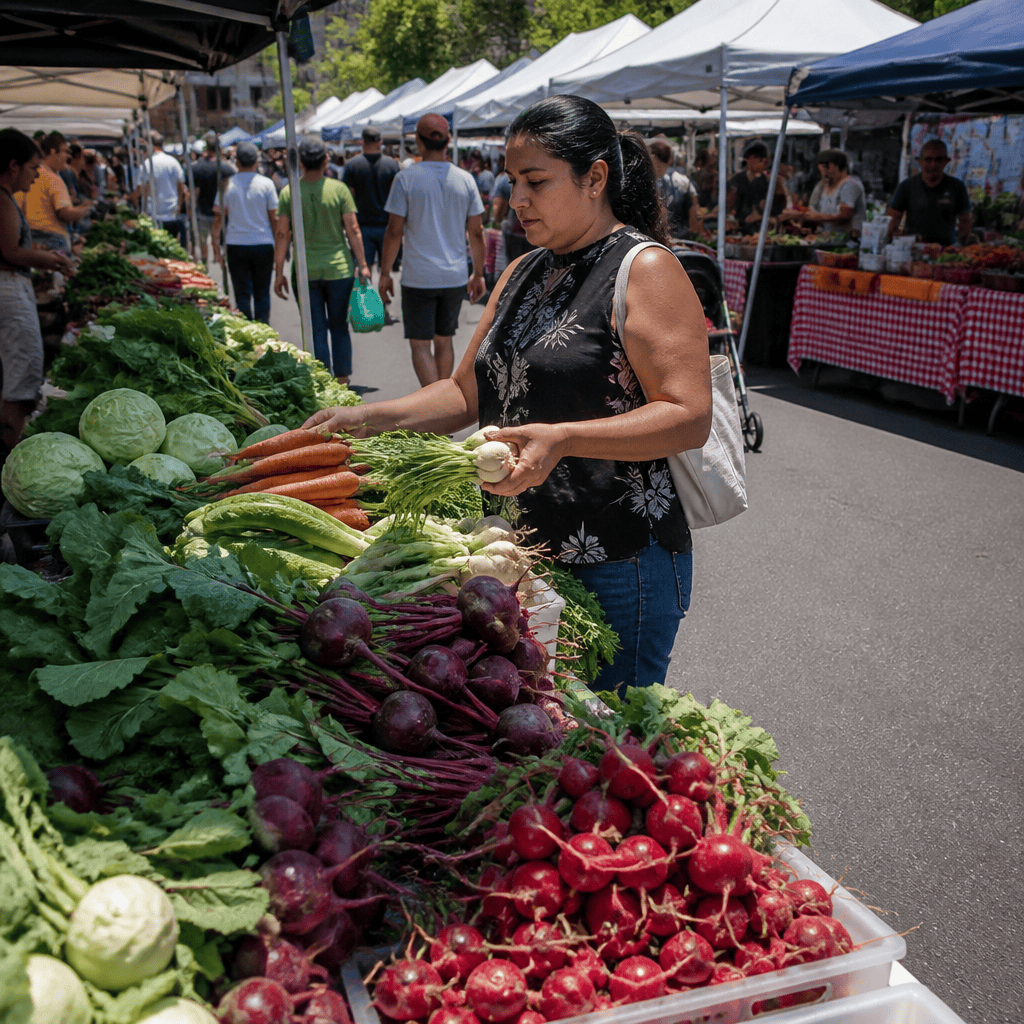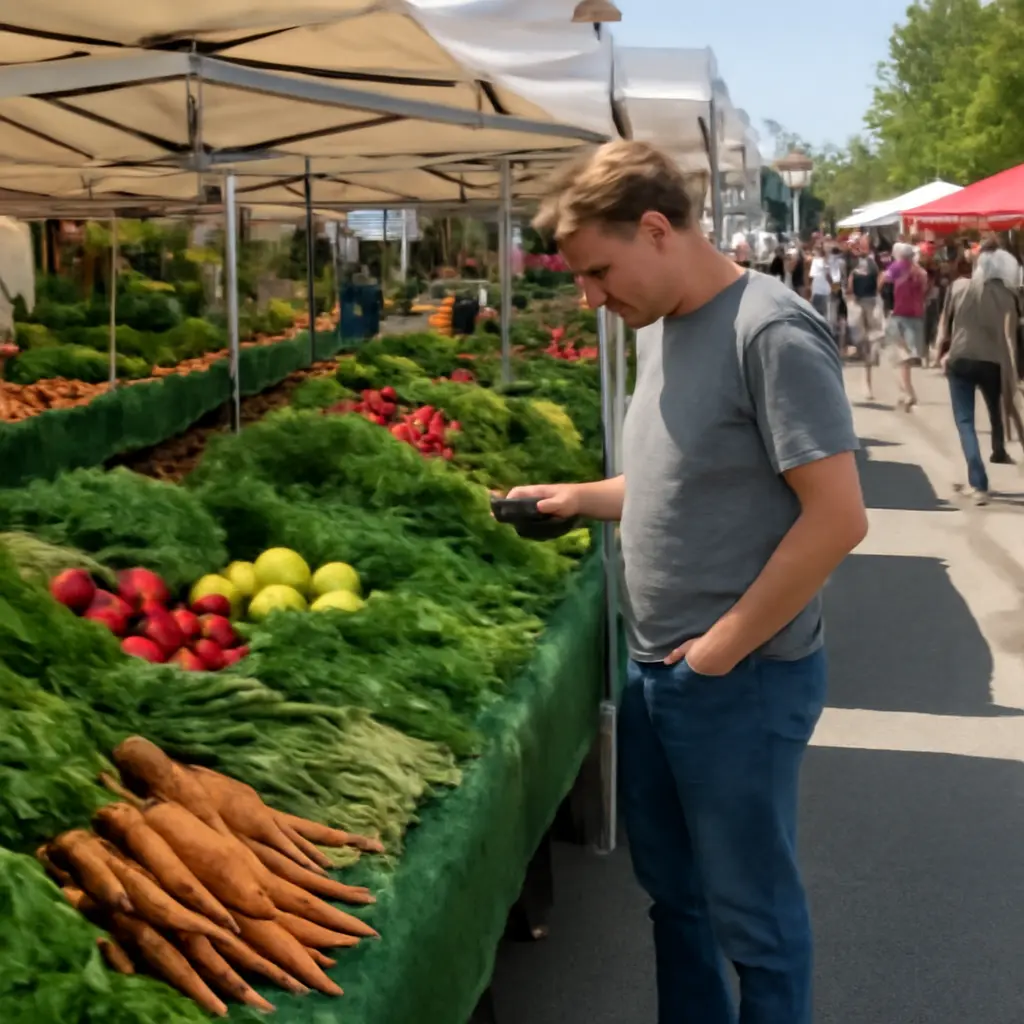
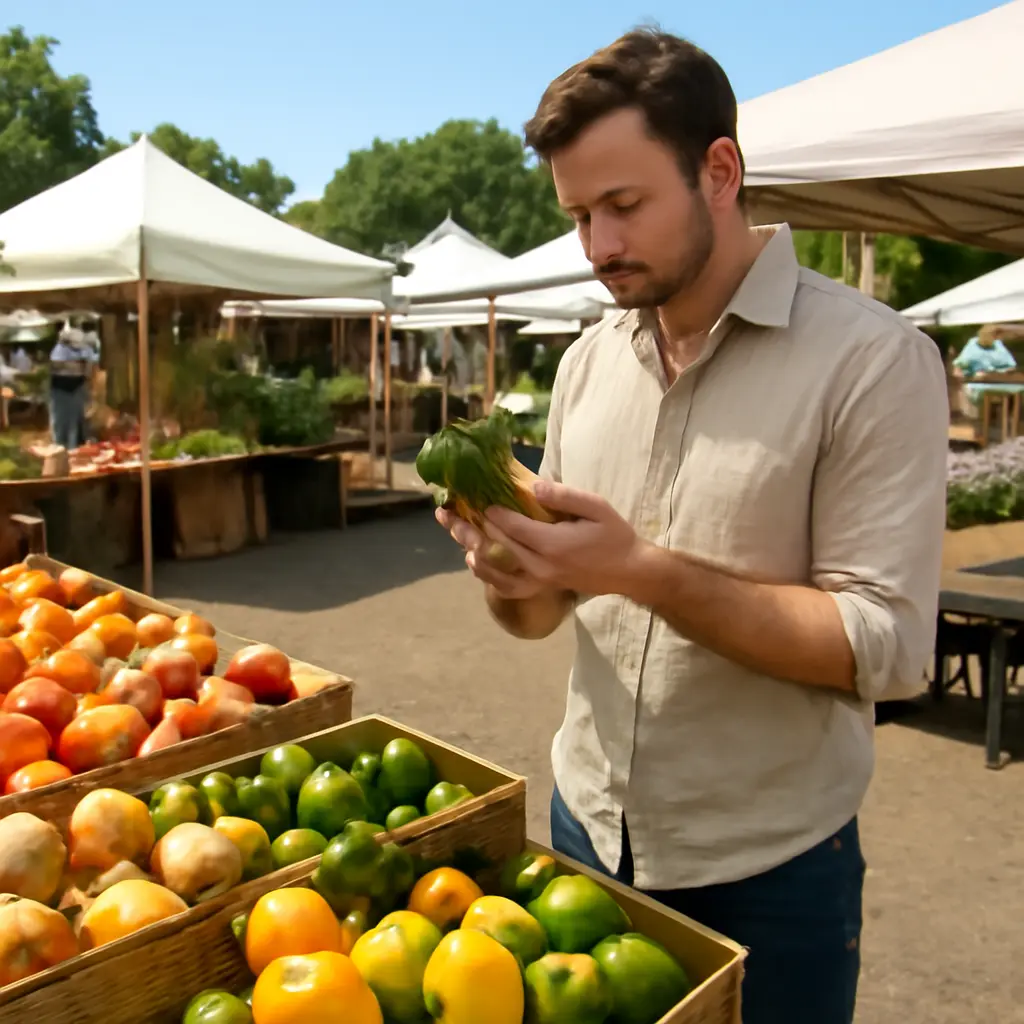
Farmers market produce is fresh fruit and vegetables sold directly by growers or vendors at local markets. To choose well, look for produce that is in season, firm for its variety, brightly colored, and free of extensive bruising, mold, or decay; then ask how it was grown, harvested, and stored. These practical checks matter because fruits and vegetables are perishable: the U.S. Department of Agriculture recommends washing produce under running water before eating or preparing it, while keeping it properly chilled when needed. The guide below explains seasonal selection, visual and tactile quality, food-safety questions, and smart ways to buy and store a market haul.
Seasonality and freshness guide farmers market produce selection
Seasonality means that a crop is harvested during the period when local growing conditions naturally support its production. The U.S. Department of Agriculture’s seasonal-produce guidance notes that availability varies by region and growing conditions, so a market’s offerings change over the year. Choosing crops that are in season can make it easier to find produce at its peak quality and to ask vendors about harvest timing. “Local” alone, however, is not a guarantee that an item was picked that day or handled safely.
Use the season and the harvest date as clues
A seasonal crop is one that is typically harvested locally at a particular time of year. Ask the grower, “When was this picked?” and “How should I store it?” The answers help you compare similar-looking produce and plan when to eat it. A leafy bunch that was harvested recently may be a better choice than one that has wilted, while a storage crop such as a winter squash can remain sound for much longer. Harvest schedules differ by climate, so use a regional crop calendar as a guide rather than treating any single month as universal.
Recognize produce varieties and normal variation
Farmers markets may offer heirloom, hybrid, and less-common varieties that differ in size, shape, color, and texture. Appearance should be judged against the variety, not against a uniform supermarket ideal. A curved cucumber or unusually colored tomato may be perfectly sound; soft, leaking, or moldy spots are stronger warning signs. If you are unfamiliar with an item, ask how it tastes, whether it is ready to eat, and how the vendor recommends preparing it.
Quality checks help shoppers judge farmers market produce
Produce quality is the combination of condition, maturity, freshness, and suitability for its intended use. The USDA Agricultural Marketing Service publishes grade standards for many fruits and vegetables, but market shoppers can use simple sensory checks without expecting every item to look identical. Check the whole item, including the underside and any leaves or stems, and handle it gently. Select produce that feels appropriate for its type and shows no signs of active decay.
Inspect color, skin, and visible damage
Color can indicate maturity, but the ideal shade depends on the crop and variety. Look for characteristic color rather than perfection: a ripe tomato should show the color typical of its variety, while greens should generally look lively rather than yellowed. Avoid produce with extensive bruising, deep cuts, leaking, fuzzy mold, or wet, collapsing areas. Small superficial marks do not necessarily mean the food is unsafe; trim minor damage and discard produce that is moldy or rotting.
Feel firmness and check aroma appropriately
Firmness is a useful quality clue when it matches the crop’s normal texture. A ripe peach may yield slightly to gentle pressure, while a crisp pepper should feel firm. Do not squeeze delicate fruit: repeated handling can bruise it and reduce quality for other shoppers. A pleasant, characteristic aroma can help assess some ripe fruit, but lack of fragrance is not a reliable safety test. When uncertain, ask the grower how the item should feel when ripe.
Match ripeness to when you plan to eat
Ripeness is the stage at which produce is ready to eat, and it is not the same as freshness. Buy ready-to-eat fruit for immediate use, or choose firmer items if you need time for them to ripen at home. Some produce continues to ripen after harvest, while other crops do not meaningfully sweeten once picked. Ask the vendor about the specific variety rather than relying on a general rule. Buying only what you can use promptly can also reduce household food waste.
Food-safety practices protect farmers market produce quality
Food safety means preventing contamination and limiting conditions that allow harmful microorganisms to grow. The U.S. Food and Drug Administration advises consumers to wash produce under running water before eating, cutting, or cooking it, even when the skin will be removed; do not use soap or detergent. Washing cannot remove every hazard, so clean hands, utensils, and preparation surfaces matter too. A farmers market setting does not remove the need for the same careful handling used for produce from any retailer.
Ask practical questions about growing and handling
Vendors can often explain whether produce was grown on their farm, when it was harvested, and how it has been stored. These questions help you understand freshness and handling, but terms such as “natural” or “pesticide-free” do not by themselves establish a particular certification or food-safety standard. If a vendor makes a production claim that matters to you, ask what the claim means and whether a formal certification applies. The USDA Organic label is governed by federal standards; not every small producer is certified, and lack of certification alone does not establish how a crop was grown.
Keep raw produce separate and wash it safely
Separation and washing reduce opportunities for contamination to spread. Keep produce apart from raw meat, poultry, and seafood in shopping bags, refrigerators, and preparation areas. Before eating or preparing it, rinse under clean running water and rub firm produce with your hands or a clean produce brush. Remove damaged outer leaves from leafy vegetables. The FDA also recommends drying produce with a clean cloth or paper towel, which can further remove surface dirt and moisture.
Manage temperature and storage time
Temperature management slows deterioration for many perishable crops. Refrigerate cut or peeled produce and items that require chilling, and follow the vendor’s storage advice because some fruit and vegetables are sensitive to cold. The USDA recommends refrigerating perishable foods within two hours, or within one hour when exposed to temperatures above 90°F. At the market, keep chilled items cool on the trip home, especially in hot weather. If produce is cut at a stall, choose vendors who keep it protected and appropriately chilled.
Buying and storing farmers market produce reduces waste
A successful market purchase balances quality, quantity, price, and planned use. Because fresh produce can lose quality quickly, buying a realistic amount and storing it correctly can matter as much as selecting it. The U.S. Environmental Protection Agency identifies food as a major component of municipal solid waste, underscoring the value of preventing edible food from being discarded. A short meal plan and a flexible approach to unfamiliar crops can help turn a market visit into meals rather than waste.
Plan purchases around meals and household size
Before shopping, check what is already at home and estimate how much your household can use before quality declines. Buy delicate greens and ripe berries for near-term meals, then choose sturdier crops for later in the week. If a large bunch or bag is more than you need, ask whether the vendor sells smaller quantities or whether a neighboring shopper would like to split a purchase. Try one unfamiliar item at a time and ask for a preparation suggestion.
Store each crop according to its needs
Storage needs vary: some produce keeps best in the refrigerator, while certain fruits and vegetables are better kept at room temperature until ripe. Separate items that may affect one another’s ripening, and avoid trapping excess moisture around delicate leaves. Remove ties or packaging that crushes greens, but retain protective packaging when it prevents drying. When you get home, sort the haul, refrigerate items that need chilling, and use the most fragile produce first.
Use visual reminders to guide selection
A simple chart can help shoppers compare the main checks at a glance:
- Season: Ask whether the crop is currently being harvested locally.
- Condition: Look for characteristic color and avoid extensive decay, mold, or leaking.
- Texture: Use gentle pressure only when appropriate for the crop.
- Ripeness: Match firmness and maturity to your intended eating date.
- Handling: Ask about harvest timing, storage, and any production claims you want to verify.
- Safety: Keep produce clean, separate from raw animal products, and chilled when required.
This checklist is a practical text-based chart, not a grading standard: variety, growing conditions, and intended use all affect what a good specimen looks and feels like.
Conclusion: Choose farmers market produce with confidence
The best approach to farmers market produce combines seasonality, variety-aware quality checks, sensible questions for growers, and safe handling at home. Look for sound condition rather than cosmetic perfection, choose ripeness that fits your plans, and store each crop appropriately. These habits can improve the eating experience, support informed purchasing, and reduce avoidable waste. On your next visit, ask what was harvested recently, buy an amount you can use, and consult USDA and FDA produce guidance for further food-safety advice.
Sources: U.S. Department of Agriculture, Seasonal Produce Guide, https://snaped.fns.usda.gov/resources/nutrition-education-materials/seasonal-produce-guide; U.S. Department of Agriculture, Agricultural Marketing Service, Fruit and Vegetable Grade Standards, https://www.ams.usda.gov/grades-standards; U.S. Food and Drug Administration, Selecting and Serving Produce Safely, https://www.fda.gov/consumers/consumer-updates/selecting-and-serving-produce-safely; U.S. Department of Agriculture, Food Safety and Inspection Service, Refrigeration and Food Safety, https://www.fsis.usda.gov/food-safety/safe-food-handling-and-preparation/food-safety-basics/refrigeration; U.S. Department of Agriculture, National Organic Program, https://www.ams.usda.gov/about-ams/programs-offices/national-organic-program; U.S. Environmental Protection Agency, Sustainable Management of Food, https://www.epa.gov/sustainable-management-food