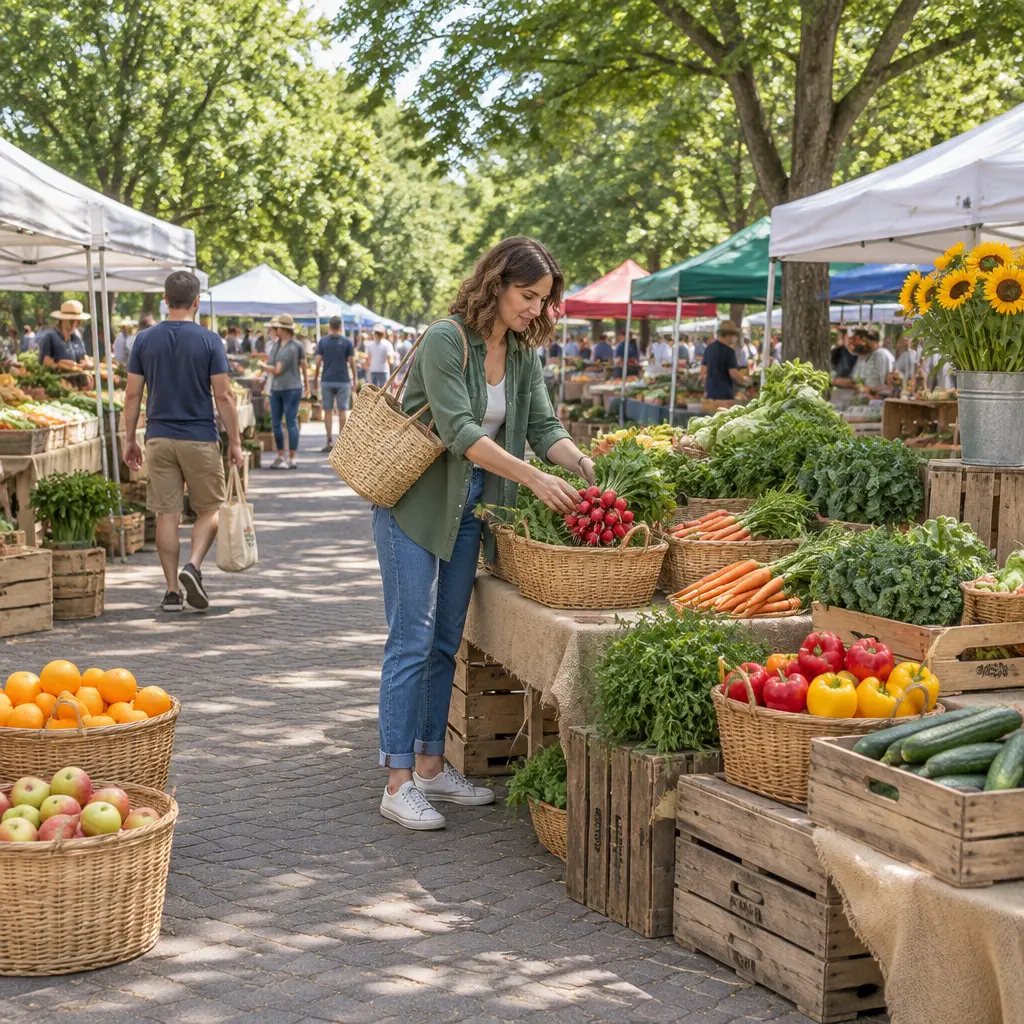
Seasonal produce mastery is the practical ability to choose, plan, store, and cook fruits and vegetables according to what is being harvested nearby and when. Aligning meals with regional harvest cycles can improve freshness, expand variety, and make shopping more responsive to local conditions—but “in season” depends on geography, weather, crop variety, and whether produce is grown outdoors or in protected facilities. This guide defines seasonal planning, explains harvest calendars and sourcing, and offers a flexible method for turning regional availability into everyday meals.
Seasonal produce planning connects harvest timing with meal planning
Seasonal meal planning means organizing meals around the crops that are being harvested or are readily available in a particular place and period. The U.S. Department of Agriculture’s seasonal produce guidance emphasizes that availability varies by location and growing conditions; a single national calendar cannot reliably describe every region. The term also covers related practices such as buying directly from farms, preserving a surplus, and adapting recipes to substitute one crop for another.
The value is practical as well as culinary. A harvest-aware plan can help households use produce while it is abundant, reduce dependence on a fixed list of ingredients, and introduce more variety across the year. It does not automatically guarantee a smaller environmental footprint or lower cost: transport, storage, production methods, and local prices matter. The useful starting point is therefore a regional calendar checked against what growers and markets actually have.
Regional harvest cycles
A regional harvest cycle is the recurring sequence in which local crops mature and become available. Climate, elevation, rainfall, frost dates, soil, and crop selection all shape that sequence. In many temperate areas, leafy greens and peas appear in spring, berries and stone fruit peak in summer, and apples, squash, and root vegetables are common in autumn. These are broad patterns, not guarantees; heat waves, drought, late frosts, and differences between coastal and inland farms can shift harvest dates.
Seasonality and availability are not identical
A crop can be in its local outdoor harvest season while also being available year-round through imports, cold storage, or greenhouse production. Conversely, a crop may be grown nearby but not yet ready to harvest. The USDA’s FoodData Central and seasonal produce resources can help identify foods and nutrition information, while local farmers’ markets, extension services, and farm newsletters provide more immediate clues about regional supply. Treat “local,” “fresh,” and “in season” as related but distinct descriptions.
Harvest calendars translate regional availability into usable choices
A harvest calendar is a planning reference that maps crops to their typical availability by month or season. It is most useful as a guide rather than a promise: the National Center for Appropriate Technology’s seasonal food resources and state cooperative extension offices explain how climate and production practices affect local timing. A calendar can help shoppers anticipate options, but current market signs and growers’ updates should take precedence when conditions change.
Build a calendar for your growing region
Start with a state or regional crop calendar, then compare it with what nearby farms and markets report. Record the first appearance, peak abundance, and last weeks of availability for a few crops your household enjoys. This turns a generic season list into a useful local record. For example, a high-elevation community may see a later berry season than a nearby lowland area, even within the same state.
Use peak abundance as a planning signal
Peak season is the period when a crop is harvested in substantial quantities locally. Abundance can offer more choice and may coincide with promotional prices, though neither price nor quality is guaranteed. When a crop is plentiful, plan more than one use: serve it fresh, cook it into a meal, and preserve some if safe storage methods are available. This approach connects a calendar’s information to realistic household routines.
Regional sourcing links meal plans to farms and markets
Regional sourcing means obtaining food through nearby producers, farmers’ markets, community-supported agriculture (CSA) programs, or other local outlets. The USDA’s Agricultural Marketing Service tracks farmers’ markets and local food marketing, while the USDA National Agricultural Statistics Service documents the broader structure of U.S. agriculture. These resources show why “local” has no single universal distance threshold: definitions vary by program, institution, and consumer.
Farmers’ markets and direct purchases
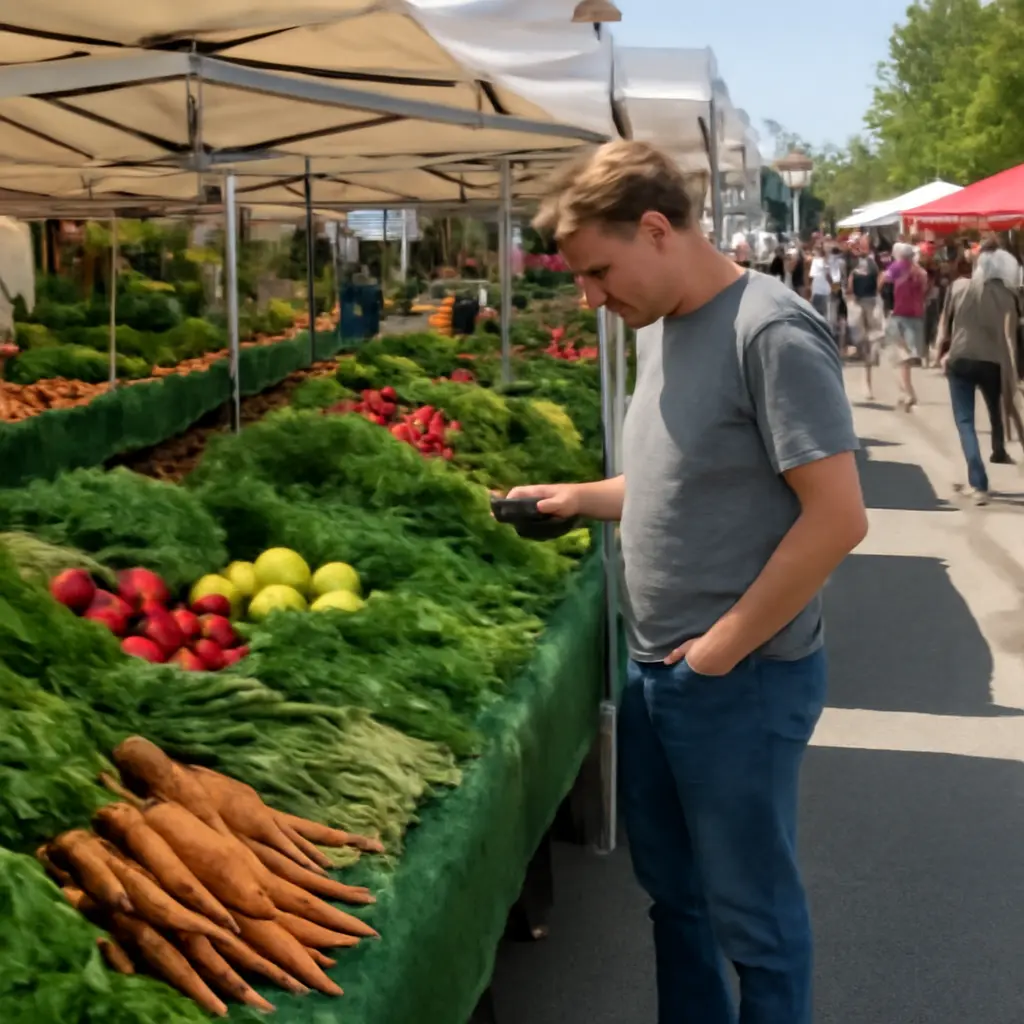
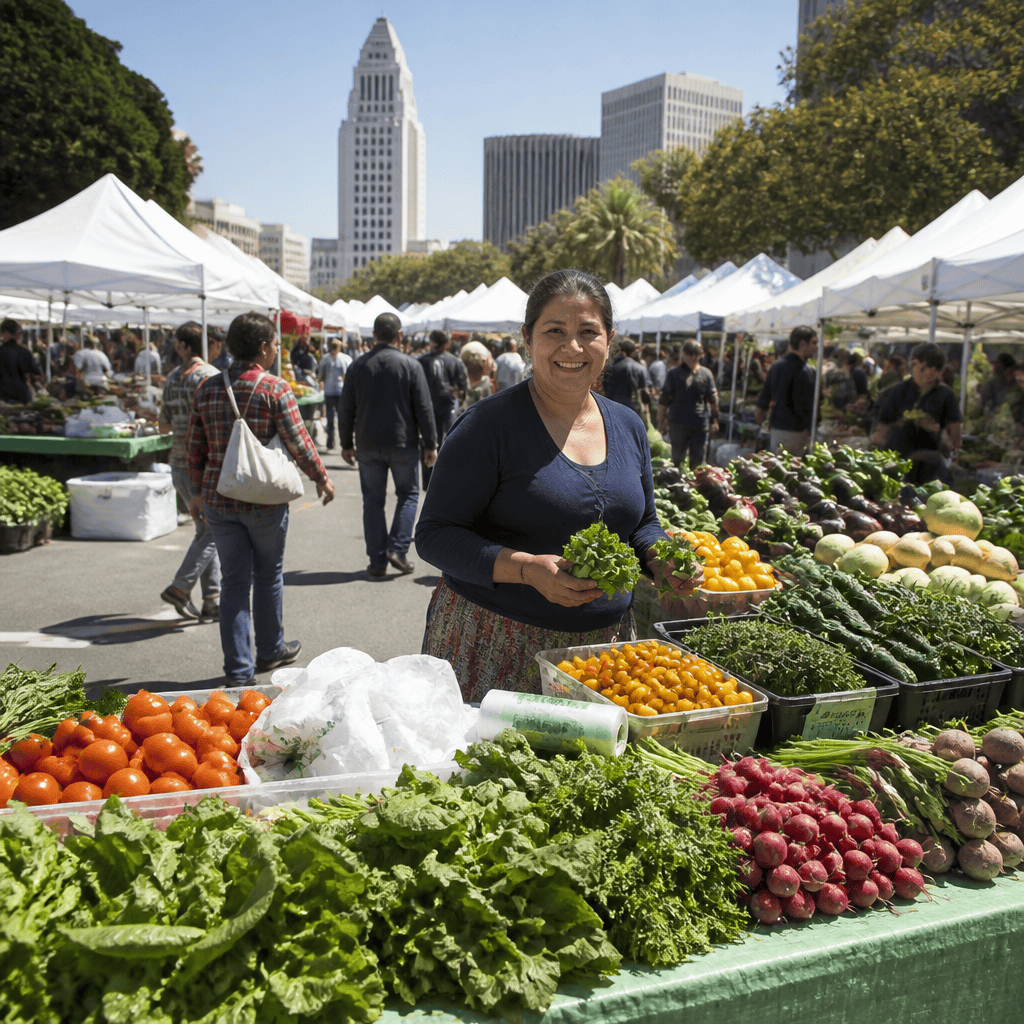
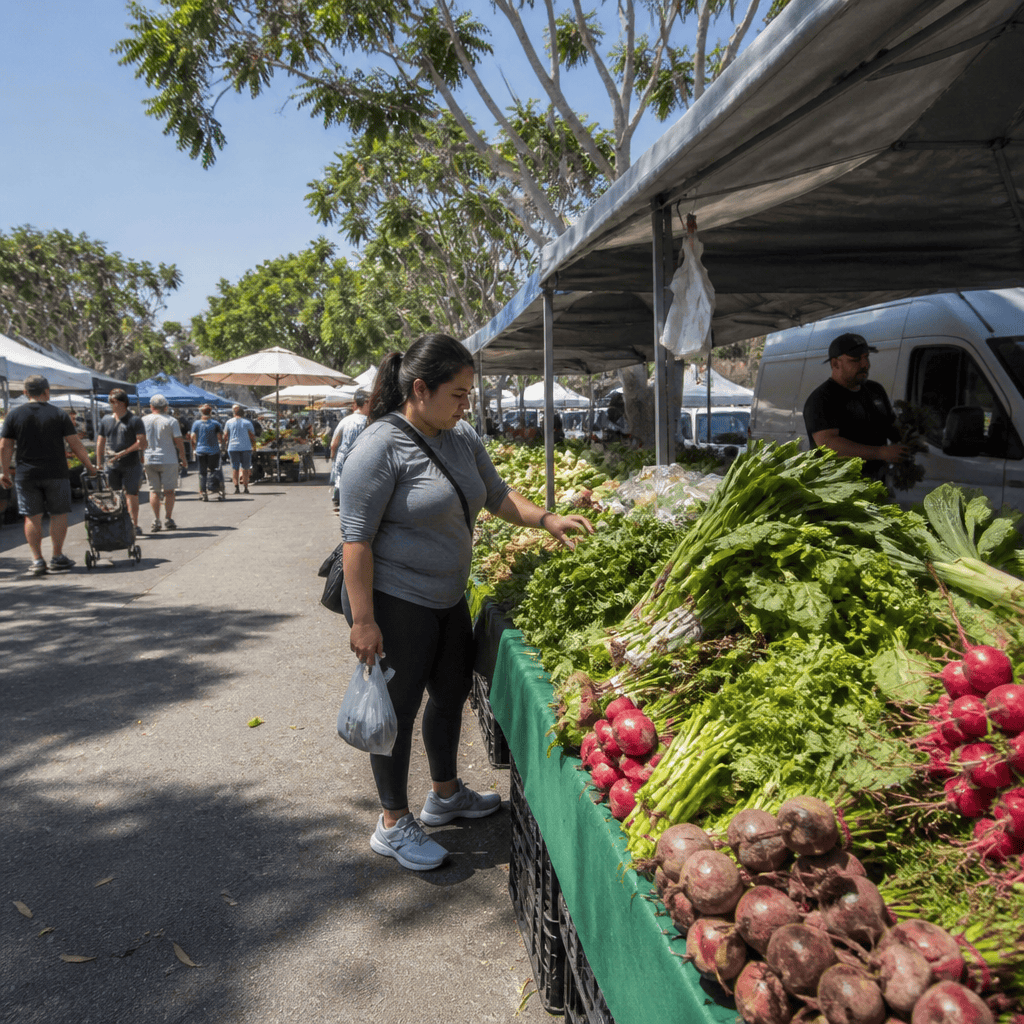
Direct-market shopping gives cooks a chance to ask growers what is at peak, what will keep, and how to prepare unfamiliar varieties. A practical weekly routine is to check market updates, choose two or three seasonal vegetables and one fruit, then plan meals around them. Ask about harvest dates and storage advice rather than relying only on appearance or a broad “local” label.
Community-supported agriculture
A CSA is a purchasing arrangement in which members pay a farm for a share of its harvest, often receiving a box of produce on a regular schedule. Because the box reflects current production, it can encourage variety and teach shoppers to cook with what is available. Before joining, check share size, pickup arrangements, substitutions, and whether the farm offers recipes or storage guidance. A smaller share or shared subscription may suit households that are new to seasonal cooking.
Flexible meal planning turns seasonal ingredients into balanced meals
Flexible meal planning is a method that organizes meals around ingredient categories and cooking techniques rather than requiring one exact crop. It is especially useful when harvest timing is unpredictable. The Dietary Guidelines for Americans recommend eating a variety of vegetables and fruits as part of a healthy dietary pattern; seasonal planning can support that variety, provided meals also include appropriate sources of protein, grains, and other needed nutrients.
Plan with ingredient groups and substitutions
Choose a meal structure—such as grain bowl, soup, salad, stir-fry, or sheet-pan dinner—and fill it with the best available produce. A recipe calling for spinach may work with chard or tender kale; a roasted-vegetable dish can accommodate carrots, beets, squash, or cauliflower depending on the season. Substitutions should account for texture and cooking time: sturdy roots need longer cooking than tender greens.
Create a weekly harvest-to-meal routine
A simple routine reduces waste and keeps planning manageable:
- Check a regional calendar and current market or farm updates.
- Choose a small set of produce that can appear in multiple meals.
- Plan recipes around perishability: use delicate greens and berries first, then longer-keeping roots and squash.
- Prepare one versatile component, such as roasted vegetables, washed greens, or cooked grains.
- Review leftovers and preserve only what can be safely stored and used.
This routine is adaptable: a household can keep favorite meals while changing the vegetables with the season. It also provides a clear bridge from shopping decisions to storage and food-safety practices.
Storage and preservation extend the harvest responsibly
Post-harvest handling includes storing, freezing, drying, fermenting, or canning produce so it remains usable beyond the day of purchase. The USDA and the National Center for Home Food Preservation provide guidance on safe handling and preservation. Methods are not interchangeable: tested recipes, correct acidity, processing times, and equipment are essential for safe home canning.
Match storage to the crop
Different produce has different needs. Refrigeration helps many berries and leafy vegetables keep, while some potatoes, onions, and winter squash are better stored in cool, dry, ventilated conditions. Keep produce in suitable packaging and avoid washing some items until just before use if excess moisture could speed spoilage. Follow food-safety advice for temperature control and discard produce showing signs of spoilage.
Preserve surplus with tested methods
Freezing, drying, and preserving can make a short harvest last longer. Freeze berries on a tray before packing them, blanch vegetables when recommended, and use tested canning instructions from trusted food-safety authorities. Preservation is most effective when planned before produce becomes overripe; it should complement regular meals rather than become a reason to buy more than the household can manage.
Seasonal planning works best when benefits and limits are considered
Seasonal shopping can support freshness, culinary diversity, and connections with regional producers, but its outcomes depend on context. A nearby crop grown with energy-intensive heating may not have the same environmental profile as an imported crop grown in favorable conditions. Likewise, local produce is not always less expensive, and access to markets varies by neighborhood, income, transportation, and work schedule.
A practical example: adapting a summer basket
Suppose a market basket contains tomatoes, zucchini, basil, and peaches. The tomatoes and basil can become a fresh sauce, while zucchini can be grilled for dinner and folded into a grain bowl the next day. Peaches can be eaten fresh or added to breakfast. If the basket instead contains late-season apples, cabbage, and squash, the same planning method shifts toward slaw, roasted vegetables, and fruit for snacks. The method stays constant while ingredients respond to the harvest.
Track value without assuming it
Compare prices by usable portion, not just by package price, and consider how long each item keeps. Buying a large quantity at a lower unit price is not economical if it spoils before use. A brief household record of purchase cost, meals prepared, and leftovers can reveal which seasonal purchases genuinely save money and which require smaller quantities or preservation.
Conclusion: regional harvest knowledge makes meal planning more adaptable
Seasonal produce mastery brings together regional harvest cycles, practical calendars, local sourcing, flexible meal structures, and safe storage. The central lesson is to use calendars as guides, verify availability with growers and markets, and adapt recipes to the produce actually at hand. Start with one local calendar, try a market or CSA if accessible, and build a weekly routine around a few versatile ingredients. For further guidance, consult your state cooperative extension, USDA seasonal produce resources, and the National Center for Home Food Preservation.
Sources: U.S. Department of Agriculture, Seasonal Produce Guide, https://snaped.fns.usda.gov/resources/nutrition-education-materials/seasonal-produce-guide; U.S. Department of Agriculture, FoodData Central, https://fdc.nal.usda.gov/; National Center for Appropriate Technology, Seasonal Food Guide, https://www.ncat.org/; U.S. Department of Agriculture, Agricultural Marketing Service, Farmers Market Directory, https://www.ams.usda.gov/local-food-directories/farmersmarkets; U.S. Department of Agriculture, National Agricultural Statistics Service, Census of Agriculture, https://www.nass.usda.gov/AgCensus/; U.S. Department of Agriculture and U.S. Department of Health and Human Services, Dietary Guidelines for Americans, 2020–2025, https://www.dietaryguidelines.gov/; National Center for Home Food Preservation, https://nchfp.uga.edu/