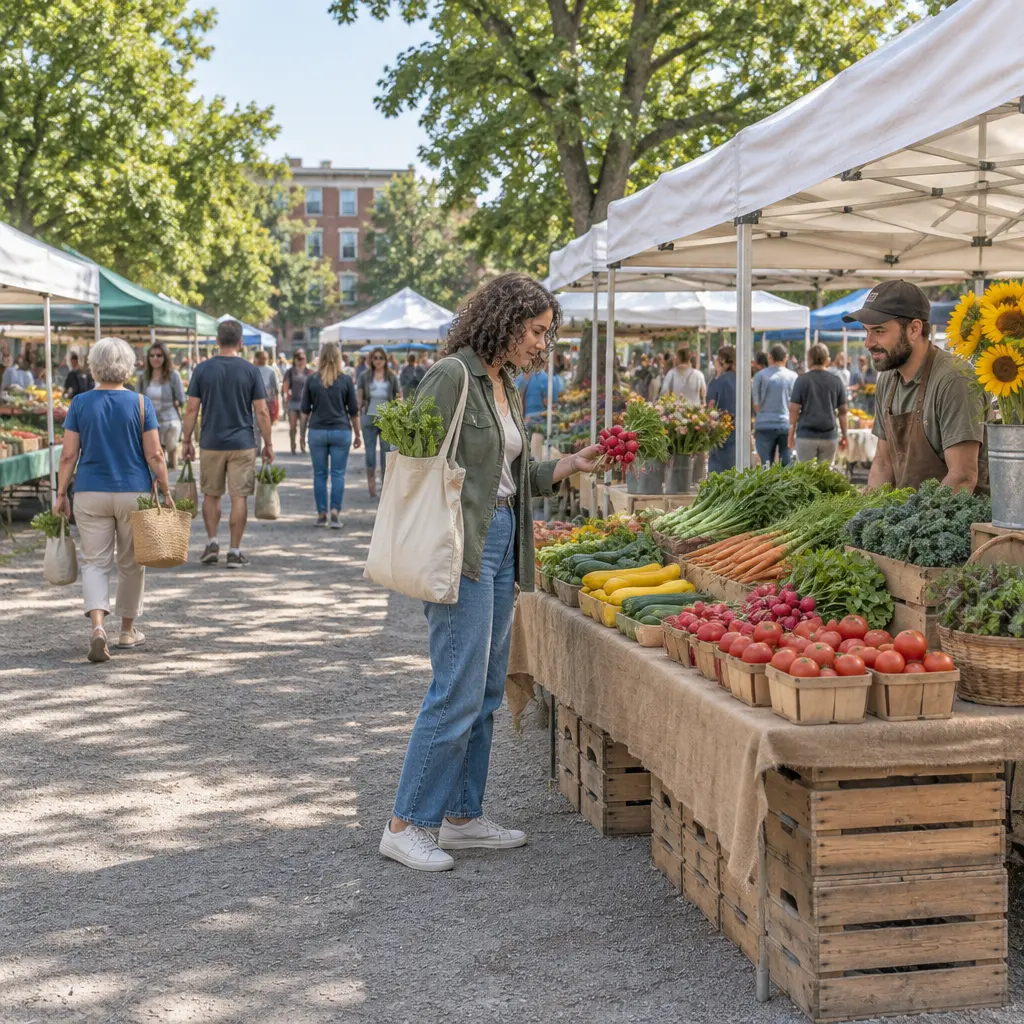
Market shopping strategy is the choice of when to visit a market to balance product selection, freshness, price, and the chance of a discount. Arriving early generally improves access to popular items and a fuller range; arriving late can create opportunities to negotiate or find markdowns on goods vendors would rather sell than carry away. Neither outcome is guaranteed: the best timing depends on the market, product, vendor, and closing routine. Evidence from food-waste research and retail-pricing practices helps explain the trade-off, while a simple plan—shop early for must-haves and late for flexible purchases—makes the choice practical.
Market Timing and the Selection–Discount Trade-Off
Market timing means choosing a shopping window based on how inventory and prices change over the trading day. The core trade-off is straightforward: inventory is usually most varied before demand has depleted it, while the possibility of a deal may rise as closing approaches. But open-air markets are not uniform stores with automatic end-of-day markdowns. Vendors may sell out, hold prices firm, donate or reuse leftovers, or close without surplus.
The U.S. Department of Agriculture’s Economic Research Service estimates that 30% to 40% of the U.S. food supply is lost or wasted at the retail and consumer levels combined. That national estimate underscores why managing surplus matters, but it does not mean a particular market stall will discount unsold stock. Shoppers should treat late-day bargains as a possibility to ask about, not a dependable pricing rule.
Early arrival: selection, quality, and first choice
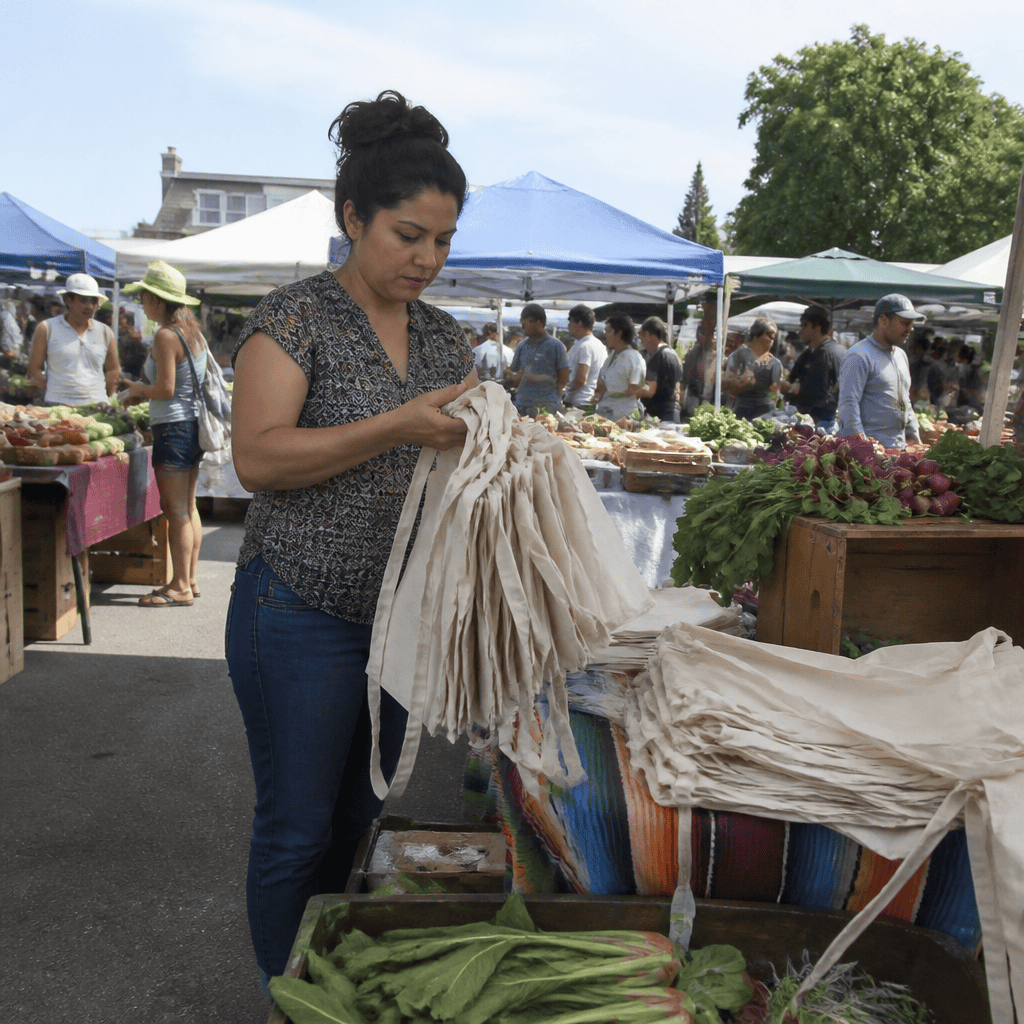
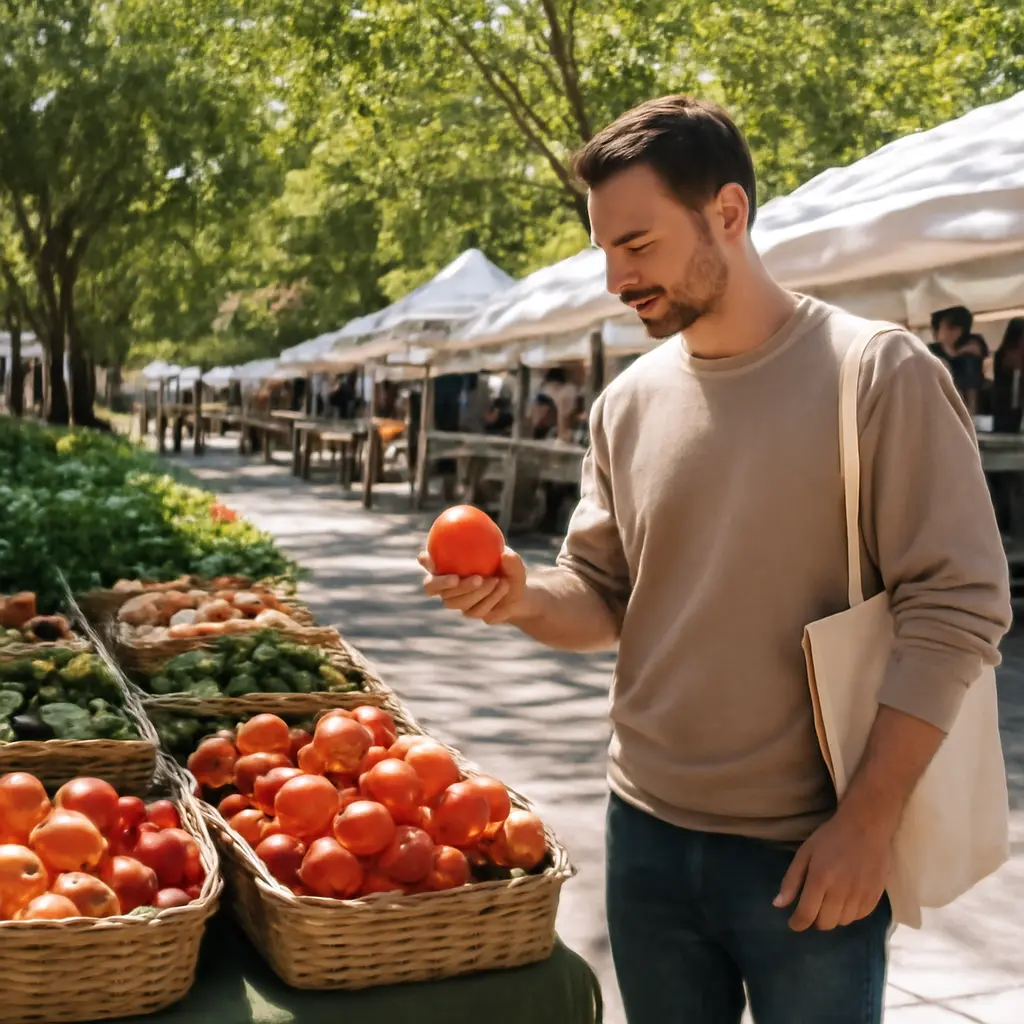
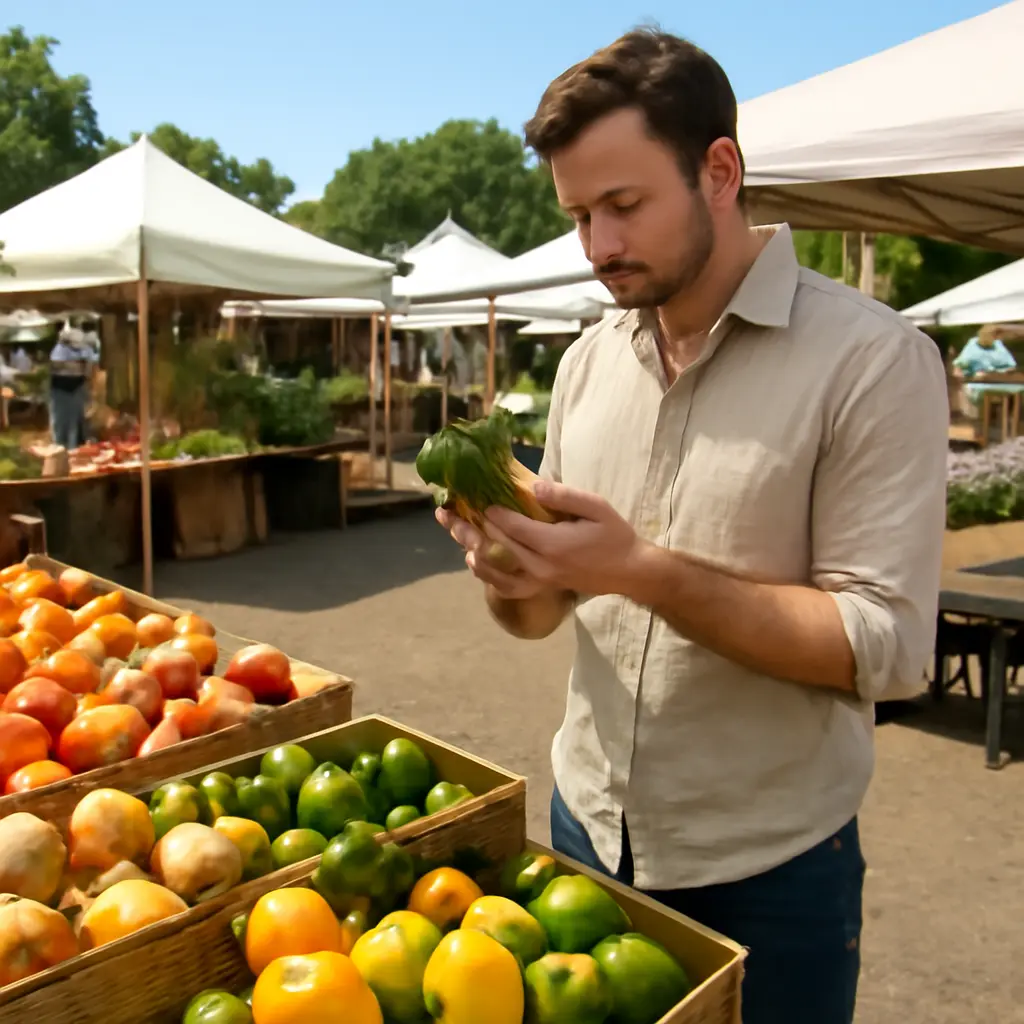
Arriving near opening is most useful when the shopping list includes specific varieties, sizes, colors, or quantities. Early shoppers can compare a fuller display, select delicate produce before it has been handled repeatedly, and secure popular items that may sell out. This is especially relevant at farmers markets, where products and quantities can vary with harvests and vendors may bring limited stock.
Early does not always mean the freshest possible item or the lowest price. Some vendors are still setting up, and product quality depends on harvesting, storage, and handling as well as the hour. The USDA’s guidance on farmers markets encourages shoppers to ask producers about growing and handling practices, which can be more informative than assuming that a particular arrival time guarantees quality.
Late arrival: potential markdowns and negotiation
Late shopping is most suitable for flexible shoppers who can accept substitutions, mixed quantities, or produce that is ripe and should be used soon. Some vendors may reduce prices on perishable goods or offer a bundle when they have more stock than they expect to sell. Others may keep prices unchanged, particularly if their products store well or they have established pricing policies.
A respectful question—such as “Are you offering any end-of-day bundles?”—is usually more effective than assuming a discount is owed. Ask about the contents and condition before buying, and compare the bundle’s price with what you would actually use. A low price is not a saving if part of the purchase spoils.
Product Type and Market Shopping Strategy
The best arrival time changes with the product’s scarcity, perishability, and personal importance. This is the practical meaning of product-specific market timing: choose early for limited, high-priority goods and consider later visits for abundant, flexible items. The distinction also helps shoppers avoid applying a produce bargain strategy to products that require careful storage, food-safety checks, or a particular size or cut.
Limited or sought-after items
Specialty produce, popular baked goods, seasonal varieties, and items from small-batch makers are strong candidates for an early visit. Their supply may be limited, and a late discount is irrelevant if the item has already sold out. If a particular product is essential, check the market’s schedule or ask the vendor about expected availability before making the trip.
Perishable and ready-to-use foods
Highly perishable foods can make a late visit attractive when vendors have surplus, but shoppers should inspect condition and plan prompt storage or use. The U.S. Food and Drug Administration advises consumers to refrigerate perishable foods promptly and keep a refrigerator at or below 40°F (4°C). A discount should not override safe handling: bring an insulated bag when appropriate, minimize travel time, and follow the vendor’s storage instructions.
Durable goods, crafts, and nonfood products
For crafts, household goods, and other durable products, closing time may offer little pricing advantage because unsold merchandise can be carried forward to another market. Early arrival is useful when selection matters, while late arrival may be worthwhile if a vendor is willing to negotiate on a display piece or bundle several items. Ask politely and accept a firm price without pressure.
A Practical Plan for Choosing When to Shop
A reliable strategy separates must-haves from flexible purchases rather than forcing the whole trip into one timing rule. Markets differ in foot traffic, vendor policies, weather, and supply, so a short plan helps shoppers adapt without relying on assumptions about universal discounts.
Use a split-visit or priority-list approach
When the market is accessible, buy scarce or specific items early and return later—or visit late only for flexible items and possible bundles. If a second visit is impractical, list purchases in two groups: “must buy” and “buy if available at a good value.” This keeps a hoped-for markdown from jeopardizing the essential part of the trip.
Compare value, not just the sticker price
Value includes usable quantity, quality, storage life, and the likelihood that the purchase will be eaten or used. Before accepting a deal, check the unit price when possible, estimate how much is usable, and consider whether the food can be preserved. The USDA’s food-waste guidance encourages planning meals and storing foods appropriately—habits that make a larger market purchase more likely to be economical rather than wasteful.
Check local conditions and vendor practices
Market websites, social-media announcements, and vendor messages can clarify opening hours, seasonal availability, payment options, and whether preorders are accepted. Ask vendors directly about typical sellout times and end-of-day policies. A brief conversation can provide better local evidence than a general rule about arriving early or late.
The following decision guide summarizes the trade-off:
- Choose early when a specific item, variety, or quantity is essential.
- Choose late when the list is flexible and a potential bundle would be useful.
- Shop earlier for foods that need careful selection or are known to sell quickly.
- For perishable bargains, buy only what can be safely stored and used.
- Ask about discounts rather than assuming vendors mark down remaining stock.
Conclusion: Match Market Timing to the Purchase
Market shopping strategy is a balance between early access to selection and the possibility of late-day discounts. Early arrival is the stronger choice for limited or must-have products; late arrival can suit flexible shoppers looking for surplus bundles, provided the vendor actually offers them and the goods can be used safely. Product type, local market practices, and household plans should guide the decision.
For your next visit, identify essential purchases, check local vendor information, and ask about end-of-day offers without counting on them. Track what sells out and when discounts occur over several visits; that firsthand record will help you build a strategy suited to your market rather than relying on a one-size-fits-all rule.
Sources: U.S. Department of Agriculture, Economic Research Service, Food Loss and Waste, https://www.ers.usda.gov/data-products/ag-and-food-statistics-charting-the-essentials/food-loss-and-waste/; U.S. Department of Agriculture, Farmers Market Directory and Farmers Market Shopping Guidance, https://www.usdalocalfoodportal.com/; U.S. Department of Agriculture, Food Waste, https://www.usda.gov/foodlossandwaste; U.S. Food and Drug Administration, Are You Storing Food Safely?, https://www.fda.gov/consumers/consumer-updates/are-you-storing-food-safely