Local meat sourcing means buying meat from nearby farms, ranches, or processors, but proximity alone does not verify how animals were raised. To assess welfare beyond a “free-range” label, buyers can ask how a claim is defined, seek records and independent audits, and examine practices throughout an animal’s life—from breeding and transport to slaughter. This matters because the USDA’s “free range” rules for poultry focus on access to the outdoors, while the label does not by itself establish details such as outdoor space, pasture quality, or veterinary care. A practical review therefore combines farm questions, credible certification, traceability, and clear-eyed attention to what each label actually covers.
Animal welfare claims define what local meat labels can—and cannot—verify
Animal welfare is commonly understood as an animal’s physical and mental state in relation to the conditions in which it lives and dies. The World Organisation for Animal Health (WOAH) describes welfare in terms of how an animal is coping with the conditions in which it lives; its guidance considers health, comfort, nutrition, safety, behavior, and freedom from distress. Applied to local meat, that broad definition is more useful than treating “local,” “humane,” or “free-range” as complete welfare guarantees.
The terms attached to meat vary in meaning and oversight. “Local” describes a geographic relationship, not a husbandry standard. “Free range” and “pasture raised” describe aspects of access or production, but their requirements depend on the animal species, label rules, and certifier. Third-party programs may add defined criteria and inspections, although their standards differ in scope and rigor.
Free-range and pasture-raised claims
A free-range claim should be read as a specific production statement, not a summary of an animal’s entire life. For poultry, the U.S. Department of Agriculture (USDA) defines “free range” around access to the outdoors. That wording alone does not tell a shopper how often birds went outside, how much usable space they had, whether the area was covered with vegetation, or how the farm managed disease and injuries. Requirements and label treatment can differ for other species, so ask which standard applies to the meat being sold.
“Pasture raised” generally signals that animals spent time on pasture, but the phrase is not a universal, independently verified welfare standard. Ask whether animals had continuous or seasonal access, how pasture was managed, and what happened during harsh weather or periods when forage was unavailable. For poultry, specifically ask whether outdoor access is supported by records, a certification, or a farm’s written protocol.
Local origin and farm identity
Local sourcing can make it easier to identify a producer and ask direct questions, but geographic closeness is not evidence of better welfare. The USDA’s Food Safety and Inspection Service (FSIS) regulates meat inspection and labeling; a product’s local origin does not replace applicable inspection requirements or establish how animals were housed. Find out where the animal was raised, where it was processed, and whether the seller can connect the package to a named farm or batch.
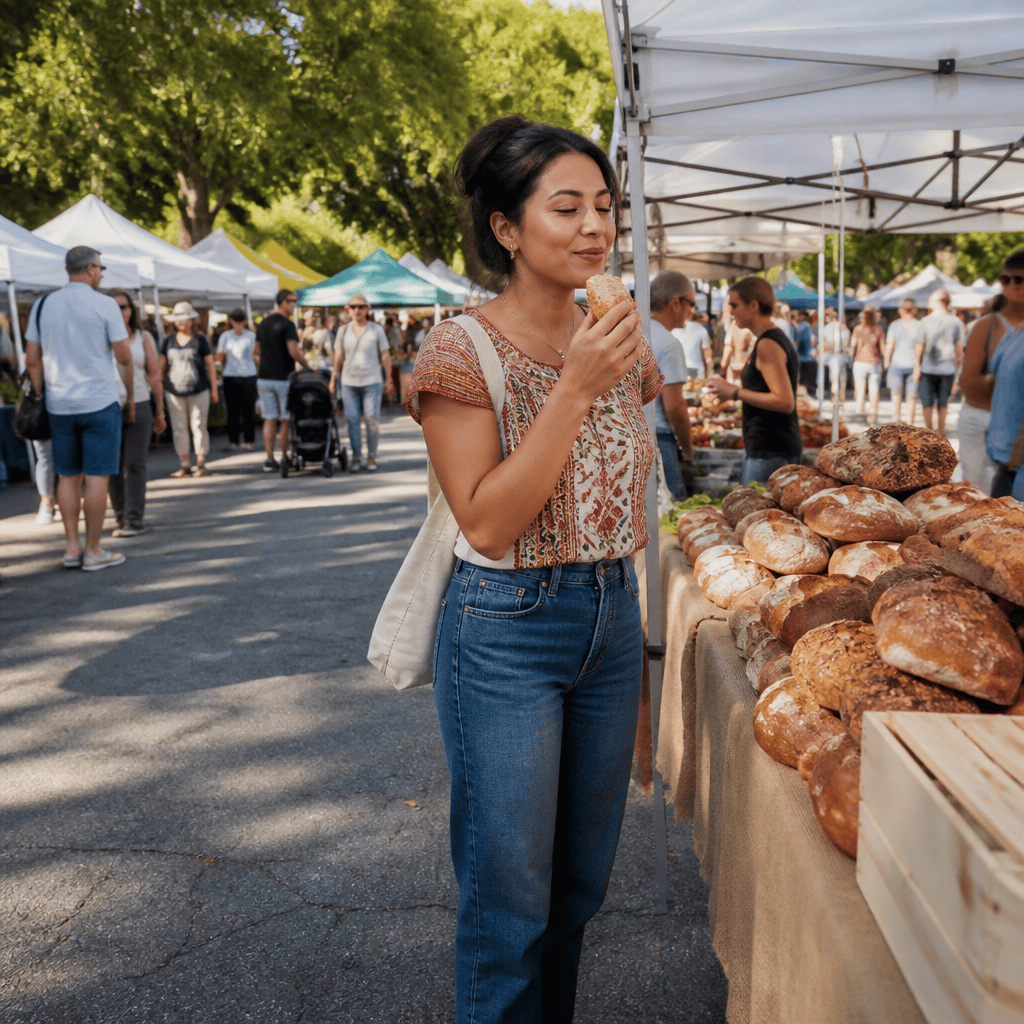
This distinction is especially useful at farmers markets and butcher shops, where the seller may be able to explain the supply chain. A farm name, processor name, species, production method, and slaughter or processing location offer more useful traceability than an unqualified “local and humane” slogan.
Verification methods turn welfare promises into checkable evidence
Verification is the process of checking a claim against evidence, such as written standards, farm records, inspections, or independent audits. For animal welfare, the strongest assessment does not depend on a single marketing phrase. It asks whether the standard is public, whether the farm is inspected, what the inspection covers, and whether the results can be linked to the meat being sold.
Third-party certification and audit scope
Third-party certifications can make comparisons easier when they publish clear requirements and use independent assessments. Examples in the United States include Animal Welfare Approved by A Greener World, Certified Humane, and Global Animal Partnership’s animal-welfare ratings. Their standards are not interchangeable: each program sets its own criteria, species coverage, auditing approach, and rules for labeling. Before relying on a seal, read the current standard and check whether the specific farm or product is listed as certified.
Ask what an audit verifies. A program may assess housing, outdoor access, handling, transport, or slaughter—or only some of these. An audit can be more informative when it includes on-farm visits, documented corrective actions, and periodic reassessment. Certification is evidence of meeting a defined program standard; it is not proof that every animal experienced ideal conditions at every moment.
Farm records, traceability, and direct questions
Traceability links a product to information about its origin and handling. A small producer may document animal purchases, pasture rotations, veterinary treatment, transport, and processing even without a consumer-facing certification. Buyers can ask whether the seller can identify the farm, explain how records are kept, and clarify whether the meat comes from the farm’s own animals or from multiple suppliers.
- Which species-specific welfare standard do you use, and can I see it?
- How much indoor and outdoor space do animals have, and how is access managed?
- What veterinary care is available, and how are illness, injury, and medication recorded?
- How are animals handled during loading and transport, and how long is the journey?
- Where are animals slaughtered, and what handling safeguards apply there?
- Is the farm independently audited? Who conducts the audit, how often, and what does it cover?
Specific, consistent answers are more useful than broad assurances. A producer who explains limits—such as seasonal outdoor access or a particular processing arrangement—may be offering more verifiable information than one who relies only on the word “humane.”
Whole-life welfare checks cover housing, health, transport, and slaughter
Animal welfare is a whole-life issue: good pasture access cannot, on its own, answer questions about pain, illness, handling, transport, or slaughter. WOAH’s animal-welfare frameworks treat welfare as a broad set of conditions and outcomes. For a buyer, that means checking more than the most visible feature on a label.
Housing, behavior, and outdoor access
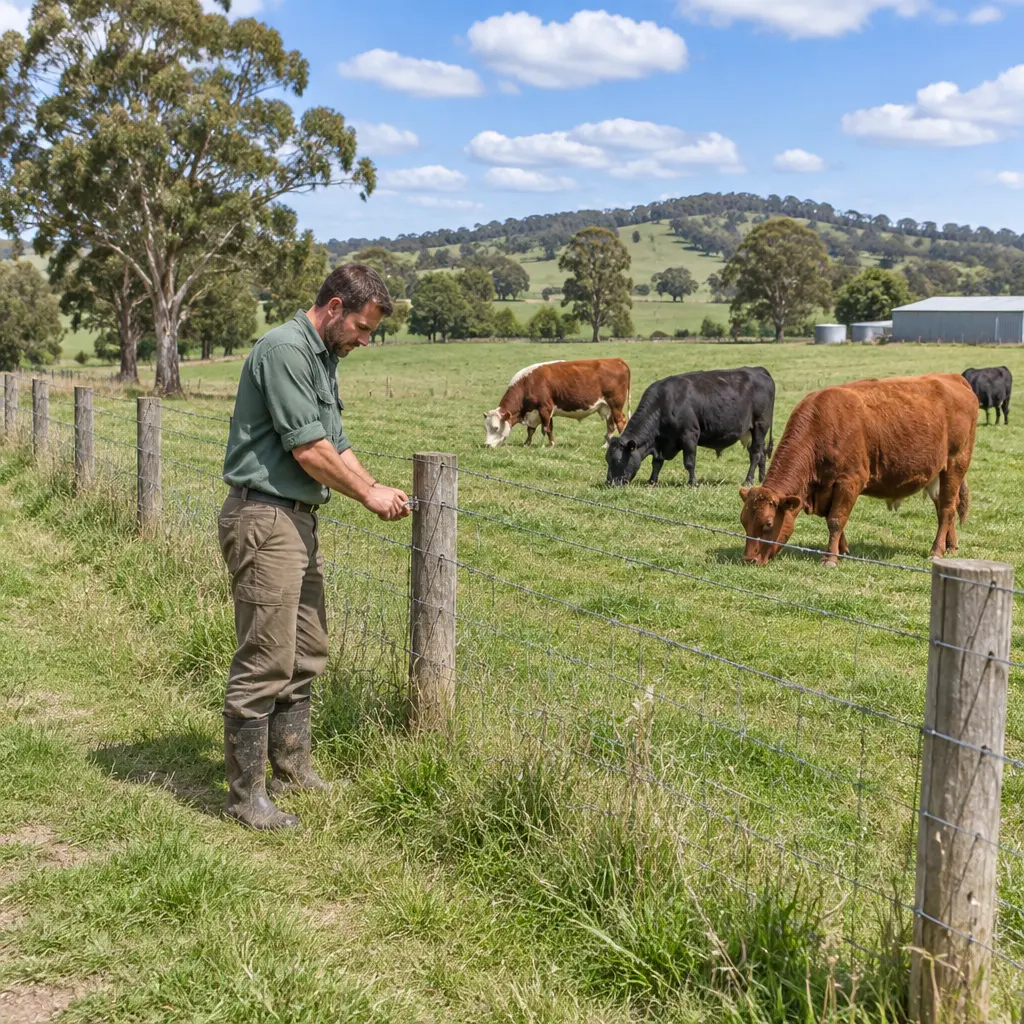
Housing affects whether animals can rest, move, maintain social contact, and express important species-typical behavior. Useful questions include whether animals have dry bedding, shade, ventilation, clean water, and protection from extreme weather. For animals marketed as pasture raised, ask how pasture quality is maintained and whether animals can reach shelter and water.
A claim should also fit the species. Outdoor access for chickens is not the same as pasture management for cattle, sheep, or pigs. Look for details about stocking density, enclosure design, predator protection, and how the farm handles muddy or degraded ground. These details help distinguish meaningful access from a nominal opening to the outdoors.
Veterinary care and routine procedures
Health evidence includes how a farm prevents, detects, and treats disease or injury. Ask whether animals receive prompt veterinary attention, how pain is managed, and what routine procedures are performed. Practices vary by species and production system, so a useful answer explains the procedure, its purpose, the age at which it occurs, and whether pain relief is used when appropriate.
Antibiotic claims also need careful interpretation. “Raised without antibiotics” describes a drug-use claim; it does not independently show that animals had good housing, low stress, or adequate treatment when sick. Ask how the producer balances responsible medicine with prevention and what happens if an animal needs treatment.
Transport and slaughter handling
Transport and slaughter are important parts of welfare that farm-level labels may not explain. Buyers can ask how animals are loaded, whether staff are trained in low-stress handling, how journey time is monitored, and what arrangements are made for animals that are sick or unfit to travel. At the processing stage, ask whether the facility follows applicable inspection rules and what procedures it uses to reduce avoidable distress.
A nearby farm does not necessarily mean a short journey to slaughter: the farm and processor may be in different places. Traceability that includes the processor helps buyers assess this part of the chain rather than assuming local production covers it.
A practical buying framework compares claims with evidence
A simple comparison can help shoppers make decisions without treating any one label as decisive. The most useful approach is to record the claim, its definition, the evidence offered, and any important gaps. The table below is a guide to questions, not a ranking of farms.
| Claim or evidence | What it may establish | What to verify |
|---|---|---|
| Local | A geographic connection or nearby supply chain | Where the animal was raised and processed; whether the farm is identified |
| Free range | A defined outdoor-access claim, depending on species and applicable rules | Access frequency, usable space, duration, and the standard behind the claim |
| Pasture raised | Time spent on pasture under the seller’s or certifier’s definition | Seasonality, pasture management, shelter, and independent verification |
| Third-party welfare certification | Compliance with a named program’s published requirements | Species covered, audit frequency, transport and slaughter criteria, and current certification status |
| Farm records and traceability | Documented information connecting animals, farm, and product | What records exist, who maintains them, and whether the package can be traced to a batch |
For example, a shopper comparing two local poultry products might find that one carries a free-range claim and the other names a third-party certification. The first claim can indicate outdoor access under the applicable definition; the certification may provide a broader, published set of requirements. The buyer should still check which standards apply, what each audit covers, and whether transport and slaughter are included. This kind of comparison avoids assuming that the longer label or the closer farm automatically represents better welfare.
Conclusion: local meat welfare decisions depend on transparent proof
Local sourcing can make producers easier to identify, but it does not itself verify animal welfare. “Free range,” “pasture raised,” and “humane” are useful only when shoppers understand their definitions and limits. Stronger assessment combines clear species-specific standards, credible audits, farm records, traceability, and questions about housing, veterinary care, transport, and slaughter.
Before buying, ask the seller to name the farm and standard, explain how compliance is checked, and identify what the claim does not cover. Compare answers across products, consult the certifier’s current requirements, and favor suppliers willing to provide specific evidence. That approach supports informed purchasing while encouraging greater transparency throughout local meat supply chains.
Sources: World Organisation for Animal Health, Terrestrial Animal Health Code, Chapter 7.1, Introduction to the recommendations for animal welfare, https://www.woah.org/en/what-we-do/standards/codes-and-manuals/terrestrial-code-online-access/; U.S. Department of Agriculture, Food Safety and Inspection Service, Meat and Poultry Labeling Terms, https://www.fsis.usda.gov/food-safety/safe-food-handling-and-preparation/food-safety-basics/meat-and-poultry-labeling-terms; U.S. Department of Agriculture, Agricultural Marketing Service, Meat and Poultry Labeling, https://www.ams.usda.gov/rules-regulations/organic/labeling; A Greener World, Animal Welfare Approved Standards, https://agreenerworld.org/certifications/animal-welfare-approved/; Certified Humane, Animal Care Standards, https://certifiedhumane.org/how-we-work/our-standards/; Global Animal Partnership, 5-Step Animal Welfare Rating Program, https://globalanimalpartnership.org/5-step-animal-welfare-rating-program/.